Old Testament
Exodus 19:13
Read the Bible in clear, modern English—easy to understand, faithful to the meaning, and written for everyday readers.
No hand shall touch it, but the person shall surely be stoned or shot through; whether it is a beast or a man, it shall not live. When the trumpet sounds a long blast, they shall come up to the mountain.
Compare translations
There shall not an hand touch it, but he shall surely be stoned, or shot through; whether it be beast or man, it shall not live: when the trumpet soundeth long, they shall come up to the mount.
What Exodus 19:13 means
Plain-English insight for readers
In this passage, God sets clear boundaries around Mount Sinai, emphasizing the seriousness of His presence. No one is allowed to touch the mountain, as doing so would result in death, whether it’s a person or an animal. This illustrates the holiness of God and the need for respect and caution when approaching Him. The long blast of the trumpet signals that it’s time for the people to approach the mountain, but only after the warning has been given. This moment is significant as it marks the preparation for receiving God’s laws. The strict rules highlight the importance of understanding God’s power and the need for reverence. It’s a reminder that God is not to be taken lightly, and His commands are to be followed with utmost seriousness. The passage invites us to reflect on how we approach God in our lives, ensuring we do so with respect and awareness of His greatness. It’s a call to recognize the sacredness of our relationship with Him and the importance of obedience.
How to apply Exodus 19:13 to your life
When we think about our relationship with God, we should approach Him with respect and seriousness. This means taking time to understand His teachings and applying them in our lives. Just as the Israelites were called to prepare themselves, we too should prepare our hearts for meaningful encounters with God. Reflect on how you honor this relationship daily. Seek to deepen your understanding of His ways and commands in your life.
Curated for this public verse page. Exodus Summary
Learn the Bible through its people and places
Get to know the people in Scripture through illustrated stories, and explore the places where they lived and traveled.

Illustrated scene from Moses's story: God Comes Down on Mount Sinai (Exodus 19:1–25)
Meet the people of the Bible
Follow their lives in order, with illustrated scenes and Bible passages that tell their stories.
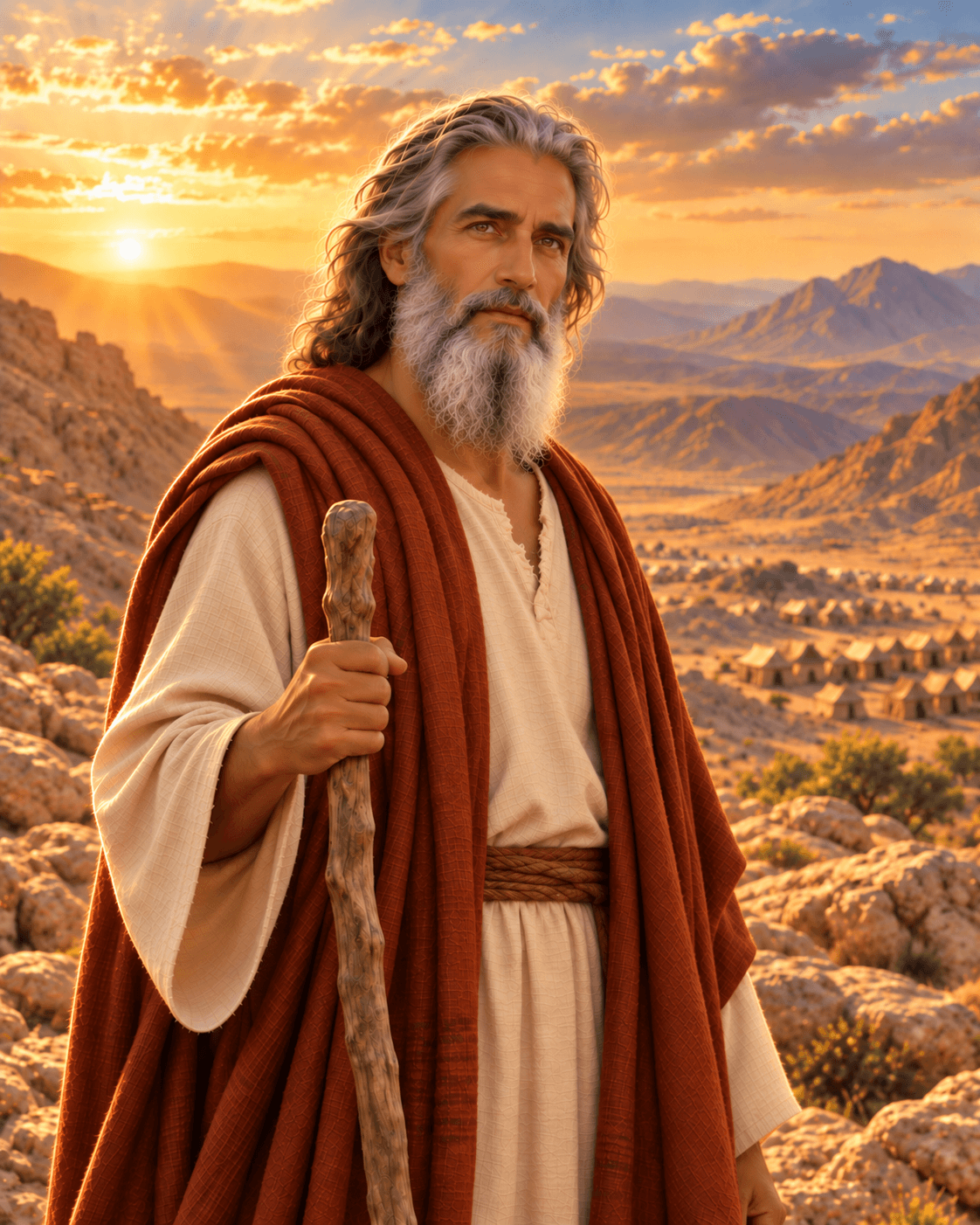 Moses
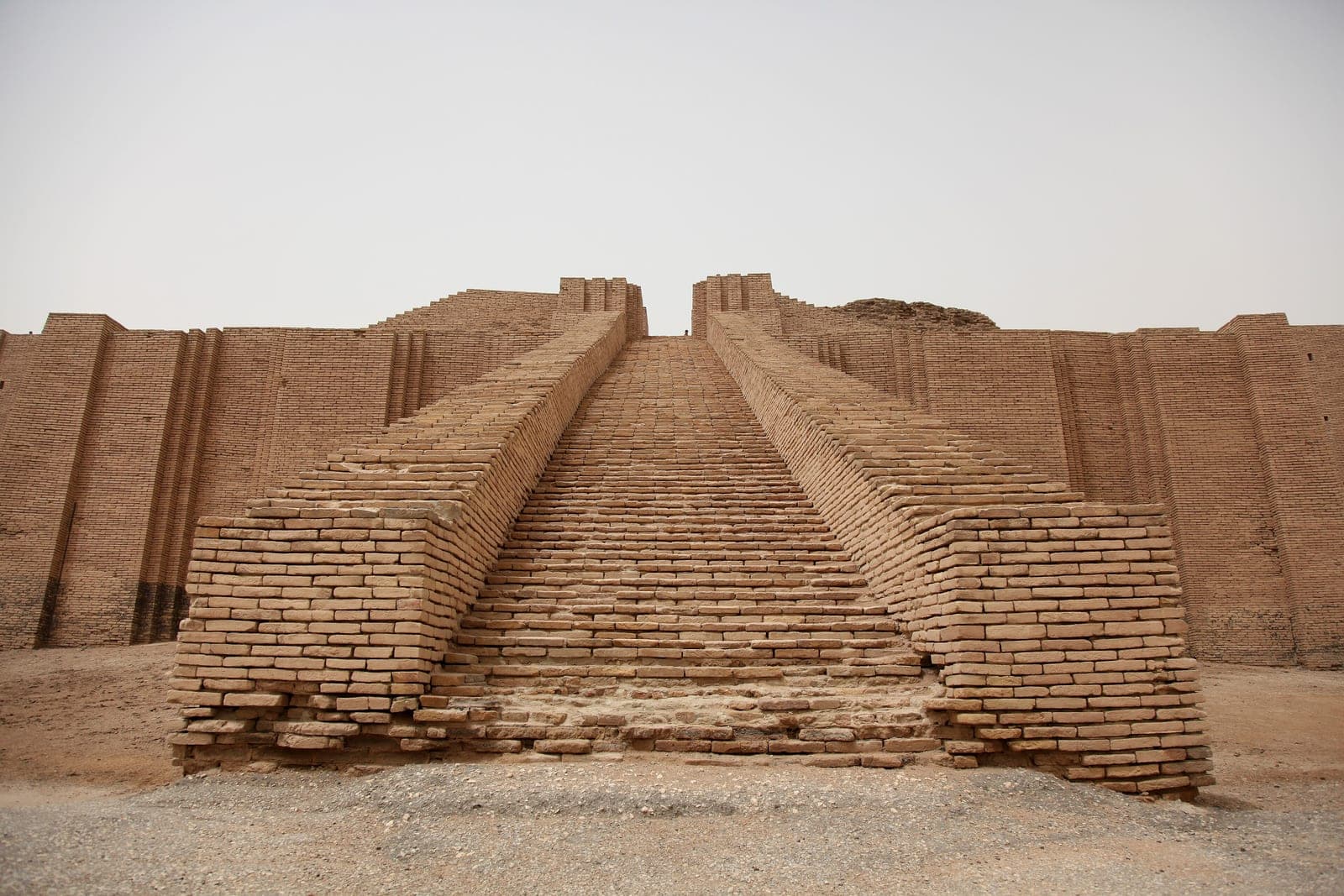
Photo: U.S. Army photo by Spc. Samantha R. Ciaramitaro, via DVIDS and Wikimedia Commons. License: Public domain in the United States — U.S. federal-government work. Source. Location: Great Ziggurat, Ur Archaeological City (Tell el-Mukayyar), Dhi Qar Governorate, Iraq. Resized for the web.
Explore the places of the Bible
See where biblical events happened, why each place matters, and what archaeology helps us understand.
Ur
The city Abram's family left to travel toward Canaan.
Get full access with one subscription
Explore the people and places of the Bible. Read summaries of every book, with images and clear explanations covering every chapter. Access all these features and our Bible study tools with one subscription.
See PlansAsk AI about Exodus 19:13
Ask a question about this verse and get a clear answer, with Bible references you can read for yourself.
Every Bible book, explained chapter by chapter
Explore summaries of every book of the Bible, with images and easy-to-understand explanations covering every chapter.
Keep studying Exodus 19:13
Related Bible verses
Key themes
Related topics
At a Glance — the Book of Exodus
- Author
- Traditionally attributed to Moses
- Written
- Around 1400 BC
- Genre
- Law (Pentateuch)
- Original Audience
- The Israelites in the wilderness
Frequently Asked Questions
Quick, clear answers about this verse
What does Exodus 19:13 mean?
Exodus 19:13 means that God established strict boundaries around Mount Sinai to emphasize His holiness. Anyone or anything that touched the mountain would face death, highlighting the seriousness of approaching God.
What is the significance of the trumpet in Exodus 19:13?
The trumpet in Exodus 19:13 signals the moment when the people are allowed to approach the mountain. It serves as a call to prepare for an encounter with God, marking the transition from warning to action.
Why were people not allowed to touch the mountain in Exodus 19:13?
People were not allowed to touch the mountain in Exodus 19:13 because it represented God's holy presence. Touching it would result in death, illustrating the need for reverence and respect when approaching God.
What does the phrase 'he shall surely be stoned' mean in Exodus 19:13?
The phrase 'he shall surely be stoned' in Exodus 19:13 indicates the severe consequences for disobeying God's command regarding the mountain. It underscores the seriousness of God's laws and the importance of obedience.
Daily Verse — straight to your inbox
A verse and a 2-sentence plain-English explanation, every morning. Free. Unsubscribe anytime.