Old Testament
Ezra 3:6
Read the Bible in clear, modern English—easy to understand, faithful to the meaning, and written for everyday readers.
They started offering burnt offerings to the LORD on the 1st day of the 7th month, even though the foundation of the LORD's temple had not yet been laid.
Compare translations
From the first day of the seventh month began they to offer burnt offerings unto the LORD. But the foundation of the temple of the LORD was not yet laid.
What Ezra 3:6 means
Plain-English insight for readers
In this moment, the people began to reconnect with their faith by offering burnt offerings to God. They chose to worship Him on the first day of the seventh month, a significant time for them. Even though they had not yet laid the foundation of the temple, their commitment to God was evident. This act of worship showed their desire to honor God despite the unfinished work around them. It highlights the importance of faith and dedication, even when circumstances are not ideal. Their actions remind us that worship can happen anywhere, and it is our hearts that matter most. They were taking a step forward in their spiritual journey, showing that they valued their relationship with God above all else. This moment marked a new beginning for them, as they sought to rebuild not just a physical structure, but their connection with the divine. Their faith was alive and active, setting the stage for what was to come next in their lives and community. It was a powerful declaration of hope and trust in God.
How to apply Ezra 3:6 to your life
We can learn from this moment that worship is not limited to perfect circumstances. Even when things feel incomplete or uncertain, we can still reach out to God. Our dedication to Him can shine through our actions, no matter our situation. Let’s prioritize our relationship with God in our daily lives, just as they did in their time of rebuilding. Every small step counts in our spiritual journey toward growth and connection with the divine.
Curated for this public verse page. Ezra Summary
Explore more of the Bible
Learn the Bible through its people and places
Get to know the people in Scripture through illustrated stories, and explore the places where they lived and traveled.

Illustrated scene from David's story: Samuel Anoints David (1 Samuel 16:1–13)
Meet the people of the Bible
Follow their lives in order, with illustrated scenes and Bible passages that tell their stories.
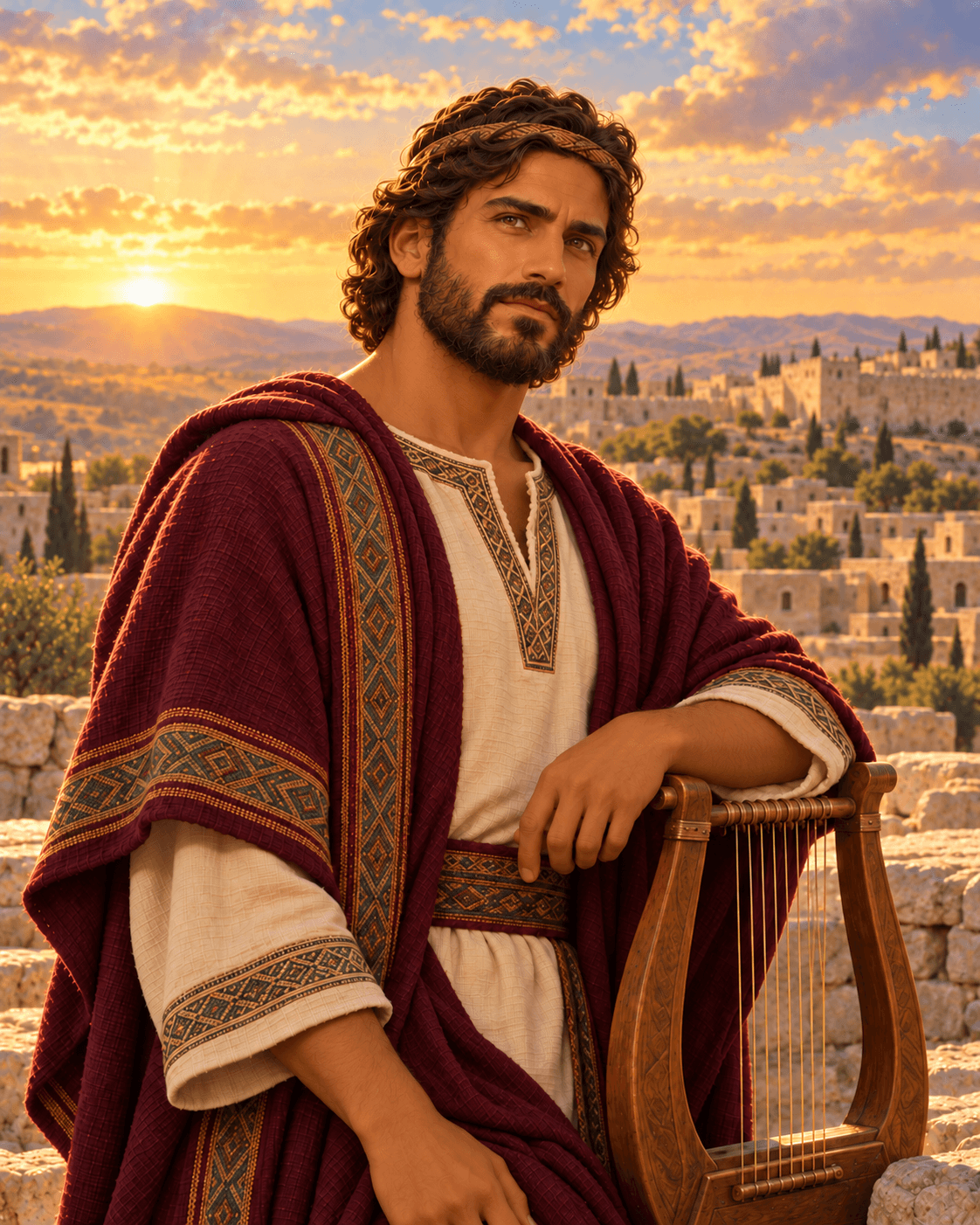 David
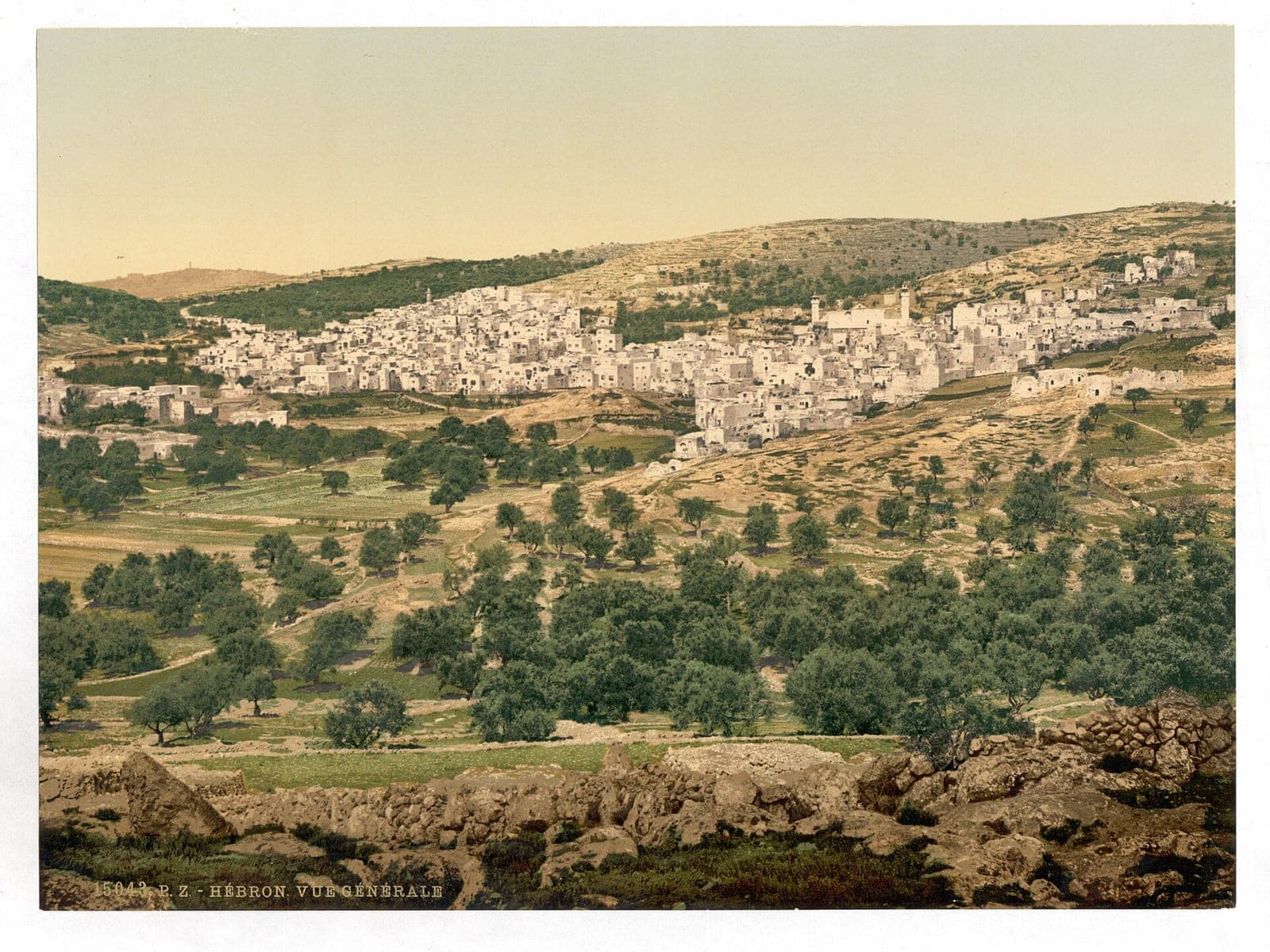
Photo: Photochrom print, Library of Congress Prints and Photographs Division (LCCN 2002724987). License: Public domain in the United States; Library of Congress states no known restrictions on publication. Source. Location: Hebron, West Bank; print preserved by the Library of Congress. Resized for the web.
Explore the places of the Bible
See where biblical events happened, why each place matters, and what archaeology helps us understand.
Hebron
Where Abraham lived and buried Sarah, and where David was first made king.
Get full access with one subscription
Explore the people and places of the Bible. Read summaries of every book, with images and clear explanations covering every chapter. Access all these features and our Bible study tools with one subscription.
See PlansAsk AI about Ezra 3:6
Ask a question about this verse and get a clear answer, with Bible references you can read for yourself.
Every Bible book, explained chapter by chapter
Explore summaries of every book of the Bible, with images and easy-to-understand explanations covering every chapter.
Keep studying Ezra 3:6
Related Bible verses
Related topics
At a Glance — the Book of Ezra
- Author
- Ezra the priest and scribe
- Written
- Around 440 BC
- Genre
- Historical narrative
- Original Audience
- Returning Jewish exiles
Frequently Asked Questions
Quick, clear answers about this verse
What does Ezra 3:6 teach us about worship?
Ezra 3:6 highlights that worship can occur even in imperfect circumstances. The people began offering burnt offerings to God despite the temple's foundation being unlaid, showing that their commitment to worship was not dependent on physical structures but on their hearts and faith. This teaches us that we can connect with God through worship regardless of our situation.
Why is the first day of the seventh month significant?
The first day of the seventh month is significant in the Jewish calendar as it marks the Feast of Trumpets, a time of spiritual renewal and reflection. By choosing this day to offer burnt offerings, the people were aligning their worship with a meaningful time in their religious tradition, emphasizing their desire to reconnect with God and their community.
What can we learn about faith from Ezra 3:6?
Ezra 3:6 illustrates that faith often requires action even when circumstances are not ideal. The people demonstrated their faith by worshiping God and offering sacrifices before the temple was completed. This teaches us that our faith should be active and expressed through our actions, regardless of the challenges we face.
How does Ezra 3:6 relate to community worship?
Ezra 3:6 reflects the importance of community in worship. The collective act of offering burnt offerings signifies unity among the people as they sought to honor God together. This reminds us that worship is often a communal experience, strengthening bonds within a community as they collectively express their faith and commitment to God.
Daily Verse — straight to your inbox
A verse and a 2-sentence plain-English explanation, every morning. Free. Unsubscribe anytime.