Old Testament
Genesis 15:13
Read the Bible in clear, modern English—easy to understand, faithful to the meaning, and written for everyday readers.
Then the LORD told Abram, "Know for certain that your descendants will be foreigners in a country that does not belong to them. They will be enslaved and oppressed for four hundred years.
Compare translations
And he said unto Abram, Know of a surety that thy seed shall be a stranger in a land that is not theirs, and shall serve them; and they shall afflict them four hundred years;
What Genesis 15:13 means
Plain-English insight for readers
In this passage, God speaks to Abram, assuring him of a future that includes both challenges and hope. He reveals that Abram's descendants will live in a foreign land, where they will face hardship and oppression for four hundred years. This message is significant because it highlights the struggles that will come, yet it also emphasizes God's awareness and control over the situation. Despite the suffering, there is an underlying promise of eventual deliverance and fulfillment of God's covenant with Abram. This moment serves as a reminder that even in difficult times, there is a greater plan at work. Abram is encouraged to trust in God's promises, knowing that his descendants will ultimately be freed and blessed. This assurance is not just for Abram but extends to all who face trials, reminding us that our struggles can lead to greater purposes in life. Understanding this can help us navigate our own challenges with faith and resilience, knowing that we are part of a larger story.
How to apply Genesis 15:13 to your life
When facing difficulties, remember that challenges can lead to growth and purpose. Trust in the bigger picture, even when the path seems unclear. Just as Abram was assured of a future, we too can find hope in our struggles, knowing they can lead to something greater. Stay resilient and keep faith alive in tough times.
Curated for this public verse page. Genesis Summary
Learn the Bible through its people and places
Get to know the people in Scripture through illustrated stories, and explore the places where they lived and traveled.

Illustrated scene from Abraham's story: The Covenant Sealed (Genesis 15:7–21)
Meet the people of the Bible
Follow their lives in order, with illustrated scenes and Bible passages that tell their stories.
 Abraham
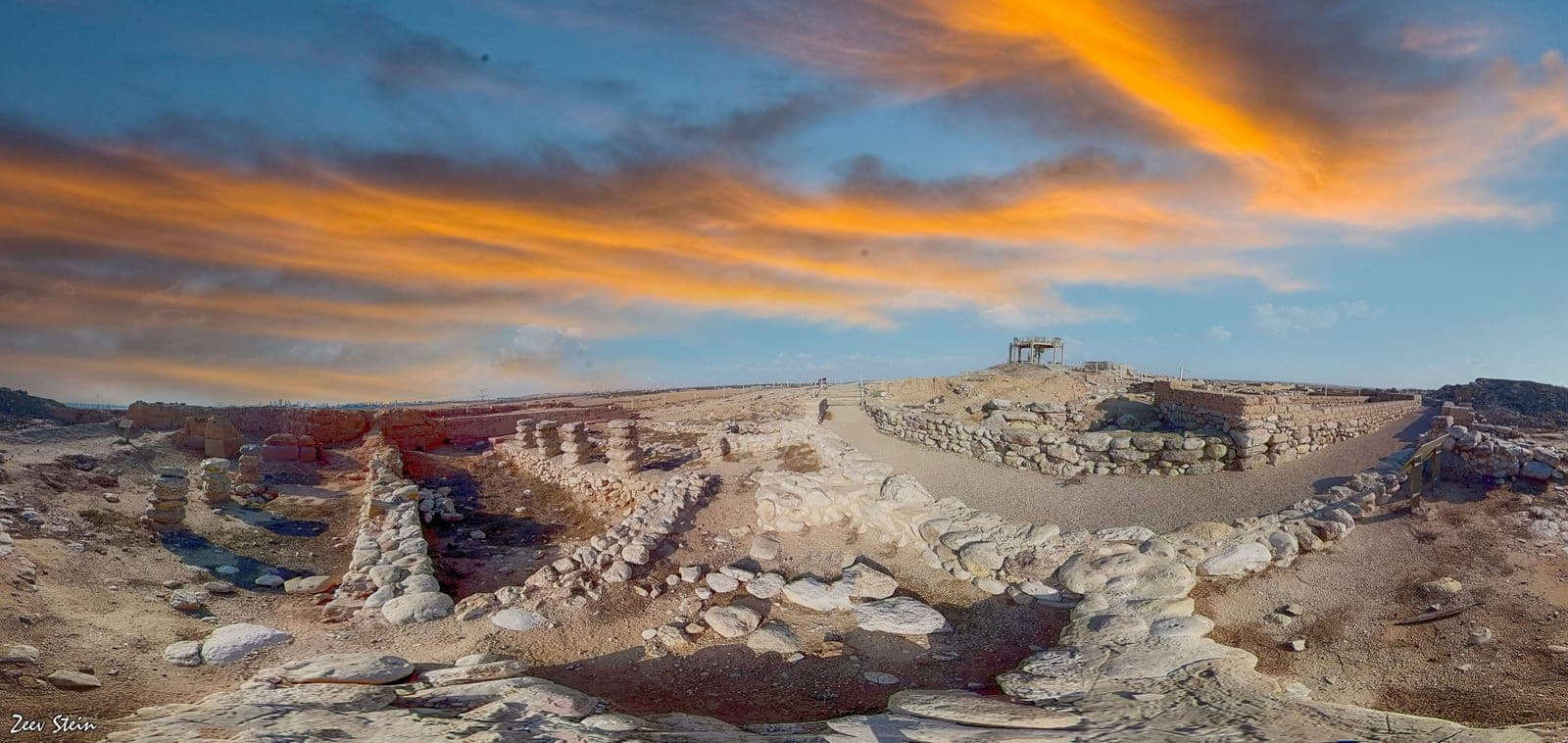
Photo: Zeev Stein / PikiWiki Israel, via Wikimedia Commons. License: CC BY 2.5. Source. Location: Tel Beer Sheva National Park, Israel. Resized for the web.
Explore the places of the Bible
See where biblical events happened, why each place matters, and what archaeology helps us understand.
Beersheba
Where Abraham and Isaac dug wells and worshiped the LORD, at the southern edge of the land.
Get full access with one subscription
Explore the people and places of the Bible. Read summaries of every book, with images and clear explanations covering every chapter. Access all these features and our Bible study tools with one subscription.
See PlansAsk AI about Genesis 15:13
Ask a question about this verse and get a clear answer, with Bible references you can read for yourself.
Every Bible book, explained chapter by chapter
Explore summaries of every book of the Bible, with images and easy-to-understand explanations covering every chapter.
Keep studying Genesis 15:13
Related Bible verses
Related topics
At a Glance — the Book of Genesis
- Author
- Traditionally attributed to Moses
- Written
- Around 1400 BC
- Genre
- Law (Pentateuch)
- Original Audience
- The Israelites in the wilderness
Frequently Asked Questions
Quick, clear answers about this verse
What does Genesis 15:13 mean for Abram's descendants?
Genesis 15:13 reveals that Abram's descendants will experience hardship as foreigners in a land that is not theirs, facing oppression for four hundred years. This prophecy highlights the struggles they will endure but also underscores God's sovereignty and promise of eventual deliverance. It serves as a reminder that even in difficult circumstances, there is hope and a greater plan at work.
How does Genesis 15:13 relate to the Israelites' slavery in Egypt?
Genesis 15:13 foreshadows the Israelites' future enslavement in Egypt, where they would be oppressed for four hundred years. This passage is significant as it sets the stage for the Exodus narrative, illustrating God's foreknowledge of their suffering and His commitment to deliver them. It emphasizes the covenant relationship between God and Abram, assuring that despite trials, liberation and fulfillment of God's promises are forthcoming.
What can we learn from Abram's experience in Genesis 15:13?
Abram's experience in Genesis 15:13 teaches us about the importance of faith in God's promises, especially during challenging times. It encourages us to trust that our struggles can lead to greater purposes, just as Abram's descendants would eventually be freed and blessed. This passage reminds us that even in adversity, we are part of a larger story, and maintaining faith can help us navigate our own difficulties.
Why is the number 400 significant in Genesis 15:13?
The number 400 in Genesis 15:13 signifies the duration of oppression that Abram's descendants would face in a foreign land. This specific timeframe emphasizes the severity and certainty of their suffering but also highlights God's control over history. It serves as a reminder that while challenges may be prolonged, God's promises of deliverance and restoration are steadfast and will ultimately prevail.
Daily Verse — straight to your inbox
A verse and a 2-sentence plain-English explanation, every morning. Free. Unsubscribe anytime.