Old Testament
Genesis 16:14
Read the Bible in clear, modern English—easy to understand, faithful to the meaning, and written for everyday readers.
That is why the well was named Beerlahairoi. It is located between Kadesh and Bered.
Compare translations
Wherefore the well was called Beerlahairoi; behold, it is between Kadesh and Bered.
What Genesis 16:14 means
Plain-English insight for readers
In this passage, we learn about a well named Beerlahairoi, which means 'the well of the Living One who sees me.' This well is significant because it represents a moment of divine encounter for Hagar, a woman who felt abandoned and alone. She had fled from her difficult situation, but God met her there, showing her that she was seen and valued. The location of the well, between Kadesh and Bered, highlights its importance as a place of refuge and revelation. It serves as a reminder that even in our most challenging times, we can find hope and clarity. The well symbolizes the assurance that God is aware of our struggles and is present in our lives. This moment is pivotal for Hagar, as it transforms her understanding of her worth and her relationship with God. The naming of the well signifies a new beginning, where she recognizes that she is not forgotten, but rather cherished and known by the Creator. This story encourages us to seek out our own 'wells' of hope in times of distress.
How to apply Genesis 16:14 to your life
When you feel lost or overlooked, remember that you are seen and valued by God. Seek out moments of connection and reflection in your life. Just as Hagar found hope at the well, you too can discover reassurance in your struggles. Embrace the idea that you are never truly alone in your journey. Trust that there is a purpose in your challenges and that help is available to you when you need it most. “,”chapter_summary_teaser”:
Curated for this public verse page. Genesis Summary
Learn the Bible through its people and places
Get to know the people in Scripture through illustrated stories, and explore the places where they lived and traveled.
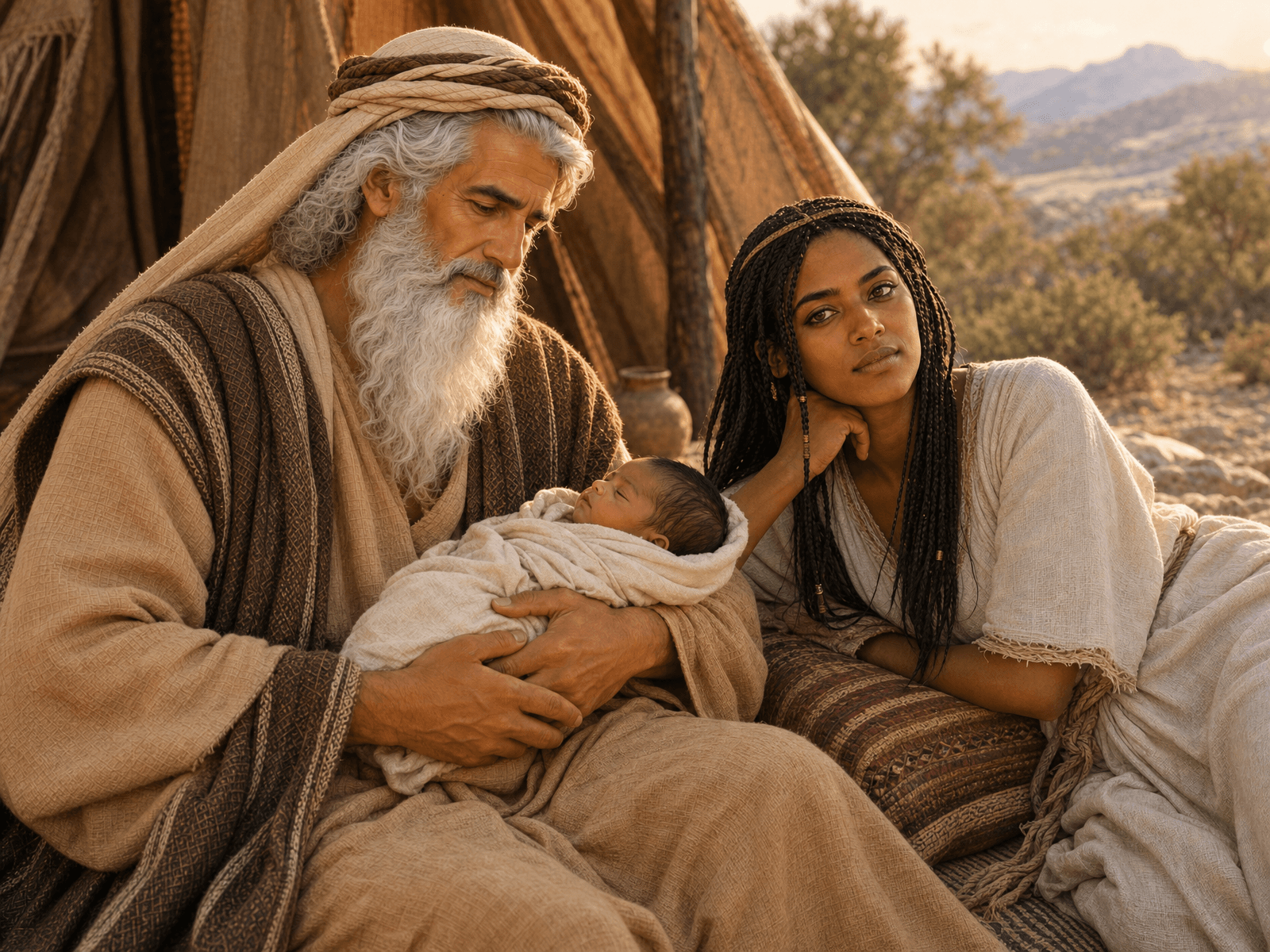
Illustrated scene from Abraham's story: Ishmael Is Born (Genesis 16:1–16)
Meet the people of the Bible
Follow their lives in order, with illustrated scenes and Bible passages that tell their stories.
 Abraham

Photo: U.S. Army photo by Spc. Samantha R. Ciaramitaro, via DVIDS and Wikimedia Commons. License: Public domain in the United States — U.S. federal-government work. Source. Location: Great Ziggurat, Ur Archaeological City (Tell el-Mukayyar), Dhi Qar Governorate, Iraq. Resized for the web.
Explore the places of the Bible
See where biblical events happened, why each place matters, and what archaeology helps us understand.
Ur
The city Abram's family left to travel toward Canaan.
Get full access with one subscription
Explore the people and places of the Bible. Read summaries of every book, with images and clear explanations covering every chapter. Access all these features and our Bible study tools with one subscription.
See PlansAsk AI about Genesis 16:14
Ask a question about this verse and get a clear answer, with Bible references you can read for yourself.
Every Bible book, explained chapter by chapter
Explore summaries of every book of the Bible, with images and easy-to-understand explanations covering every chapter.
Keep studying Genesis 16:14
Related Bible verses
Key themes
Related topics
At a Glance — the Book of Genesis
- Author
- Traditionally attributed to Moses
- Written
- Around 1400 BC
- Genre
- Law (Pentateuch)
- Original Audience
- The Israelites in the wilderness
Frequently Asked Questions
Quick, clear answers about this verse
What does Genesis 16:14 mean?
Genesis 16:14 refers to the naming of a well called Beerlahairoi, which means 'the well of the Living One who sees me.' This verse highlights Hagar's encounter with God, emphasizing that she was seen and valued during a difficult time in her life.
What is the significance of Beerlahairoi in Genesis 16:14?
Beerlahairoi is significant because it represents a moment of divine encounter for Hagar, who felt abandoned. The well symbolizes God's awareness of her struggles and serves as a place of refuge and revelation.
What does the name Beerlahairoi mean?
The name Beerlahairoi means 'the well of the Living One who sees me.' It reflects Hagar's realization that God sees her in her distress and values her, marking a pivotal moment in her life.
How can I apply the message of Genesis 16:14 to my life?
You can apply the message of Genesis 16:14 by remembering that you are seen and valued by God, especially in difficult times. Seek moments of connection and reflection, and trust that help is available when you need it.
Daily Verse — straight to your inbox
A verse and a 2-sentence plain-English explanation, every morning. Free. Unsubscribe anytime.