Old Testament
Genesis 21:9
Read the Bible in clear, modern English—easy to understand, faithful to the meaning, and written for everyday readers.
Sarah noticed that the son Hagar the Egyptian had borne to Abraham was mocking.
Compare translations
And Sarah saw the son of Hagar the Egyptian, which she had born unto Abraham, mocking.
What Genesis 21:9 means
Plain-English insight for readers
In this moment, Sarah sees something that troubles her deeply. The son of Hagar, who is named Ishmael, is mocking her own son, Isaac. This mocking is not just playful; it represents a deeper conflict between the two families. Sarah feels threatened by this behavior, as it challenges the place of her son in the family. She recognizes that this rivalry could lead to serious issues in their household. Sarah's reaction is one of concern and protectiveness for Isaac. She wants to ensure that her son is not belittled or undermined. This situation highlights the complexities of family dynamics and the emotions that arise from them. It serves as a reminder of how jealousy and rivalry can disrupt peace and harmony in relationships. Sarah's response will lead to significant decisions that affect everyone involved, showcasing the weight of parental instincts and the desire to protect one's child at all costs. This moment is pivotal in the unfolding story of Abraham's family and their journey.
How to apply Genesis 21:9 to your life
When faced with conflict in our relationships, it's important to address our feelings openly. Just like Sarah, we may need to take action to protect those we love. Recognizing the impact of our actions on others can help us navigate difficult situations with care and understanding. Communication is key to resolving tensions and fostering harmony in our lives. We can learn from Sarah's experience to prioritize peace in our families.
Curated for this public verse page. Genesis Summary
Learn the Bible through its people and places
Get to know the people in Scripture through illustrated stories, and explore the places where they lived and traveled.
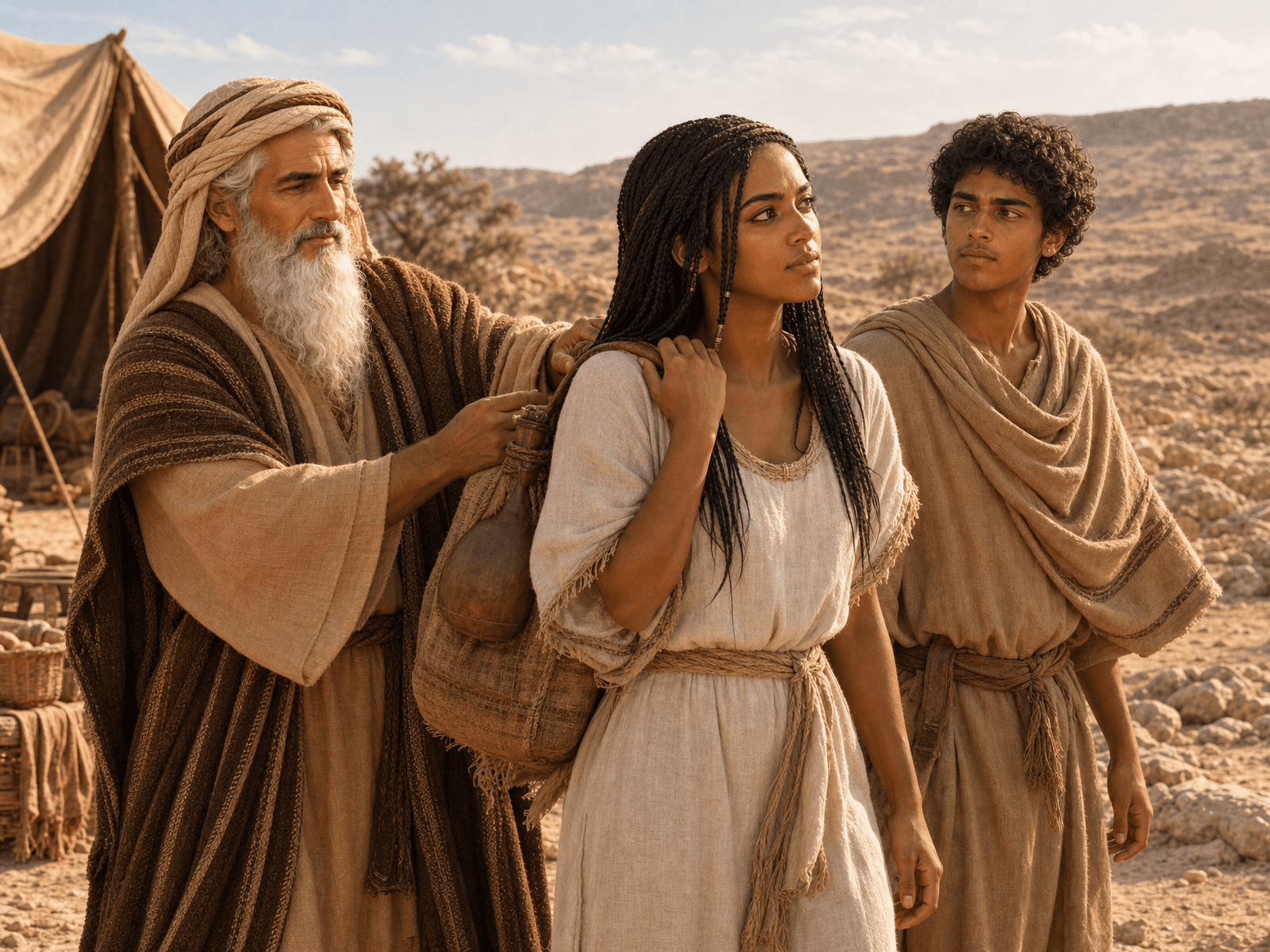
Illustrated scene from Abraham's story: Hagar and Ishmael Sent Away (Genesis 21:8–21)
Meet the people of the Bible
Follow their lives in order, with illustrated scenes and Bible passages that tell their stories.
 Abraham

Photo: U.S. Army photo by Spc. Samantha R. Ciaramitaro, via DVIDS and Wikimedia Commons. License: Public domain in the United States — U.S. federal-government work. Source. Location: Great Ziggurat, Ur Archaeological City (Tell el-Mukayyar), Dhi Qar Governorate, Iraq. Resized for the web.
Explore the places of the Bible
See where biblical events happened, why each place matters, and what archaeology helps us understand.
Ur
The city Abram's family left to travel toward Canaan.
Get full access with one subscription
Explore the people and places of the Bible. Read summaries of every book, with images and clear explanations covering every chapter. Access all these features and our Bible study tools with one subscription.
See PlansAsk AI about Genesis 21:9
Ask a question about this verse and get a clear answer, with Bible references you can read for yourself.
Every Bible book, explained chapter by chapter
Explore summaries of every book of the Bible, with images and easy-to-understand explanations covering every chapter.
Keep studying Genesis 21:9
Related Bible verses
Key themes
Related topics
At a Glance — the Book of Genesis
- Author
- Traditionally attributed to Moses
- Written
- Around 1400 BC
- Genre
- Law (Pentateuch)
- Original Audience
- The Israelites in the wilderness
Frequently Asked Questions
Quick, clear answers about this verse
What does Genesis 21:9 mean about Sarah's feelings?
Genesis 21:9 reveals Sarah's deep concern and protectiveness for her son Isaac. She observes Ishmael, the son of Hagar, mocking Isaac, which symbolizes a rivalry that threatens her family's harmony. Sarah's reaction highlights the emotional complexities of family dynamics, particularly the instinct to safeguard one's child from perceived threats.
Why was Ishmael mocking Isaac in Genesis 21:9?
Ishmael's mocking of Isaac in Genesis 21:9 reflects the underlying tension between the two families. This mocking is not merely playful; it signifies a rivalry and competition for status and favor within Abraham's household. Such behavior often stems from jealousy and insecurity, especially in a blended family situation.
How does Genesis 21:9 relate to family dynamics today?
Genesis 21:9 illustrates timeless themes of family conflict, jealousy, and the protective instincts of parents. In modern contexts, it serves as a reminder that unresolved rivalries can disrupt family harmony. It encourages open communication and proactive measures to address conflicts, ensuring that relationships remain healthy and supportive.
What lessons can we learn from Sarah's reaction in Genesis 21:9?
From Sarah's reaction in Genesis 21:9, we learn the importance of addressing conflicts directly and protecting loved ones. Her instinct to act on her feelings demonstrates that parental instincts often drive decisions in challenging situations. This teaches us to prioritize communication and understanding to foster peace within our families.
Daily Verse — straight to your inbox
A verse and a 2-sentence plain-English explanation, every morning. Free. Unsubscribe anytime.