Old Testament
Genesis 48:13
Read the Bible in clear, modern English—easy to understand, faithful to the meaning, and written for everyday readers.
Joseph positioned both sons—Ephraim at his right hand, facing Israel's left, and Manasseh at his left hand, facing Israel's right—and brought them close to his father.
Compare translations
And Joseph took them both, Ephraim in his right hand toward Israel’s left hand, and Manasseh in his left hand toward Israel’s right hand, and brought them near unto him.
What Genesis 48:13 means
Plain-English insight for readers
In this verse, Joseph is bringing his two sons, Ephraim and Manasseh, to his father Israel (also known as Jacob) for a blessing. He carefully positions Ephraim, the younger son, at his right hand, which is significant because the right hand is traditionally associated with favor and blessing. Manasseh, the older son, is placed at Joseph's left hand. This arrangement indicates Joseph's intention for his father to bless Manasseh first, as was customary for the firstborn. However, as the story unfolds, Jacob will cross his hands and bless Ephraim over Manasseh, signifying that God's plans often differ from human expectations. This moment highlights the importance of family, legacy, and the passing of blessings from one generation to the next, as well as the unexpected ways in which God works in our lives.
How to apply Genesis 48:13 to your life
This verse encourages us to consider how we position our own priorities and relationships. Just as Joseph sought to honor his sons, we should actively nurture and bless those in our lives. It reminds us that God's plans may not align with our expectations, urging us to trust in His wisdom.
Curated for this public verse page. Genesis Summary
Learn the Bible through its people and places
Get to know the people in Scripture through illustrated stories, and explore the places where they lived and traveled.

Illustrated scene from Joseph, Jacob's son's story: Jacob Blesses Joseph's Sons (Genesis 48:1–22)
Meet the people of the Bible
Follow their lives in order, with illustrated scenes and Bible passages that tell their stories.
 Joseph, Jacob's son
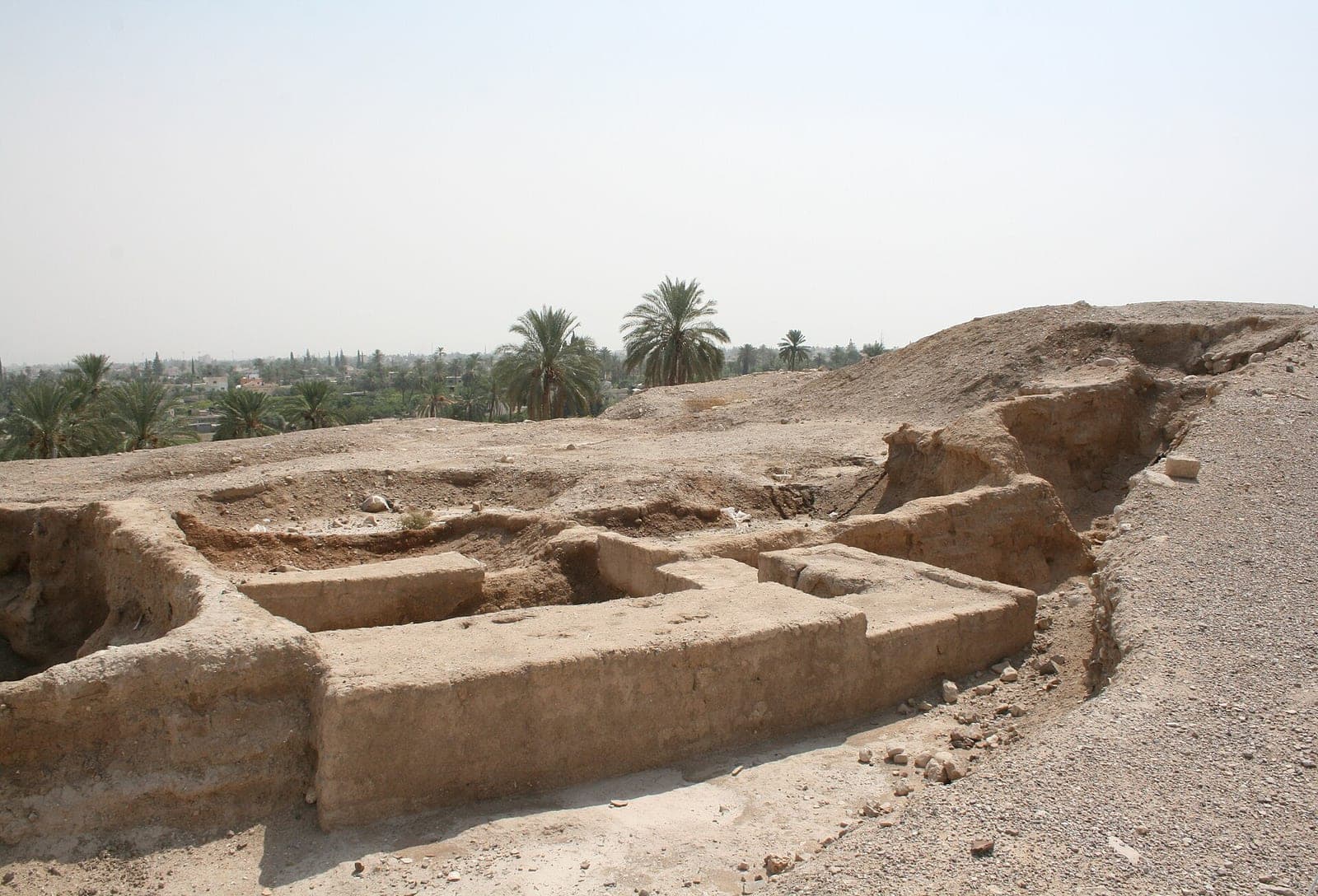
Photo: Diego Delso, via Wikimedia Commons. License: CC BY-SA 3.0. Source. Location: Tell es-Sultan, Jericho, West Bank. Resized for the web.
Explore the places of the Bible
See where biblical events happened, why each place matters, and what archaeology helps us understand.
Jericho
The city of palm trees, whose walls fell in Joshua's day.
Get full access with one subscription
Explore the people and places of the Bible. Read summaries of every book, with images and clear explanations covering every chapter. Access all these features and our Bible study tools with one subscription.
See PlansAsk AI about Genesis 48:13
Ask a question about this verse and get a clear answer, with Bible references you can read for yourself.
Every Bible book, explained chapter by chapter
Explore summaries of every book of the Bible, with images and easy-to-understand explanations covering every chapter.
Keep studying Genesis 48:13
Related Bible verses
At a Glance — the Book of Genesis
- Author
- Traditionally attributed to Moses
- Written
- Around 1400 BC
- Genre
- Law (Pentateuch)
- Original Audience
- The Israelites in the wilderness
Frequently Asked Questions
Quick, clear answers about this verse
What does Genesis 48:13 mean?
Genesis 48:13 describes Joseph bringing his two sons, Ephraim and Manasseh, to his father Jacob for a blessing. Joseph positions Ephraim at his right hand, symbolizing favor, while Manasseh is at his left, indicating the traditional order of blessing for the firstborn.
What is the significance of the right hand in Genesis 48:13?
In Genesis 48:13, the right hand symbolizes favor and blessing. Joseph places Ephraim, the younger son, at his right hand, which foreshadows the unexpected blessing he will receive from Jacob.
What lesson can we learn from Genesis 48:13?
Genesis 48:13 teaches us about the importance of family and the passing of blessings. It also reminds us that God's plans may differ from our expectations, encouraging us to trust in His wisdom.
Daily Verse — straight to your inbox
A verse and a 2-sentence plain-English explanation, every morning. Free. Unsubscribe anytime.