New Testament
Hebrews 11:39
Read the Bible in clear, modern English—easy to understand, faithful to the meaning, and written for everyday readers.
All of these, having obtained a good report through faith, did not receive the promise.
Compare translations
And these all, having obtained a good report through faith, received not the promise:
What Hebrews 11:39 means
Plain-English insight for readers
In Hebrews 11:39, the author reflects on the faithful individuals mentioned throughout the chapter, highlighting that despite their strong faith and commendable actions, they did not receive the ultimate promise of God during their lifetimes. This promise refers to the fulfillment of God's covenant, which includes the hope of eternal life and the coming of Christ. The verse emphasizes that these faithful figures, such as Abraham, Moses, and others, lived and died in faith, trusting in God's future plans even though they did not see the complete realization of those promises. Their faithfulness serves as an example for believers today, showing that faith is not always rewarded in immediate or tangible ways. Instead, it points to a greater hope that transcends earthly life, encouraging believers to remain steadfast in their faith, knowing that God's promises are sure, even if they are not fully realized in this life.
How to apply Hebrews 11:39 to your life
This verse encourages us to maintain our faith even when we do not see immediate results or fulfillment of God's promises. It reminds us that our trust in God is valuable and that our lives can have a lasting impact, even if we do not witness the outcomes ourselves. We should focus on living faithfully and trusting in God's timing.
Curated for this public verse page. Hebrews Summary
Explore more of the Bible
Learn the Bible through its people and places
Get to know the people in Scripture through illustrated stories, and explore the places where they lived and traveled.
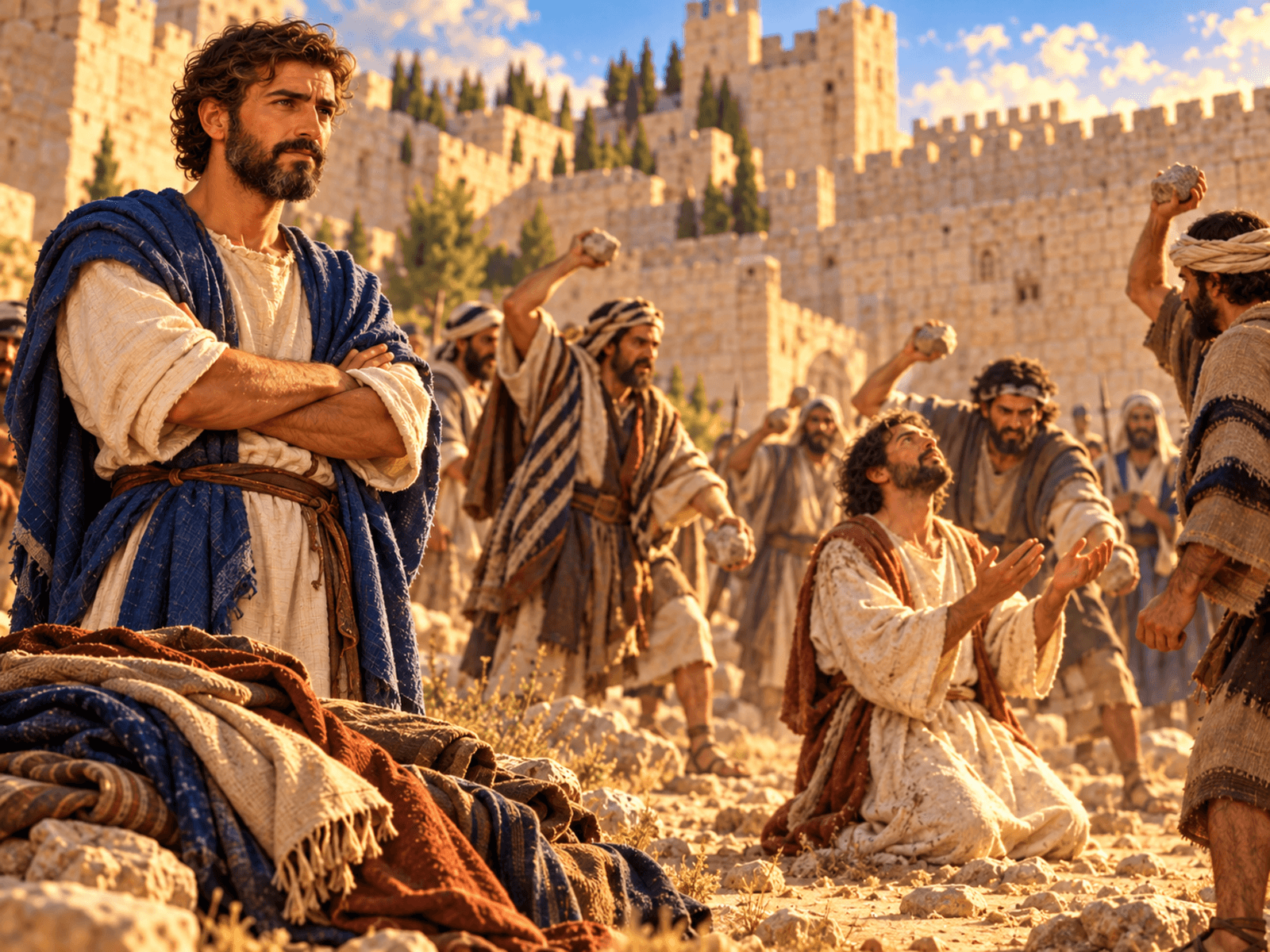
Illustrated scene from Paul's story: The Stoning of Stephen (Acts 7:57–8:2)
Meet the people of the Bible
Follow their lives in order, with illustrated scenes and Bible passages that tell their stories.
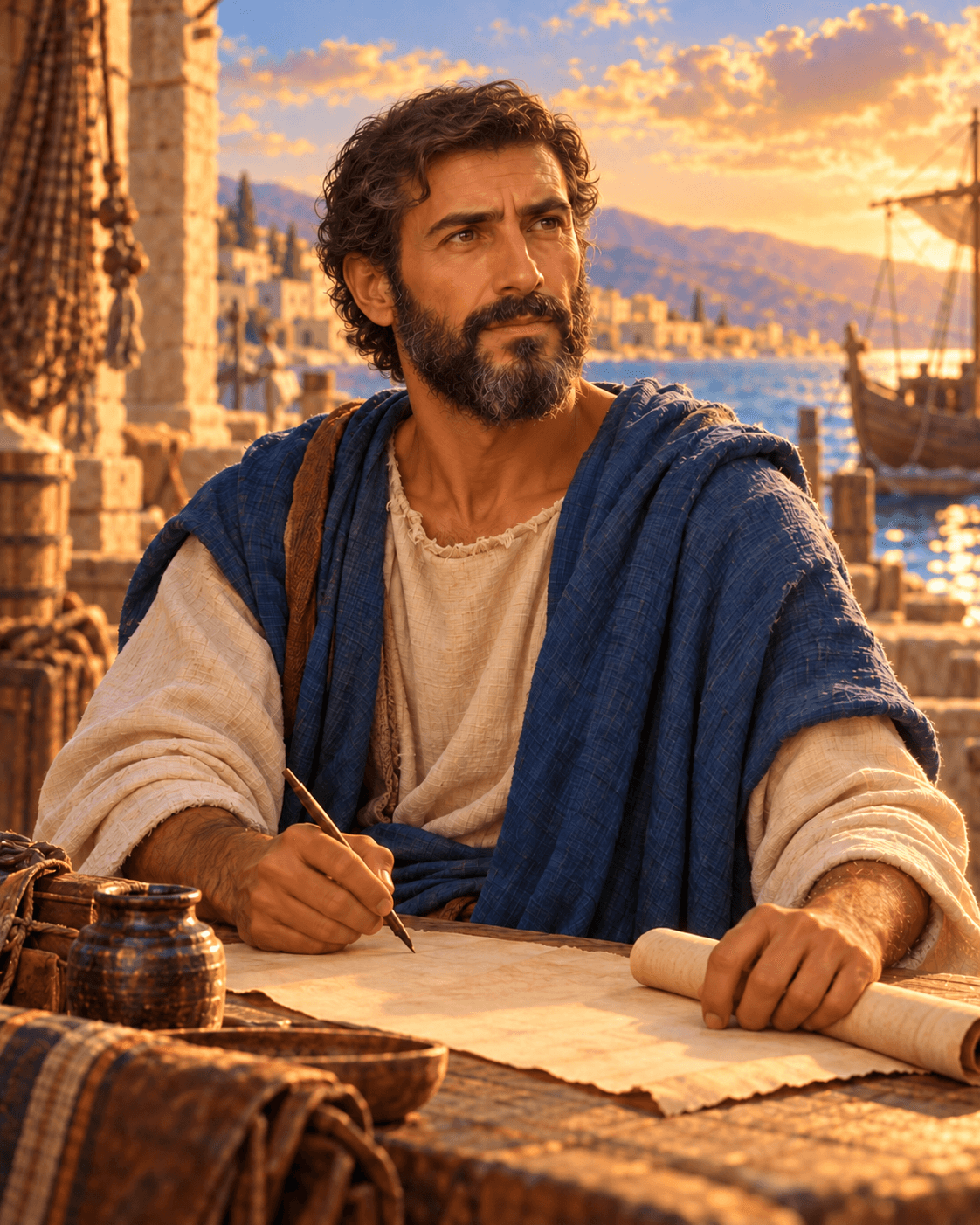 Paul
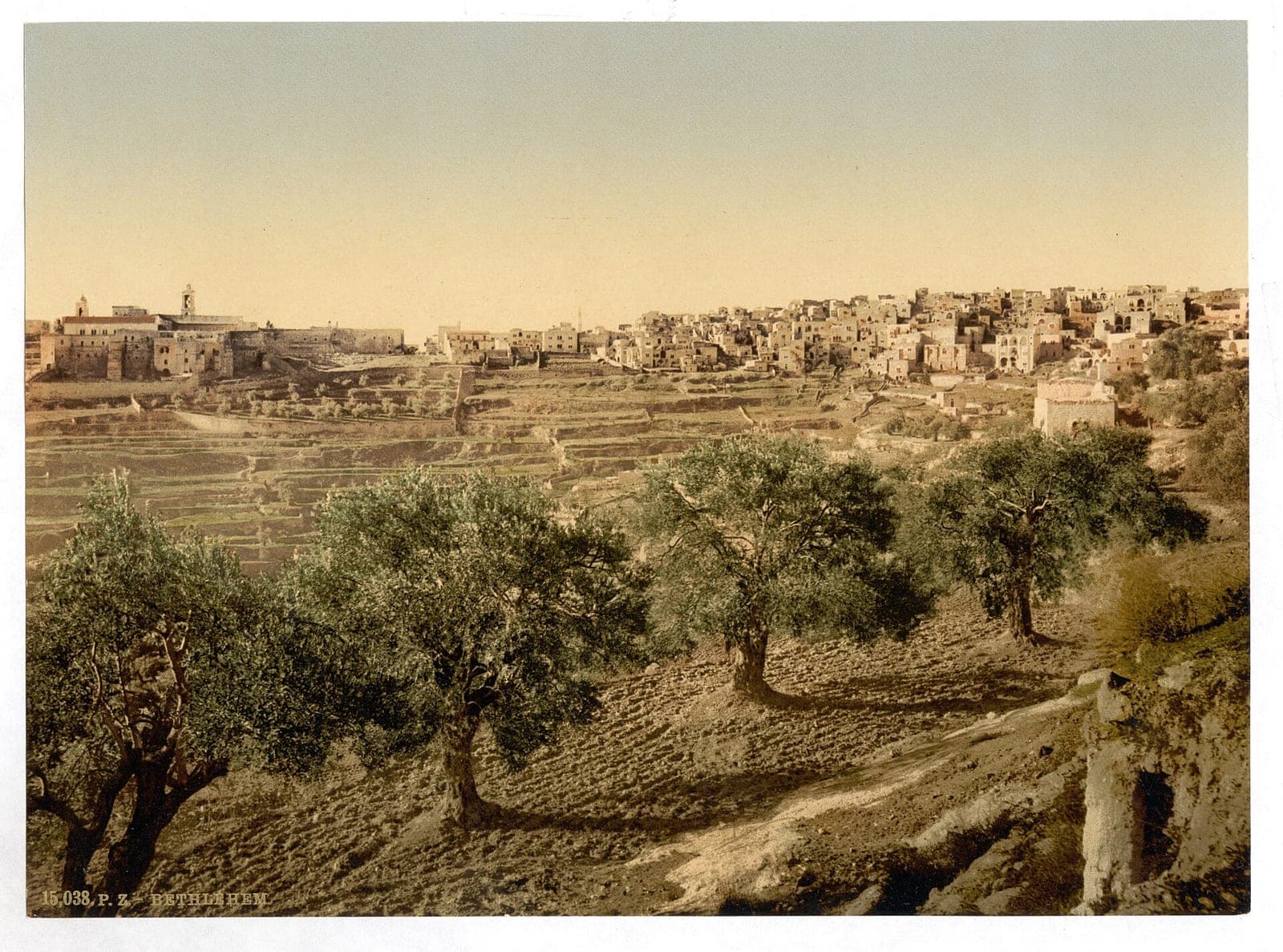
Photo: Photochrom print, Library of Congress Prints and Photographs Division (LCCN 2002724966). License: Public domain in the United States; Library of Congress states no known restrictions on publication. Source. Location: Bethlehem, West Bank; print preserved by the Library of Congress. Resized for the web.
Explore the places of the Bible
See where biblical events happened, why each place matters, and what archaeology helps us understand.
Bethlehem
David's hometown, and the town where Jesus was born.
Get full access with one subscription
Explore the people and places of the Bible. Read summaries of every book, with images and clear explanations covering every chapter. Access all these features and our Bible study tools with one subscription.
See PlansAsk AI about Hebrews 11:39
Ask a question about this verse and get a clear answer, with Bible references you can read for yourself.
Every Bible book, explained chapter by chapter
Explore summaries of every book of the Bible, with images and easy-to-understand explanations covering every chapter.
Keep studying Hebrews 11:39
Related Bible verses
Related topics
At a Glance — the Book of Hebrews
- Author
- Author unknown; traditionally attributed to Paul
- Written
- Around AD 60-70
- Genre
- Letter and sermon
- Original Audience
- Jewish Christians
Frequently Asked Questions
Quick, clear answers about this verse
What does Hebrews 11:39 mean by 'did not receive the promise'?
In Hebrews 11:39, 'did not receive the promise' refers to the faithful individuals mentioned in the chapter who lived their lives in trust of God's future fulfillment but did not see the complete realization of His promises during their lifetimes. This underscores the idea that faith often involves waiting for God's timing and trusting in His plans, even when they are not immediately visible.
How can Hebrews 11:39 encourage believers today?
Hebrews 11:39 encourages believers by illustrating that faithfulness is valuable, even if immediate results are not seen. It reminds us that many faithful figures lived and died without witnessing the full realization of God's promises. This serves as a powerful example to remain steadfast in faith, trusting that God's ultimate plans will unfold in His perfect timing.
Who are some examples of faithful individuals mentioned in Hebrews 11?
Hebrews 11 highlights several faithful individuals, including Abraham, Moses, Noah, and Sarah. These figures demonstrated great faith in God’s promises, often facing significant challenges and uncertainties. Their stories serve as inspiration for believers to trust in God’s plans, even when the outcomes are not immediately evident.
What is the significance of faith in Hebrews 11:39?
The significance of faith in Hebrews 11:39 lies in its portrayal of faith as a journey rather than a destination. It emphasizes that true faith often involves enduring trials and trusting in God's promises, even when they are not fulfilled in our lifetime. This perspective encourages believers to focus on their relationship with God and the hope of future fulfillment.
Daily Verse — straight to your inbox
A verse and a 2-sentence plain-English explanation, every morning. Free. Unsubscribe anytime.