New Testament
Hebrews 13:12
Read the Bible in clear, modern English—easy to understand, faithful to the meaning, and written for everyday readers.
In the same way, Jesus suffered outside the city gate so he could make the people holy through his own blood.
Compare translations
Wherefore Jesus also, that he might sanctify the people with his own blood, suffered without the gate.
What Hebrews 13:12 means
Plain-English insight for readers
This verse highlights the sacrificial nature of Jesus' death. By suffering outside the city gate, Jesus identifies with those who are marginalized and rejected. His suffering was not just physical; it was a spiritual act meant to purify and sanctify humanity through His blood. The imagery of being outside the city gate symbolizes rejection and the need for redemption. In the Old Testament, sacrifices were often made outside the camp, and Jesus fulfills this by offering Himself as the ultimate sacrifice. His blood cleanses believers, making them holy and acceptable to God. This act of love and sacrifice emphasizes the depth of Jesus' commitment to humanity's salvation, showing that holiness comes through His suffering and sacrifice, not through human efforts or rituals. It serves as a reminder of the cost of redemption and the lengths to which Jesus went to restore the relationship between God and humanity.
How to apply Hebrews 13:12 to your life
Understanding Jesus' sacrifice encourages us to embrace our own struggles and sufferings. We can find hope in knowing that our pain can lead to growth and holiness. This verse calls us to live in a way that reflects the love and sacrifice of Christ in our daily lives.
Curated for this public verse page. Hebrews Summary
Explore more of the Bible
Learn the Bible through its people and places
Get to know the people in Scripture through illustrated stories, and explore the places where they lived and traveled.
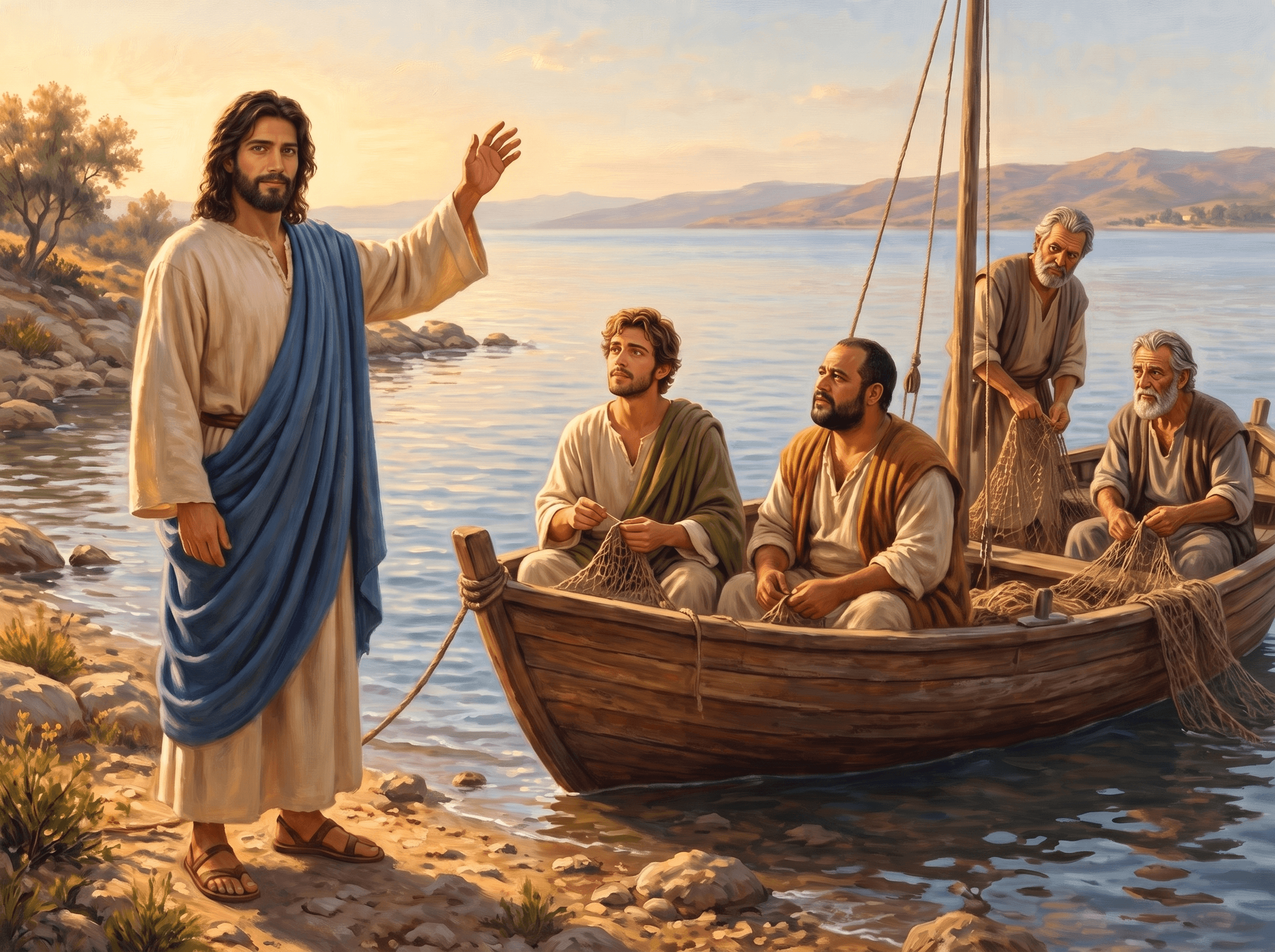
Illustrated scene from John the Apostle's story: Mending Their Nets (Mark 1:19–20)
Meet the people of the Bible
Follow their lives in order, with illustrated scenes and Bible passages that tell their stories.
 John the Apostle

Photo: zeevveez, via Wikimedia Commons. License: CC BY 2.0. Source. Location: Capernaum, on the northern shore of the Sea of Galilee. Resized for the web.
Explore the places of the Bible
See where biblical events happened, why each place matters, and what archaeology helps us understand.
Capernaum
Jesus' home base by the Sea of Galilee, and the town where Peter lived.
Get full access with one subscription
Explore the people and places of the Bible. Read summaries of every book, with images and clear explanations covering every chapter. Access all these features and our Bible study tools with one subscription.
See PlansAsk AI about Hebrews 13:12
Ask a question about this verse and get a clear answer, with Bible references you can read for yourself.
Every Bible book, explained chapter by chapter
Explore summaries of every book of the Bible, with images and easy-to-understand explanations covering every chapter.
Keep studying Hebrews 13:12
Related Bible verses
Key themes
Related topics
At a Glance — the Book of Hebrews
- Author
- Author unknown; traditionally attributed to Paul
- Written
- Around AD 60-70
- Genre
- Letter and sermon
- Original Audience
- Jewish Christians
Frequently Asked Questions
Quick, clear answers about this verse
What does Hebrews 13:12 mean?
Hebrews 13:12 explains that Jesus suffered outside the city gate to sanctify people through His blood. This emphasizes His role as the ultimate sacrifice, highlighting the significance of His suffering for humanity's redemption.
What is the meaning of 'suffered without the gate' in Hebrews 13:12?
The phrase 'suffered without the gate' signifies Jesus' rejection and identification with the marginalized. It reflects the Old Testament practice of sacrifices being made outside the camp, showing that Jesus fulfills this by offering Himself for our sins.
How does Hebrews 13:12 relate to Jesus' sacrifice?
Hebrews 13:12 relates to Jesus' sacrifice by illustrating that His suffering was intentional and sacrificial, aimed at sanctifying humanity. It connects His physical suffering to a spiritual act of redemption through His blood.
What themes are present in Hebrews 13:12?
The themes in Hebrews 13:12 include Jesus' sacrifice, sanctification, redemption, suffering, holiness, and the significance of His blood. These themes highlight the depth of Jesus' commitment to restoring the relationship between God and humanity.
Daily Verse — straight to your inbox
A verse and a 2-sentence plain-English explanation, every morning. Free. Unsubscribe anytime.