New Testament
Hebrews 5:3
Read the Bible in clear, modern English—easy to understand, faithful to the meaning, and written for everyday readers.
Because of this, he has to offer sacrifices for his own sins, not just for the sins of the people.
Compare translations
And by reason hereof he ought, as for the people, so also for himself, to offer for sins.
What Hebrews 5:3 means
Plain-English insight for readers
In Hebrews 5:3, the author emphasizes the necessity for a high priest to make sacrifices not only for the sins of the people but also for his own sins. This highlights the human condition of sinfulness, even among those who serve in spiritual leadership. The high priest, being a representative of the people before God, must acknowledge his own shortcomings and need for atonement. This verse underscores the importance of humility and the recognition that no one is above the need for forgiveness. It also sets the stage for understanding the unique role of Jesus as the ultimate high priest, who, unlike earthly priests, is sinless and offers a perfect sacrifice for all. This dual requirement of sacrifice serves to remind believers of the seriousness of sin and the grace available through Christ, who fulfills the role of high priest in a way that no one else can.
How to apply Hebrews 5:3 to your life
This verse encourages us to recognize our own need for forgiveness before we can help others. As we seek to guide and support those around us, we must first acknowledge our shortcomings and rely on God's grace. This humility fosters genuine relationships and effective ministry.
Curated for this public verse page. Hebrews Summary
Explore more of the Bible
Learn the Bible through its people and places
Get to know the people in Scripture through illustrated stories, and explore the places where they lived and traveled.
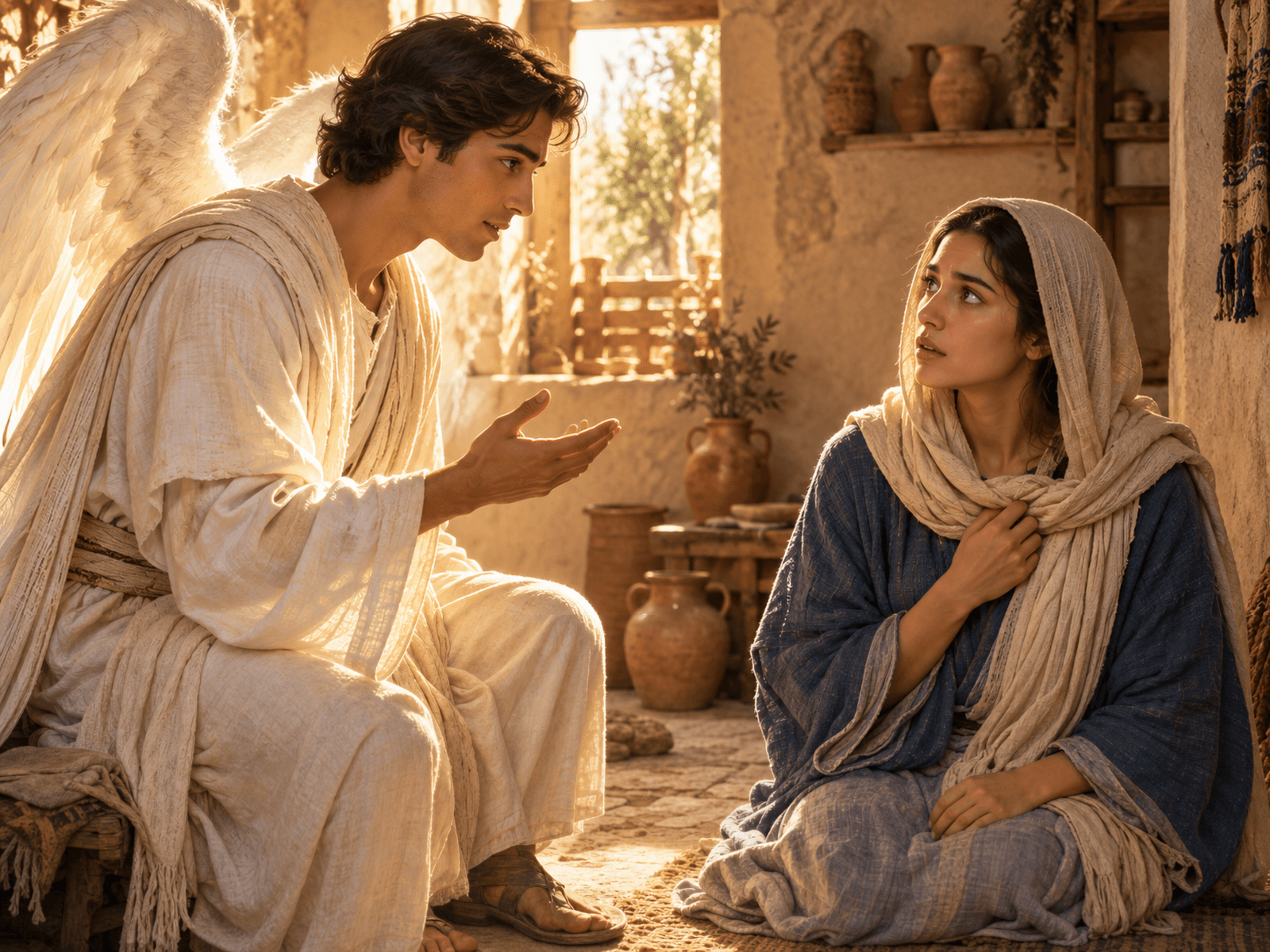
Illustrated scene from Jesus's story: An Angel Visits Mary (Luke 1:26–38)
Meet the people of the Bible
Follow their lives in order, with illustrated scenes and Bible passages that tell their stories.
 Jesus

Photo: Gary Todd (Gary Lee Todd, Ph.D.), via Wikimedia Commons. License: CC0 1.0 Universal Public Domain Dedication. Source. Location: Southern end of the Temple Mount, Jerusalem Old City. Resized for the web.
Explore the places of the Bible
See where biblical events happened, why each place matters, and what archaeology helps us understand.
Jerusalem
David's capital, the city of the temple, and the place where Jesus died and rose again.
Get full access with one subscription
Explore the people and places of the Bible. Read summaries of every book, with images and clear explanations covering every chapter. Access all these features and our Bible study tools with one subscription.
See PlansAsk AI about Hebrews 5:3
Ask a question about this verse and get a clear answer, with Bible references you can read for yourself.
Every Bible book, explained chapter by chapter
Explore summaries of every book of the Bible, with images and easy-to-understand explanations covering every chapter.
Keep studying Hebrews 5:3
Related Bible verses
At a Glance — the Book of Hebrews
- Author
- Author unknown; traditionally attributed to Paul
- Written
- Around AD 60-70
- Genre
- Letter and sermon
- Original Audience
- Jewish Christians
Frequently Asked Questions
Quick, clear answers about this verse
What does Hebrews 5:3 mean?
Hebrews 5:3 explains that a high priest must offer sacrifices for his own sins as well as for the sins of the people, highlighting the shared human condition of sinfulness and the need for atonement.
What is the significance of sacrifices in Hebrews 5:3?
The sacrifices mentioned in Hebrews 5:3 illustrate the necessity for atonement, showing that even spiritual leaders must recognize their own sins and need for forgiveness.
How does Hebrews 5:3 relate to humility?
Hebrews 5:3 emphasizes humility by reminding us that no one, including high priests, is without sin and must seek forgiveness, fostering a spirit of humility in leadership.
What does this verse teach about leadership?
This verse teaches that effective leadership requires acknowledging one's own flaws and need for grace, which is essential for guiding and supporting others.
Daily Verse — straight to your inbox
A verse and a 2-sentence plain-English explanation, every morning. Free. Unsubscribe anytime.