Old Testament
Isaiah 19:25
Read the Bible in clear, modern English—easy to understand, faithful to the meaning, and written for everyday readers.
The LORD of hosts will bless them, saying, 'Blessed be Egypt my people, Assyria the work of my hands, and Israel my inheritance.'
Compare translations
Whom the LORD of hosts shall bless, saying, Blessed be Egypt my people, and Assyria the work of my hands, and Israel mine inheritance.
What Isaiah 19:25 means
Plain-English insight for readers
In Isaiah 19:25, God expresses His intention to bless nations that were historically enemies of Israel, specifically Egypt and Assyria. This verse highlights God's sovereignty and His ability to transform relationships. By calling Egypt 'my people' and Assyria 'the work of my hands,' God emphasizes that His grace extends beyond Israel to include all nations. This reflects a future hope where former adversaries will be united under God's blessing. The mention of Israel as 'my inheritance' signifies the special relationship God has with His chosen people, yet it does not exclude others from His mercy. This passage illustrates God's desire for reconciliation and inclusion, showing that His love and blessings are available to all who turn to Him, regardless of their past. It serves as a reminder that God's plans encompass all humanity, and His blessings can reach even those we might consider unlikely recipients.
How to apply Isaiah 19:25 to your life
This verse encourages us to embrace a broader view of God's love and grace. It challenges us to extend kindness and acceptance to those we may see as different or even adversarial. By doing so, we reflect God's inclusive nature in our relationships.
Curated for this public verse page. Isaiah Summary
Explore more of the Bible
Learn the Bible through its people and places
Get to know the people in Scripture through illustrated stories, and explore the places where they lived and traveled.

Illustrated scene from Moses's story: Israel Enslaved in Egypt (Exodus 1:8–22)
Meet the people of the Bible
Follow their lives in order, with illustrated scenes and Bible passages that tell their stories.
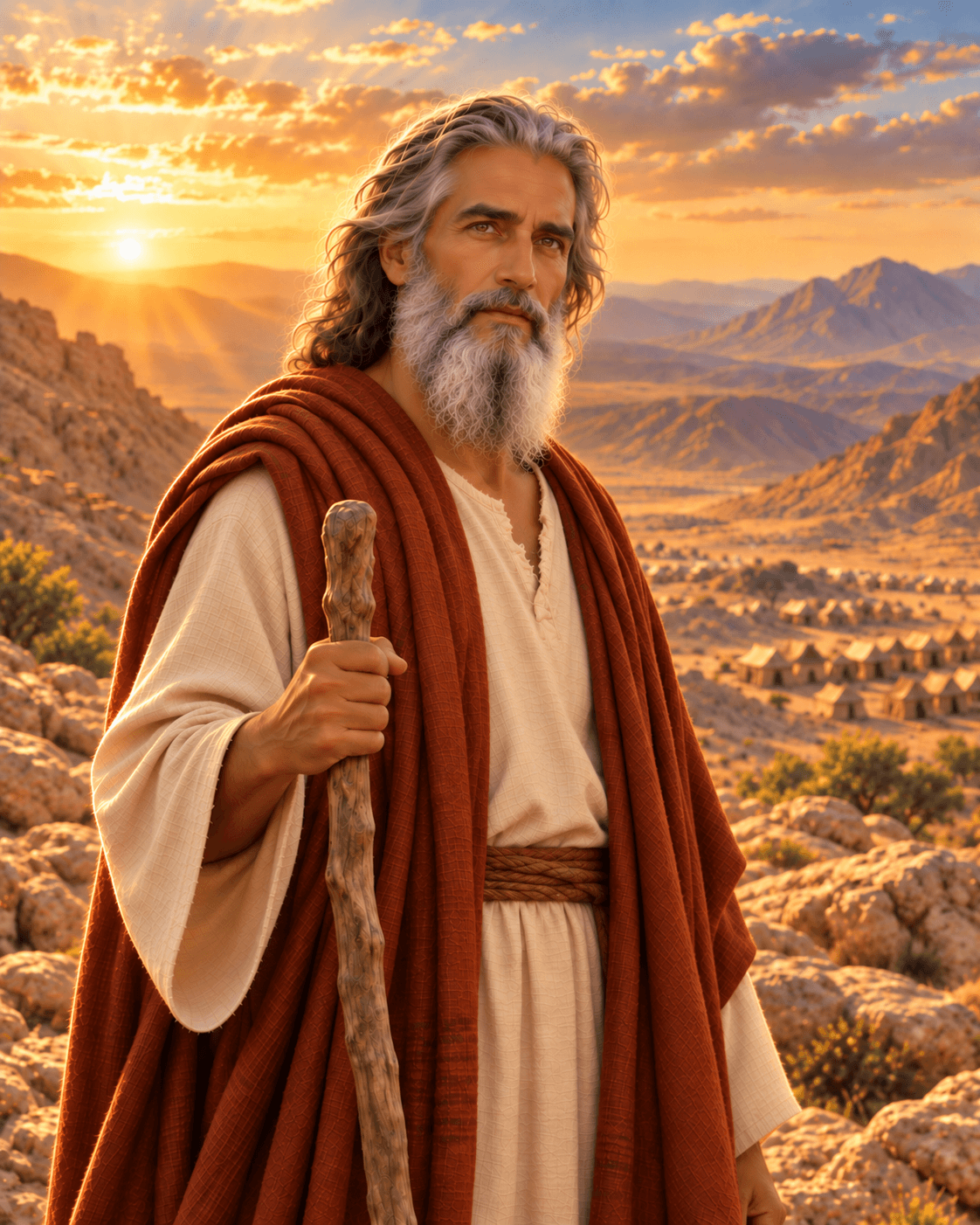 Moses
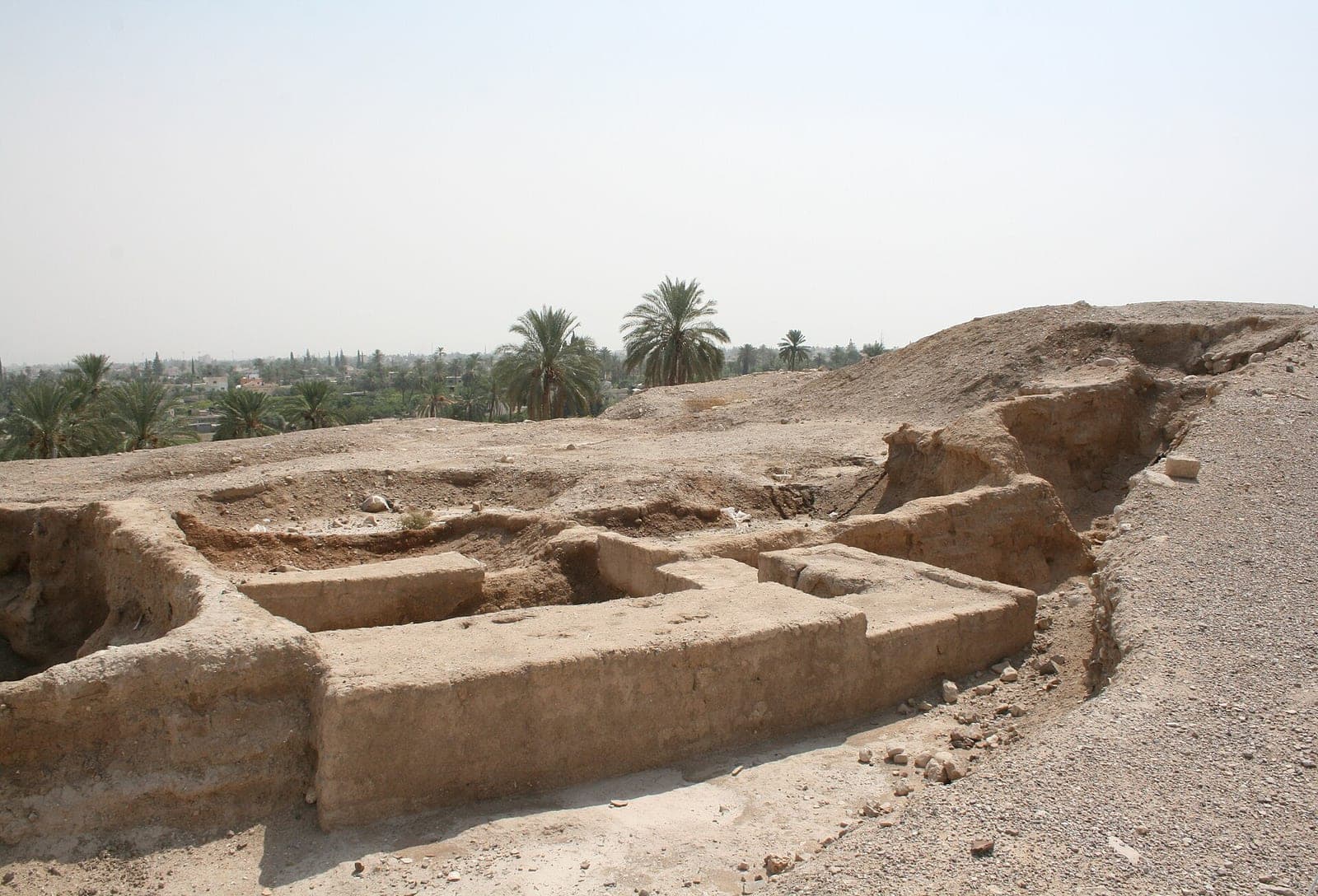
Photo: Diego Delso, via Wikimedia Commons. License: CC BY-SA 3.0. Source. Location: Tell es-Sultan, Jericho, West Bank. Resized for the web.
Explore the places of the Bible
See where biblical events happened, why each place matters, and what archaeology helps us understand.
Jericho
The city of palm trees, whose walls fell in Joshua's day.
Get full access with one subscription
Explore the people and places of the Bible. Read summaries of every book, with images and clear explanations covering every chapter. Access all these features and our Bible study tools with one subscription.
See PlansAsk AI about Isaiah 19:25
Ask a question about this verse and get a clear answer, with Bible references you can read for yourself.
Every Bible book, explained chapter by chapter
Explore summaries of every book of the Bible, with images and easy-to-understand explanations covering every chapter.
Keep studying Isaiah 19:25
Related Bible verses
Key themes
Related topics
At a Glance — the Book of Isaiah
- Author
- Isaiah the prophet
- Written
- Around 700 BC
- Genre
- Prophecy
- Original Audience
- Judah and the surrounding nations
Frequently Asked Questions
Quick, clear answers about this verse
What does Isaiah 19:25 mean for Egypt and Assyria?
Isaiah 19:25 signifies God's intention to bless Egypt and Assyria, nations historically seen as enemies of Israel. By referring to Egypt as 'my people' and Assyria as 'the work of my hands,' God emphasizes His sovereignty and the transformative power of His grace. This verse illustrates a future where former adversaries are united under God's blessing, highlighting His desire for reconciliation and inclusion among all nations.
How does Isaiah 19:25 reflect God's grace?
In Isaiah 19:25, God's grace is evident as He extends His blessings to Egypt and Assyria, nations that were once adversaries of Israel. This demonstrates that God's love is not limited to a specific group but is available to all who seek Him. By calling these nations His people and His work, God shows that His mercy can reach anyone, regardless of their past, emphasizing the inclusive nature of His grace.
What is the significance of Israel being called 'my inheritance'?
In Isaiah 19:25, Israel being referred to as 'my inheritance' highlights the special relationship between God and His chosen people. This designation signifies that Israel holds a unique place in God's plan and purpose. However, it also serves to remind us that while Israel is cherished, God's blessings and grace extend beyond them to include all nations, illustrating His desire for unity and reconciliation among all peoples.
How can we apply Isaiah 19:25 in our lives today?
Isaiah 19:25 encourages us to adopt a broader perspective on God's love and grace. It challenges us to show kindness and acceptance to those who may be different from us or even seen as adversaries. By embodying this inclusive spirit in our relationships, we reflect God's nature and promote unity, reconciliation, and understanding in our communities, reminding us that everyone is worthy of God's love.
Daily Verse — straight to your inbox
A verse and a 2-sentence plain-English explanation, every morning. Free. Unsubscribe anytime.