Old Testament
Isaiah 38:12
Read the Bible in clear, modern English—easy to understand, faithful to the meaning, and written for everyday readers.
My time is gone, taken away like a shepherd's tent. I have cut off my life like a weaver. He will cut me off with pining sickness. From morning to night, you will bring me to an end.
Compare translations
Mine age is departed, and is removed from me as a shepherd’s tent: I have cut off like a weaver my life: he will cut me off with pining sickness: from day even to night wilt thou make an end of me.
What Isaiah 38:12 means
Plain-English insight for readers
In Isaiah 38:12, the speaker reflects on the fleeting nature of life, comparing it to a shepherd's tent that can be easily taken down. This metaphor illustrates how quickly life can change or end. The imagery of a weaver cutting off threads signifies the abruptness of death, suggesting that life can be cut short unexpectedly. The mention of 'pining sickness' indicates a slow decline, emphasizing the pain and struggle that can accompany illness. The speaker feels as though their life is being drawn to a close, with the day turning into night, symbolizing the end of life. This verse captures the deep sense of loss and the inevitability of mortality, prompting readers to consider the fragility of existence and the importance of making the most of the time they have.
How to apply Isaiah 38:12 to your life
This verse encourages us to reflect on our own lives and the time we have. It reminds us to cherish each moment and prioritize what truly matters, as life can change unexpectedly. Embrace relationships and live with purpose.
Curated for this public verse page. Isaiah Summary
Learn the Bible through its people and places
Get to know the people in Scripture through illustrated stories, and explore the places where they lived and traveled.

Illustrated scene from Isaiah's story: Hezekiah's Illness (Isaiah 38:1–22)
Meet the people of the Bible
Follow their lives in order, with illustrated scenes and Bible passages that tell their stories.
 Isaiah
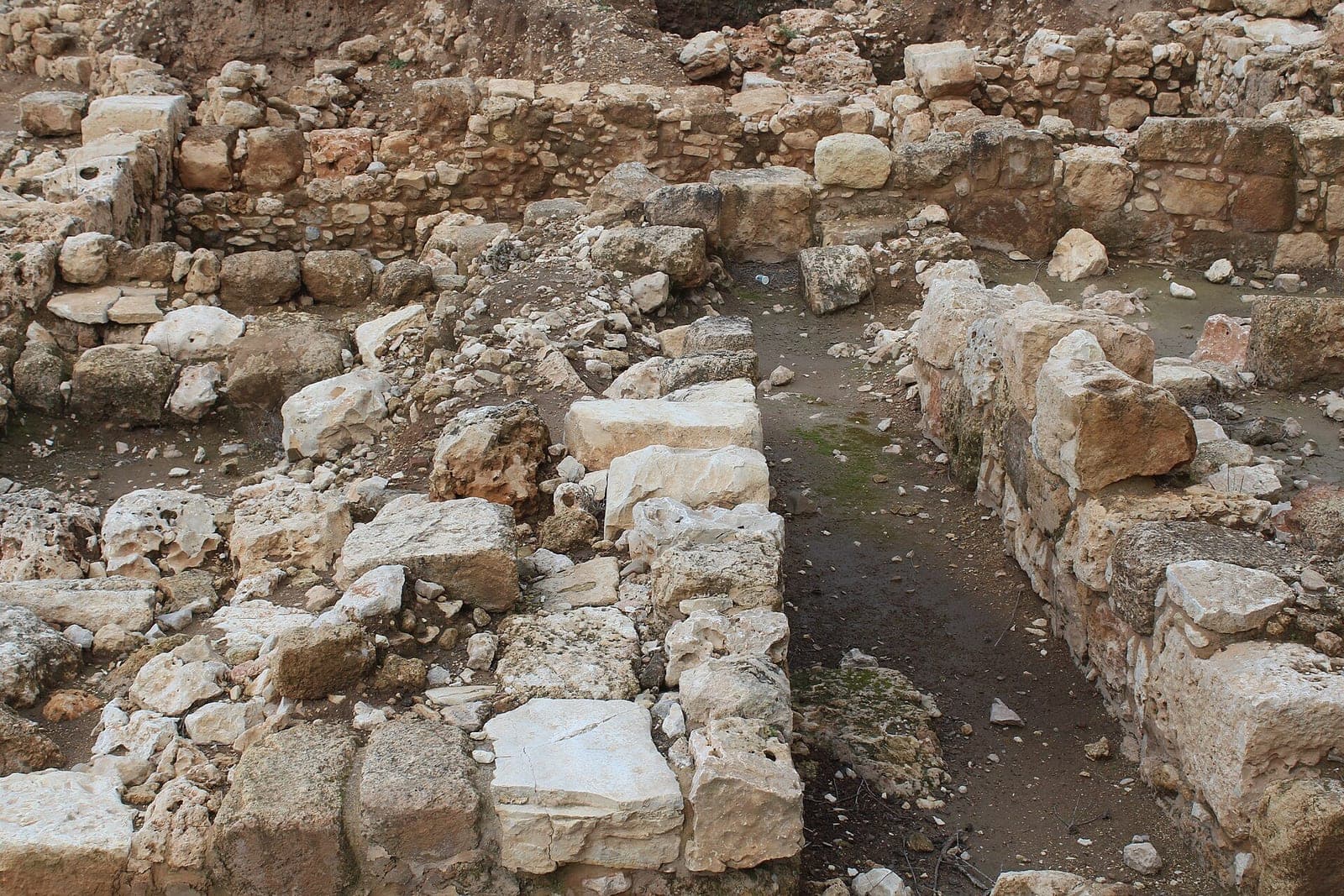
Photo: Deror Avi, via Wikimedia Commons. License: CC BY-SA 4.0. Source. Location: Tel Shiloh archaeological site, West Bank. Resized for the web.
Explore the places of the Bible
See where biblical events happened, why each place matters, and what archaeology helps us understand.
Shiloh
Where Israel set up the tabernacle, and where God called the boy Samuel.
Get full access with one subscription
Explore the people and places of the Bible. Read summaries of every book, with images and clear explanations covering every chapter. Access all these features and our Bible study tools with one subscription.
See PlansAsk AI about Isaiah 38:12
Ask a question about this verse and get a clear answer, with Bible references you can read for yourself.
Every Bible book, explained chapter by chapter
Explore summaries of every book of the Bible, with images and easy-to-understand explanations covering every chapter.
Keep studying Isaiah 38:12
Related Bible verses
Key themes
Related topics
At a Glance — the Book of Isaiah
- Author
- Isaiah the prophet
- Written
- Around 700 BC
- Genre
- Prophecy
- Original Audience
- Judah and the surrounding nations
Frequently Asked Questions
Quick, clear answers about this verse
What does Isaiah 38:12 mean?
Isaiah 38:12 reflects on the brevity of life, comparing it to a shepherd's tent that can be quickly dismantled. It emphasizes how life can be abruptly cut short, highlighting the inevitability of death and the pain of illness.
What is the significance of the shepherd's tent in Isaiah 38:12?
The shepherd's tent in Isaiah 38:12 symbolizes the temporary and fragile nature of life. Just as a tent can be easily taken down, our lives can change or end unexpectedly.
What does 'pining sickness' refer to in Isaiah 38:12?
In Isaiah 38:12, 'pining sickness' refers to a slow and painful decline in health. It underscores the suffering that can accompany illness and the feeling of life gradually coming to an end.
How does Isaiah 38:12 relate to the theme of mortality?
Isaiah 38:12 addresses mortality by illustrating how quickly life can be taken away. The verse serves as a reminder of life's fragility and the importance of valuing our time.
Daily Verse — straight to your inbox
A verse and a 2-sentence plain-English explanation, every morning. Free. Unsubscribe anytime.