Old Testament
Isaiah 39:7
Read the Bible in clear, modern English—easy to understand, faithful to the meaning, and written for everyday readers.
Some of your sons, who will come from you and whom you will father, will be taken away. They will be eunuchs in the palace of the king of Babylon.
Compare translations
And of thy sons that shall issue from thee, which thou shalt beget, shall they take away; and they shall be eunuchs in the palace of the king of Babylon.
What Isaiah 39:7 means
Plain-English insight for readers
In this verse, the prophet Isaiah delivers a sobering message to King Hezekiah. He tells the king that some of his descendants will be taken captive by the Babylonians and will serve as eunuchs in the king's palace. This indicates a loss of freedom and a significant change in their status, as they will be forced to serve in a foreign land. The mention of eunuchs suggests that they will not have families of their own, which would have been a source of great sorrow in that culture. This prophecy serves as a warning about the consequences of pride and the importance of humility before God. It highlights the reality of exile and the impact of national sin, showing that the actions of one generation can affect future generations. The verse emphasizes the seriousness of the situation and the need for the people to turn back to God to avoid such dire consequences.
How to apply Isaiah 39:7 to your life
This verse reminds us of the importance of humility and the potential consequences of our actions. We should be mindful of how our choices can impact future generations. It encourages us to seek God's guidance and to live in a way that honors Him, avoiding pride and turning away from sin.
Curated for this public verse page. Isaiah Summary
Learn the Bible through its people and places
Get to know the people in Scripture through illustrated stories, and explore the places where they lived and traveled.
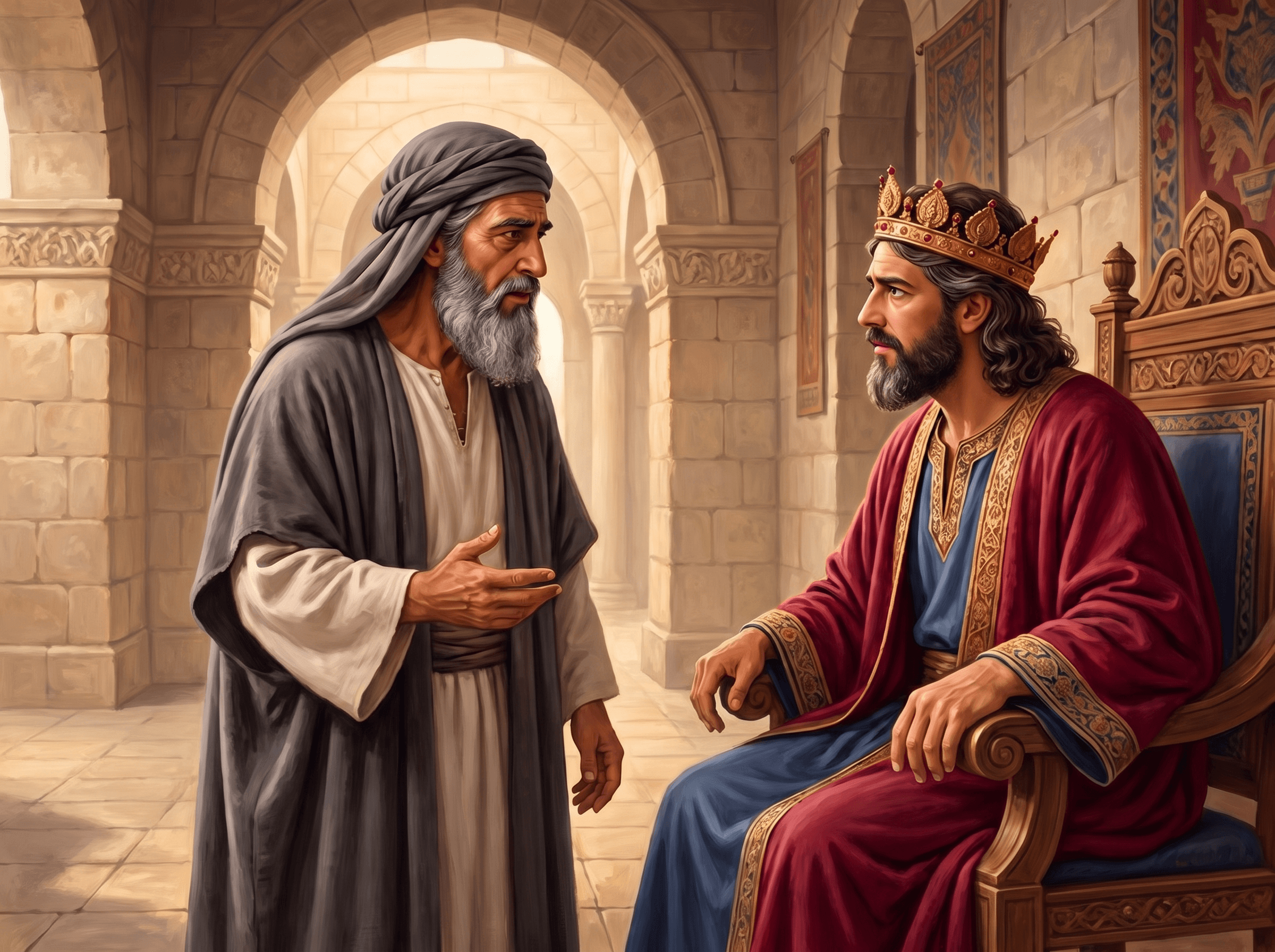
Illustrated scene from Isaiah's story: Envoys from Babylon (Isaiah 39:1–8)
Meet the people of the Bible
Follow their lives in order, with illustrated scenes and Bible passages that tell their stories.
 Isaiah

Photo: Zeev Stein / PikiWiki Israel, via Wikimedia Commons. License: CC BY 2.5. Source. Location: Tel Beer Sheva National Park, Israel. Resized for the web.
Explore the places of the Bible
See where biblical events happened, why each place matters, and what archaeology helps us understand.
Beersheba
Where Abraham and Isaac dug wells and worshiped the LORD, at the southern edge of the land.
Get full access with one subscription
Explore the people and places of the Bible. Read summaries of every book, with images and clear explanations covering every chapter. Access all these features and our Bible study tools with one subscription.
See PlansAsk AI about Isaiah 39:7
Ask a question about this verse and get a clear answer, with Bible references you can read for yourself.
Every Bible book, explained chapter by chapter
Explore summaries of every book of the Bible, with images and easy-to-understand explanations covering every chapter.
Keep studying Isaiah 39:7
Related Bible verses
Key themes
Related topics
At a Glance — the Book of Isaiah
- Author
- Isaiah the prophet
- Written
- Around 700 BC
- Genre
- Prophecy
- Original Audience
- Judah and the surrounding nations
Frequently Asked Questions
Quick, clear answers about this verse
What does Isaiah 39:7 mean for King Hezekiah?
Isaiah 39:7 serves as a warning to King Hezekiah about the consequences of his pride and actions. The prophet Isaiah tells him that some of his descendants will be taken captive by the Babylonians and made eunuchs in the king's palace. This signifies a loss of freedom and family lineage, highlighting the serious repercussions of national sin and the importance of humility before God.
Why were the sons taken as eunuchs in Babylon?
In ancient times, eunuchs were often employed in royal courts to serve as trusted officials or servants. They were typically castrated to ensure loyalty and prevent them from starting their own families, which could threaten the royal lineage. The taking of Hezekiah's sons as eunuchs symbolizes the loss of their freedom and the tragic consequences of Israel's disobedience to God.
What lessons can we learn from Isaiah 39:7?
Isaiah 39:7 teaches us about the importance of humility and the potential long-term consequences of our actions. It reminds us that our choices can affect not only our lives but also the lives of future generations. The verse encourages us to seek God's guidance, avoid pride, and turn away from sin to prevent dire outcomes.
How does Isaiah 39:7 relate to the theme of exile?
Isaiah 39:7 directly relates to the theme of exile by predicting the captivity of Hezekiah's descendants in Babylon. This foreshadows the larger exile of the Israelites due to their disobedience to God. The verse illustrates the painful reality of being taken from one's homeland and the loss of family ties, emphasizing the consequences of turning away from God's commands.
Daily Verse — straight to your inbox
A verse and a 2-sentence plain-English explanation, every morning. Free. Unsubscribe anytime.