Isaiah 7:6
"Let's invade Judah and terrorize it. We'll break through its defenses, carve it up for ourselves, and install the son of Tabeal as its king."
What Isaiah 7:6 means
Plain-English insight for readers
In this verse, two kings, Rezin of Aram and Pekah of Israel, are plotting to attack Judah. Their plan is to invade, create chaos, and install a puppet king, the son of Tabeal, to control Judah. This reflects their desire for power and dominance over the region. The mention of terrorizing Judah indicates their intent to instill fear and disrupt the stability of the kingdom. This situation sets the stage for a significant conflict in the history of Israel and Judah, highlighting the political tensions of the time. The verse illustrates the challenges faced by Judah and foreshadows the need for divine intervention, which is a recurring theme in the book of Isaiah. The actions of these kings demonstrate the human tendency to seek control through force, often leading to suffering and instability. This moment in history serves as a reminder of the consequences of political ambition and the importance of faith in God during turbulent times.
How to apply Isaiah 7:6 to your life
This verse reminds us of the dangers of ambition and the lengths to which people will go for power. In our lives, we should seek to build relationships based on trust and integrity rather than manipulation. Trusting in God can provide strength during challenging times.
In the King James Version
Let us go up against Judah, and vex it, and let us make a breach therein for us, and set a king in the midst of it, even the son of Tabeal:
Ask about this verse
Ask anything about Isaiah 7:6 and get a clear answer from Scripture.
Have a question about this verse? Explore it with ClearBible.
Premium answers your questions about any verse from Scripture itself, shows the verses it rests on, and opens Clear on every passage. You also get all 66 book summaries.
7 days free, then $99/year. Card required. Cancel anytime.
Learn the Bible through its people and places
Get to know the people in Scripture through illustrated stories, and explore the places where they lived and traveled.

Illustrated scene from Isaiah's story: A Sign for Ahaz (Isaiah 7:1–17)
Meet the people of the Bible
Follow their lives in order, with illustrated scenes and Bible passages that tell their stories.
 Isaiah
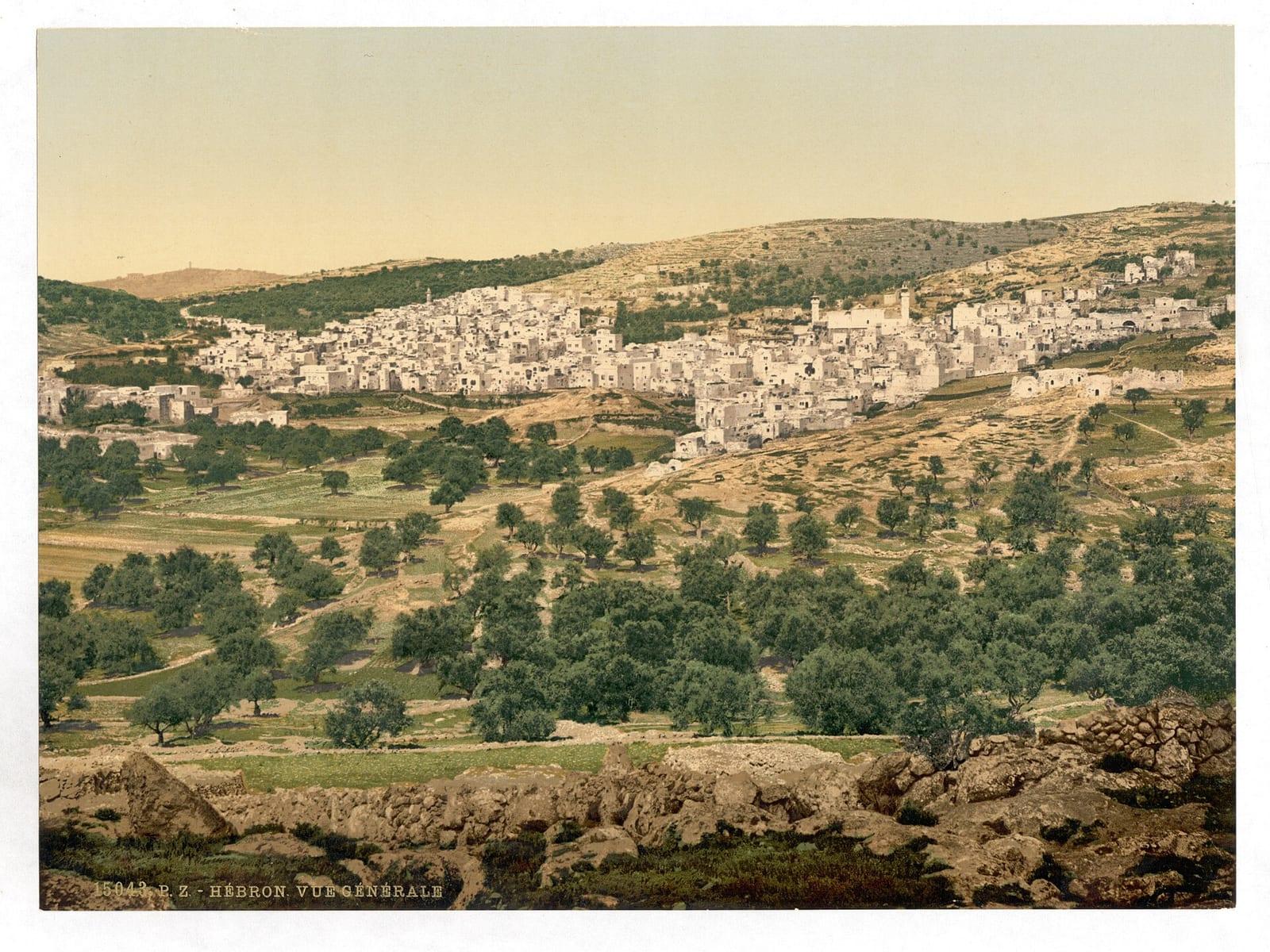
Photo: Photochrom print, Library of Congress Prints and Photographs Division (LCCN 2002724987). License: Public domain in the United States; Library of Congress states no known restrictions on publication. Source. Location: Hebron, West Bank; print preserved by the Library of Congress. Resized for the web.
Explore the places of the Bible
See where biblical events happened, why each place matters, and what archaeology helps us understand.
Hebron
Where Abraham lived and buried Sarah, and where David was first made king.
Every Bible book, explained chapter by chapter
Explore summaries of every book of the Bible, with images and easy-to-understand explanations covering every chapter.
Keep studying Isaiah 7:6
Related Bible verses
Key themes
Related topics
At a Glance — the Book of Isaiah
- Author
- Isaiah the prophet
- Written
- Around 700 BC
- Genre
- Prophecy
- Original Audience
- Judah and the surrounding nations
Frequently Asked Questions
Quick, clear answers about this verse
What does Isaiah 7:6 mean?
Isaiah 7:6 describes a plot by two kings, Rezin of Aram and Pekah of Israel, to invade Judah, create chaos, and install a puppet king, the son of Tabeal. This reflects their ambition for power and the political instability of the time.
What is the significance of the son of Tabeal in Isaiah 7:6?
The son of Tabeal is mentioned as the puppet king that Rezin and Pekah plan to install in Judah. His role symbolizes the manipulation of leadership for political gain and the undermining of Judah's sovereignty.
What themes are present in Isaiah 7:6?
Key themes in Isaiah 7:6 include political intrigue, fear and terror, divine intervention, power struggles, and the concept of puppet kings. These themes reflect the historical context and the moral lessons about ambition and trust.
How does Isaiah 7:6 relate to faith in God?
Isaiah 7:6 illustrates the human tendency to seek control through force, which often leads to suffering. It serves as a reminder of the importance of faith in God during times of political turmoil and uncertainty.
Daily Verse — straight to your inbox
A verse and a 2-sentence plain-English explanation, every morning. Free. Unsubscribe anytime.