New Testament
James 2:3
Read the Bible in clear, modern English—easy to understand, faithful to the meaning, and written for everyday readers.
If you give special attention to the well-dressed man and say, "Here, take this excellent seat," but tell the poor man, "Stand over there," or "Sit on the floor by my feet" —
Compare translations
And ye have respect to him that weareth the gay clothing, and say unto him, Sit thou here in a good place; and say to the poor, Stand thou there, or sit here under my footstool:
What James 2:3 means
Plain-English insight for readers
In this verse, James addresses the issue of favoritism based on outward appearances. He illustrates a scenario where a person shows preferential treatment to a wealthy, well-dressed individual by offering them a good seat, while treating a poor person with disdain, suggesting they stand or sit on the floor. This behavior highlights a common human tendency to judge others based on their social status or appearance rather than their character or worth. James is emphasizing that such discrimination is wrong and goes against the principles of equality and love that should govern the behavior of believers. The underlying message is that all individuals, regardless of their economic status, deserve respect and dignity. This teaching challenges readers to reflect on their own attitudes and behaviors towards others, urging them to practice impartiality and kindness, embodying the love of Christ in their interactions.
How to apply James 2:3 to your life
To apply this teaching, we should consciously avoid showing favoritism in our daily interactions. Treat everyone with equal respect, regardless of their appearance or social status. This can be practiced by welcoming all individuals into our communities and showing kindness to those who may be marginalized or overlooked.
Curated for this public verse page. James Summary
Explore more of the Bible
Learn the Bible through its people and places
Get to know the people in Scripture through illustrated stories, and explore the places where they lived and traveled.

Illustrated scene from Jesus's story: An Angel Visits Mary (Luke 1:26–38)
Meet the people of the Bible
Follow their lives in order, with illustrated scenes and Bible passages that tell their stories.
 Jesus
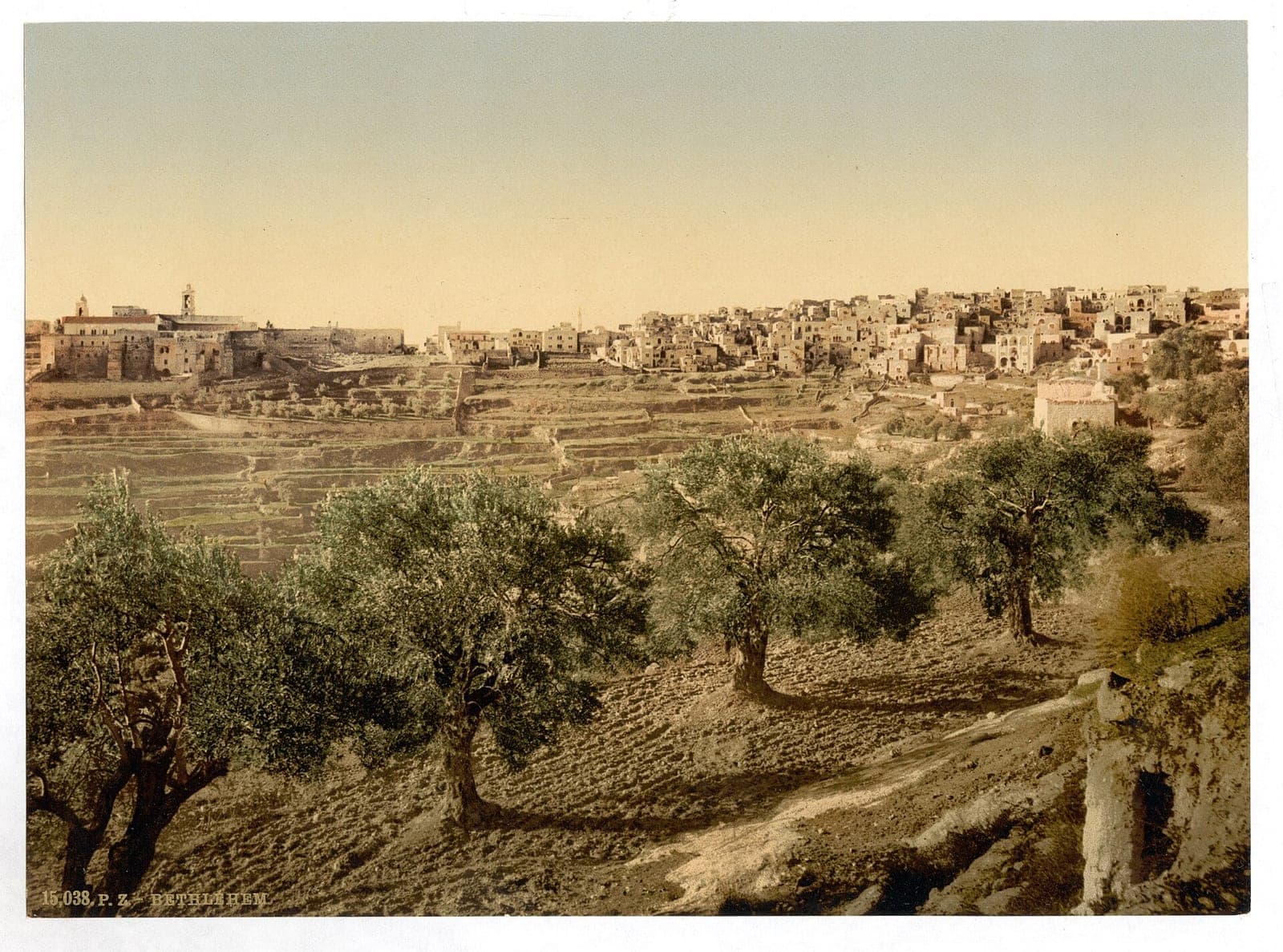
Photo: Photochrom print, Library of Congress Prints and Photographs Division (LCCN 2002724966). License: Public domain in the United States; Library of Congress states no known restrictions on publication. Source. Location: Bethlehem, West Bank; print preserved by the Library of Congress. Resized for the web.
Explore the places of the Bible
See where biblical events happened, why each place matters, and what archaeology helps us understand.
Bethlehem
David's hometown, and the town where Jesus was born.
Get full access with one subscription
Explore the people and places of the Bible. Read summaries of every book, with images and clear explanations covering every chapter. Access all these features and our Bible study tools with one subscription.
See PlansAsk AI about James 2:3
Ask a question about this verse and get a clear answer, with Bible references you can read for yourself.
Every Bible book, explained chapter by chapter
Explore summaries of every book of the Bible, with images and easy-to-understand explanations covering every chapter.
Keep studying James 2:3
At a Glance — the Book of James
- Author
- James, the brother of Jesus
- Written
- Around AD 45-50
- Genre
- Letter (epistle)
- Original Audience
- Jewish Christians scattered abroad
Frequently Asked Questions
Quick, clear answers about this verse
What does James 2:3 mean?
James 2:3 addresses the issue of favoritism, showing how people often give preferential treatment to those who are wealthy or well-dressed while neglecting the poor. It highlights the wrongness of judging others based on their appearance or social status.
What is the meaning of favoritism in James 2:3?
Favoritism in James 2:3 refers to the unfair practice of treating individuals differently based on their outward appearance or wealth. The verse illustrates how this behavior contradicts the values of equality and respect that should be upheld.
How can I apply James 2:3 in my life?
To apply James 2:3, consciously treat everyone with equal respect and kindness, regardless of their appearance or social status. This can involve welcoming all individuals and being mindful of how you interact with those who may be marginalized.
What does James 2:3 teach about social status?
James 2:3 teaches that social status should not influence how we treat others. It encourages believers to reject favoritism and to recognize the inherent worth of every individual, regardless of their economic situation.
Daily Verse — straight to your inbox
A verse and a 2-sentence plain-English explanation, every morning. Free. Unsubscribe anytime.