Old Testament
Jeremiah 20:8
Read the Bible in clear, modern English—easy to understand, faithful to the meaning, and written for everyday readers.
For since I began to speak, I have cried out, shouting about violence and destruction; because the word of the LORD has brought me ridicule and mockery every day.
Compare translations
For since I spake, I cried out, I cried violence and spoil; because the word of the LORD was made a reproach unto me, and a derision, daily.
What Jeremiah 20:8 means
Plain-English insight for readers
In this verse, the prophet Jeremiah expresses his deep anguish over the message he has been given by God. Since he started proclaiming God's word, he has faced constant ridicule and mockery from the people. His messages of impending violence and destruction have not only been unpopular but have also made him a target for scorn. Jeremiah feels the weight of his calling, as the truth he speaks brings him personal suffering. Despite the pain of being mocked, he remains committed to delivering God's message, highlighting the challenges faced by those who stand for truth in a world that often rejects it. This verse captures the struggle of being a messenger of God in a hostile environment, where the truth can lead to personal suffering and social isolation.
How to apply Jeremiah 20:8 to your life
Jeremiah's experience reminds us that speaking the truth can lead to challenges and opposition. We should be prepared to face ridicule for our beliefs but remain steadfast in our commitment to God's message. This encourages us to support one another in faith and to stand firm in our convictions, even when it's difficult.
Curated for this public verse page. Jeremiah Summary
Explore more of the Bible
Learn the Bible through its people and places
Get to know the people in Scripture through illustrated stories, and explore the places where they lived and traveled.

Illustrated scene from Ruth's story: Three Widows (Ruth 1:1–5)
Meet the people of the Bible
Follow their lives in order, with illustrated scenes and Bible passages that tell their stories.
 Ruth
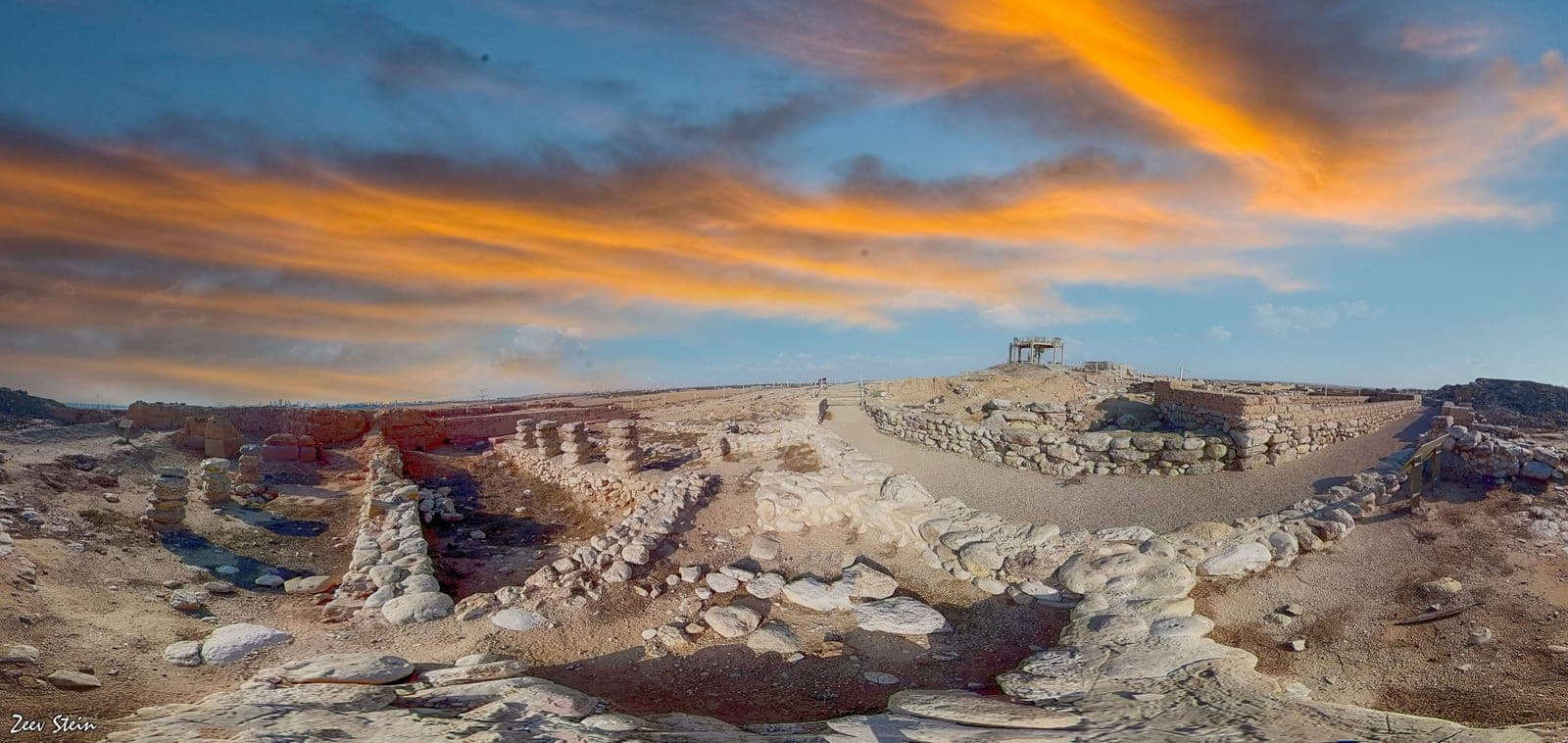
Photo: Zeev Stein / PikiWiki Israel, via Wikimedia Commons. License: CC BY 2.5. Source. Location: Tel Beer Sheva National Park, Israel. Resized for the web.
Explore the places of the Bible
See where biblical events happened, why each place matters, and what archaeology helps us understand.
Beersheba
Where Abraham and Isaac dug wells and worshiped the LORD, at the southern edge of the land.
Get full access with one subscription
Explore the people and places of the Bible. Read summaries of every book, with images and clear explanations covering every chapter. Access all these features and our Bible study tools with one subscription.
See PlansAsk AI about Jeremiah 20:8
Ask a question about this verse and get a clear answer, with Bible references you can read for yourself.
Every Bible book, explained chapter by chapter
Explore summaries of every book of the Bible, with images and easy-to-understand explanations covering every chapter.
Keep studying Jeremiah 20:8
Related Bible verses
Key themes
Related topics
At a Glance — the Book of Jeremiah
- Author
- Jeremiah the prophet, with Baruch
- Written
- Around 600 BC
- Genre
- Prophecy
- Original Audience
- Judah before and during the Babylonian exile
Frequently Asked Questions
Quick, clear answers about this verse
What does Jeremiah 20:8 mean?
Jeremiah 20:8 expresses the prophet's sorrow over the ridicule he faces for delivering God's message of violence and destruction. He feels mocked daily because his words, meant to warn the people, have made him a target of scorn.
What is the significance of mockery in Jeremiah 20:8?
The mockery Jeremiah experiences highlights the challenges prophets face when delivering unpopular truths. It emphasizes the personal cost of speaking God's word in a society that often rejects it.
What themes are present in Jeremiah 20:8?
Key themes in Jeremiah 20:8 include prophetic calling, suffering for truth, and the consequences of delivering a divine message. It illustrates the courage required to stand firm in faith despite opposition.
How does Jeremiah 20:8 relate to suffering for truth?
Jeremiah 20:8 illustrates that speaking the truth can lead to personal suffering, as the prophet endures ridicule for his messages. This reflects the broader reality that truth-tellers often face backlash in a resistant society.
Daily Verse — straight to your inbox
A verse and a 2-sentence plain-English explanation, every morning. Free. Unsubscribe anytime.