Old Testament
Jeremiah 31:20
Read the Bible in clear, modern English—easy to understand, faithful to the meaning, and written for everyday readers.
Is Ephraim not my precious son? Is he not a child I delight in? Even though I often speak against him, I still think about him constantly. Therefore, I am deeply moved for him. I will surely have mercy on him," declares the LORD.
Compare translations
Is Ephraim my dear son? is he a pleasant child? for since I spake against him, I do earnestly remember him still: therefore my bowels are troubled for him; I will surely have mercy upon him, saith the LORD.
What Jeremiah 31:20 means
Plain-English insight for readers
In this verse, God expresses His deep love and concern for Ephraim, representing the northern kingdom of Israel. Despite their disobedience and the judgment He has spoken against them, God still sees Ephraim as His beloved child. His feelings are intense, as indicated by the phrase 'my bowels are troubled,' which reflects a deep emotional response. God reassures that His mercy will prevail, showing that His love is steadfast even in the face of rebellion. This highlights the tension between divine justice and mercy, illustrating that while God may discipline, His ultimate desire is for restoration and reconciliation with His people. The verse serves as a reminder of God's unwavering commitment to His relationship with His people, emphasizing that His love endures despite their failures.
How to apply Jeremiah 31:20 to your life
This verse encourages us to remember that no matter how far we stray, God's love and mercy are always available. We should reflect on our relationship with God, recognizing that He desires our return and restoration. It reminds us to extend grace to others, just as God extends grace to us.
Curated for this public verse page. Jeremiah Summary
Explore more of the Bible
Learn the Bible through its people and places
Get to know the people in Scripture through illustrated stories, and explore the places where they lived and traveled.

Illustrated scene from Esther's story: Esther Becomes Queen (Esther 2:1–18)
Meet the people of the Bible
Follow their lives in order, with illustrated scenes and Bible passages that tell their stories.
 Esther
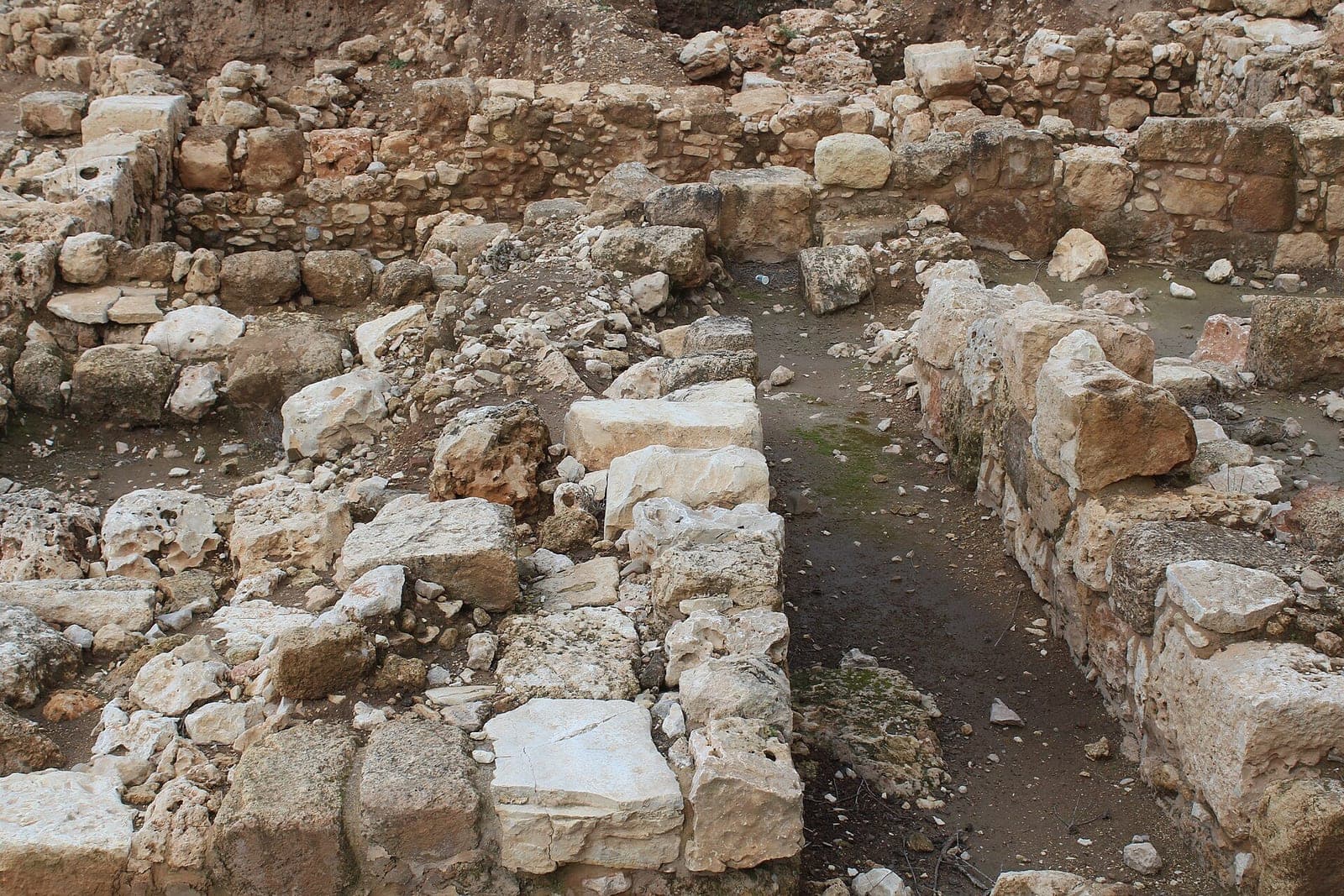
Photo: Deror Avi, via Wikimedia Commons. License: CC BY-SA 4.0. Source. Location: Tel Shiloh archaeological site, West Bank. Resized for the web.
Explore the places of the Bible
See where biblical events happened, why each place matters, and what archaeology helps us understand.
Shiloh
Where Israel set up the tabernacle, and where God called the boy Samuel.
Get full access with one subscription
Explore the people and places of the Bible. Read summaries of every book, with images and clear explanations covering every chapter. Access all these features and our Bible study tools with one subscription.
See PlansAsk AI about Jeremiah 31:20
Ask a question about this verse and get a clear answer, with Bible references you can read for yourself.
Every Bible book, explained chapter by chapter
Explore summaries of every book of the Bible, with images and easy-to-understand explanations covering every chapter.
Keep studying Jeremiah 31:20
Related Bible verses
Key themes
Related topics
At a Glance — the Book of Jeremiah
- Author
- Jeremiah the prophet, with Baruch
- Written
- Around 600 BC
- Genre
- Prophecy
- Original Audience
- Judah before and during the Babylonian exile
Frequently Asked Questions
Quick, clear answers about this verse
What does Jeremiah 31:20 mean?
Jeremiah 31:20 expresses God's deep love and concern for Ephraim, symbolizing the northern kingdom of Israel. Despite their disobedience, God sees them as His beloved child and assures that His mercy will prevail, highlighting the balance between discipline and restoration.
What is the meaning of 'my bowels are troubled' in Jeremiah 31:20?
The phrase 'my bowels are troubled' in Jeremiah 31:20 reflects God's intense emotional response and compassion for Ephraim. It signifies deep feelings of love and concern, showing that God is moved by the plight of His people.
How does Jeremiah 31:20 relate to God's mercy?
Jeremiah 31:20 highlights God's mercy by showing that even when He speaks against His people, His love remains steadfast. It reassures that God's ultimate intention is to forgive and restore those who have strayed.
What themes are present in Jeremiah 31:20?
Key themes in Jeremiah 31:20 include God's love, divine mercy, the balance of discipline and restoration, emotional connection, and hope for redemption. These themes illustrate God's commitment to His relationship with His people.
Daily Verse — straight to your inbox
A verse and a 2-sentence plain-English explanation, every morning. Free. Unsubscribe anytime.