Old Testament
Jeremiah 42:14
Read the Bible in clear, modern English—easy to understand, faithful to the meaning, and written for everyday readers.
saying, 'No — we're going to Egypt, where we won't see any war, won't hear any battle trumpets, and won't go hungry. That's where we'll settle' —
Compare translations
Saying, No; but we will go into the land of Egypt, where we shall see no war, nor hear the sound of the trumpet, nor have hunger of bread; and there will we dwell:
What Jeremiah 42:14 means
Plain-English insight for readers
In this verse, the people are expressing their desire to flee to Egypt to escape the hardships they are facing in their own land. They believe that in Egypt, they will find safety from war, silence from the sounds of battle, and relief from hunger. This reflects a lack of faith in God's promises and a reliance on their own understanding of what will bring them peace and security. Their decision to go to Egypt symbolizes a rejection of God's guidance and a preference for worldly solutions to their problems. This choice ultimately leads them away from the path God intended for them, highlighting the dangers of seeking refuge in places or things that are not aligned with divine will.
How to apply Jeremiah 42:14 to your life
This verse serves as a reminder to trust in God's plan, even in difficult times. Instead of seeking comfort in worldly solutions, we should turn to God for guidance and support. Our faith can help us navigate challenges without resorting to fear-driven decisions that lead us away from His will.
Curated for this public verse page. Jeremiah Summary
Learn the Bible through its people and places
Get to know the people in Scripture through illustrated stories, and explore the places where they lived and traveled.

Illustrated scene from Jeremiah's story: Taken to Egypt (Jeremiah 42:1–43:7)
Meet the people of the Bible
Follow their lives in order, with illustrated scenes and Bible passages that tell their stories.
 Jeremiah
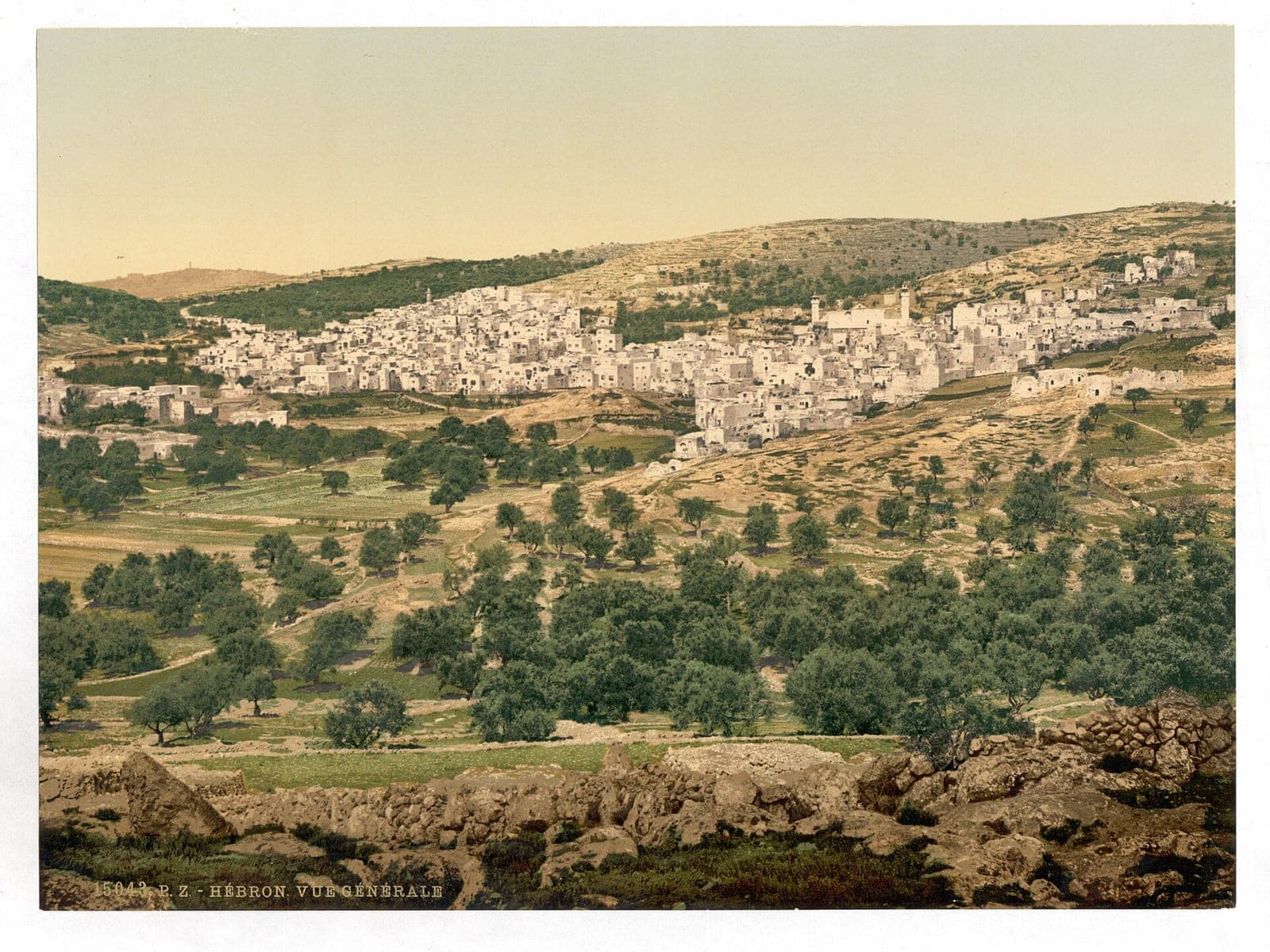
Photo: Photochrom print, Library of Congress Prints and Photographs Division (LCCN 2002724987). License: Public domain in the United States; Library of Congress states no known restrictions on publication. Source. Location: Hebron, West Bank; print preserved by the Library of Congress. Resized for the web.
Explore the places of the Bible
See where biblical events happened, why each place matters, and what archaeology helps us understand.
Hebron
Where Abraham lived and buried Sarah, and where David was first made king.
Get full access with one subscription
Explore the people and places of the Bible. Read summaries of every book, with images and clear explanations covering every chapter. Access all these features and our Bible study tools with one subscription.
See PlansAsk AI about Jeremiah 42:14
Ask a question about this verse and get a clear answer, with Bible references you can read for yourself.
Every Bible book, explained chapter by chapter
Explore summaries of every book of the Bible, with images and easy-to-understand explanations covering every chapter.
Keep studying Jeremiah 42:14
Related Bible verses
At a Glance — the Book of Jeremiah
- Author
- Jeremiah the prophet, with Baruch
- Written
- Around 600 BC
- Genre
- Prophecy
- Original Audience
- Judah before and during the Babylonian exile
Frequently Asked Questions
Quick, clear answers about this verse
What does Jeremiah 42:14 mean?
Jeremiah 42:14 shows the people's desire to escape their troubles by fleeing to Egypt, believing they will find safety and relief from war and hunger. This reflects their lack of faith in God's promises and their choice to rely on worldly solutions instead.
What is the significance of Egypt in Jeremiah 42:14?
In Jeremiah 42:14, Egypt symbolizes a place of refuge that the people mistakenly believe will provide safety and security. Their choice to go there represents a rejection of God's guidance and a reliance on human understanding.
What does the phrase 'we shall see no war' mean in Jeremiah 42:14?
The phrase 'we shall see no war' in Jeremiah 42:14 expresses the people's hope to escape conflict and violence by moving to Egypt. It highlights their desire for peace and security in a time of turmoil.
How does Jeremiah 42:14 relate to faith?
Jeremiah 42:14 illustrates a lack of faith as the people choose to flee to Egypt for safety instead of trusting in God's plan. Their decision reflects a common struggle to rely on worldly solutions rather than divine guidance.
Daily Verse — straight to your inbox
A verse and a 2-sentence plain-English explanation, every morning. Free. Unsubscribe anytime.