Old Testament
Job 1:16
Read the Bible in clear, modern English—easy to understand, faithful to the meaning, and written for everyday readers.
While he was still speaking, another also came and said, "The fire of God has fallen from heaven and has burned up the sheep and the servants and consumed them, and I alone have escaped to tell you."
Compare translations
While he was yet speaking, there came also another, and said, The fire of God is fallen from heaven, and hath burned up the sheep, and the servants, and consumed them; and I only am escaped alone to tell thee.
What Job 1:16 means
Plain-English insight for readers
In this verse, a messenger reports to Job about a devastating event. He describes how a fire, attributed to God, has fallen from the sky and destroyed Job's sheep and the servants tending to them. This calamity is significant as it highlights the suddenness and severity of Job's losses. The messenger emphasizes his own survival, stating that he is the only one who has escaped to deliver this tragic news. This moment sets the stage for the trials Job will face, illustrating the theme of suffering and the testing of faith. The phrase 'fire of God' suggests a divine intervention, raising questions about the nature of God's involvement in human suffering. This verse serves as a pivotal point in the narrative, showcasing the beginning of Job's profound challenges and the loss of his wealth and livelihood.
How to apply Job 1:16 to your life
When faced with unexpected hardships, remember that challenges can test our faith and resilience. Like Job, we may experience loss, but it is essential to seek support and maintain hope. Trust in a greater purpose can help us navigate through difficult times.
Curated for this public verse page. Job Summary
Learn the Bible through its people and places
Get to know the people in Scripture through illustrated stories, and explore the places where they lived and traveled.

Illustrated scene from Job's story: “The LORD Gave, and the LORD Hath Taken Away” (Job 1:6–22)
Meet the people of the Bible
Follow their lives in order, with illustrated scenes and Bible passages that tell their stories.
 Job
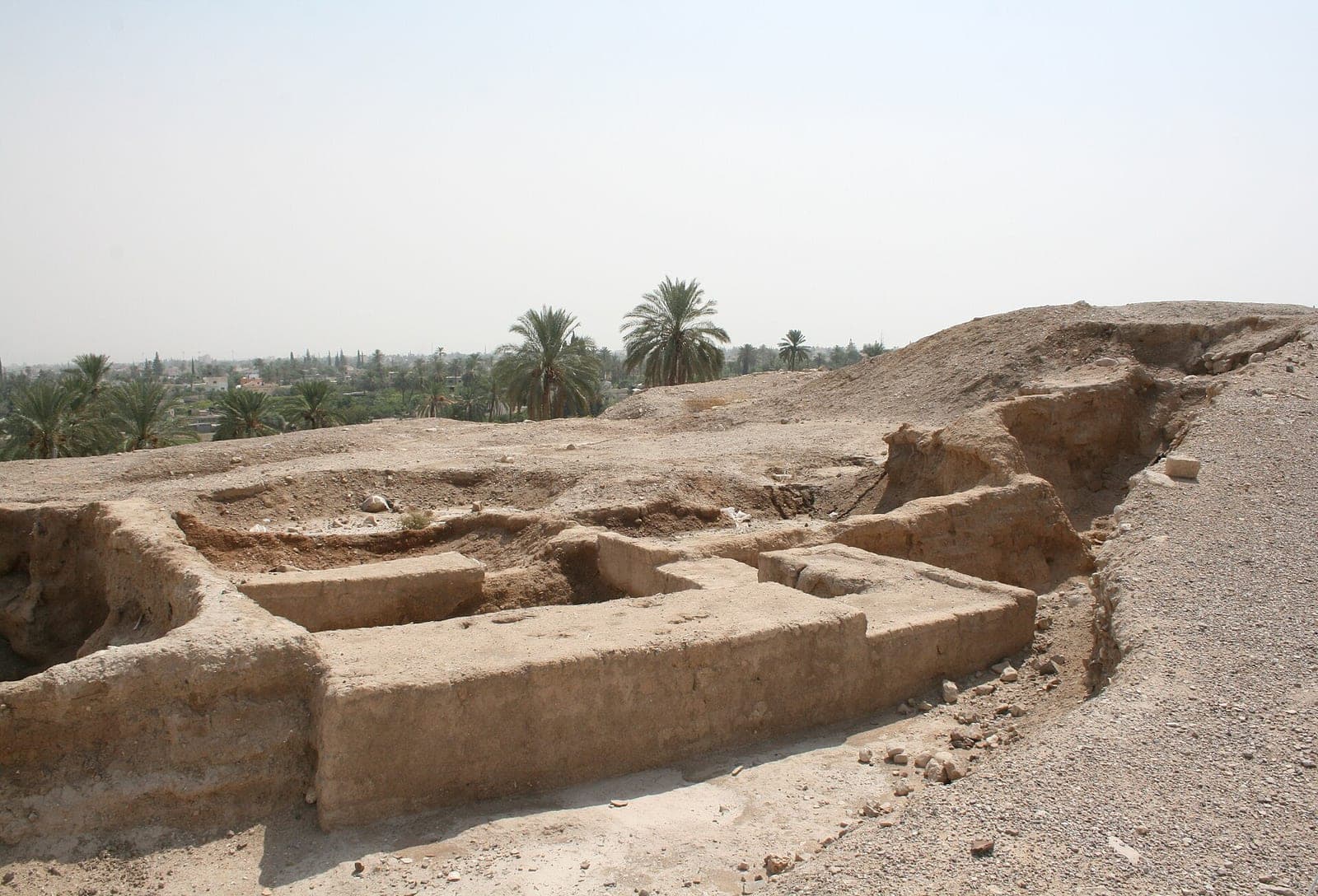
Photo: Diego Delso, via Wikimedia Commons. License: CC BY-SA 3.0. Source. Location: Tell es-Sultan, Jericho, West Bank. Resized for the web.
Explore the places of the Bible
See where biblical events happened, why each place matters, and what archaeology helps us understand.
Jericho
The city of palm trees, whose walls fell in Joshua's day.
Get full access with one subscription
Explore the people and places of the Bible. Read summaries of every book, with images and clear explanations covering every chapter. Access all these features and our Bible study tools with one subscription.
See PlansAsk AI about Job 1:16
Ask a question about this verse and get a clear answer, with Bible references you can read for yourself.
Every Bible book, explained chapter by chapter
Explore summaries of every book of the Bible, with images and easy-to-understand explanations covering every chapter.
Keep studying Job 1:16
Related Bible verses
Key themes
Related topics
At a Glance — the Book of Job
- Author
- Author unknown; events likely in the patriarchal era
- Written
- Date debated
- Genre
- Wisdom literature
- Original Audience
- All who suffer or question God
Frequently Asked Questions
Quick, clear answers about this verse
What does Job 1:16 mean?
Job 1:16 describes a messenger informing Job about a catastrophic event where fire from heaven has destroyed his sheep and servants. This verse highlights the suddenness of Job's losses and sets the stage for the trials he will face.
What is the meaning of 'fire of God' in Job 1:16?
The phrase 'fire of God' in Job 1:16 suggests a divine intervention that leads to destruction. It raises questions about God's role in human suffering and the nature of calamities that befall individuals.
Why does the messenger say he is the only one who escaped in Job 1:16?
The messenger claims he is the only one who escaped to tell Job about the disaster, highlighting the severity of the event and the isolation Job will feel in his suffering.
How does Job 1:16 relate to the overall story of Job?
Job 1:16 marks the beginning of Job's trials, illustrating the loss of his wealth and livelihood. It sets a tone of tragedy and suffering that permeates the entire narrative, focusing on faith under duress.
Daily Verse — straight to your inbox
A verse and a 2-sentence plain-English explanation, every morning. Free. Unsubscribe anytime.