Old Testament
Job 17:14
Read the Bible in clear, modern English—easy to understand, faithful to the meaning, and written for everyday readers.
I have said to corruption, 'You are my father'; to the worm, 'You are my mother, and my sister.'
Compare translations
I have said to corruption, Thou art my father: to the worm, Thou art my mother, and my sister.
What Job 17:14 means
Plain-English insight for readers
In this verse, Job expresses his deep despair and sense of hopelessness. By referring to corruption and the worm as his 'father' and 'mother,' he highlights his connection to death and decay. Job feels that his life is intertwined with suffering and mortality, suggesting that he sees no escape from his current state. This metaphor illustrates his emotional turmoil and the bleakness of his situation, as he confronts the reality of his impending death. Job's words reflect a profound sense of loss and abandonment, as he grapples with the idea that his only companions in this dark time are the symbols of death and decay. This stark imagery serves to emphasize the depth of his suffering and the isolation he feels in his plight, as he struggles to find meaning and hope amidst his trials.
How to apply Job 17:14 to your life
Job's expression of despair reminds us that it's okay to acknowledge our pain and struggles. In times of suffering, we can find solace in sharing our feelings with others and seeking support. Embracing vulnerability can lead to healing and connection, even in our darkest moments.
Curated for this public verse page. Job Summary
Explore more of the Bible
Learn the Bible through its people and places
Get to know the people in Scripture through illustrated stories, and explore the places where they lived and traveled.

Illustrated scene from Daniel's story: Faithful at the King's Table (Daniel 1:1–21)
Meet the people of the Bible
Follow their lives in order, with illustrated scenes and Bible passages that tell their stories.
 Daniel
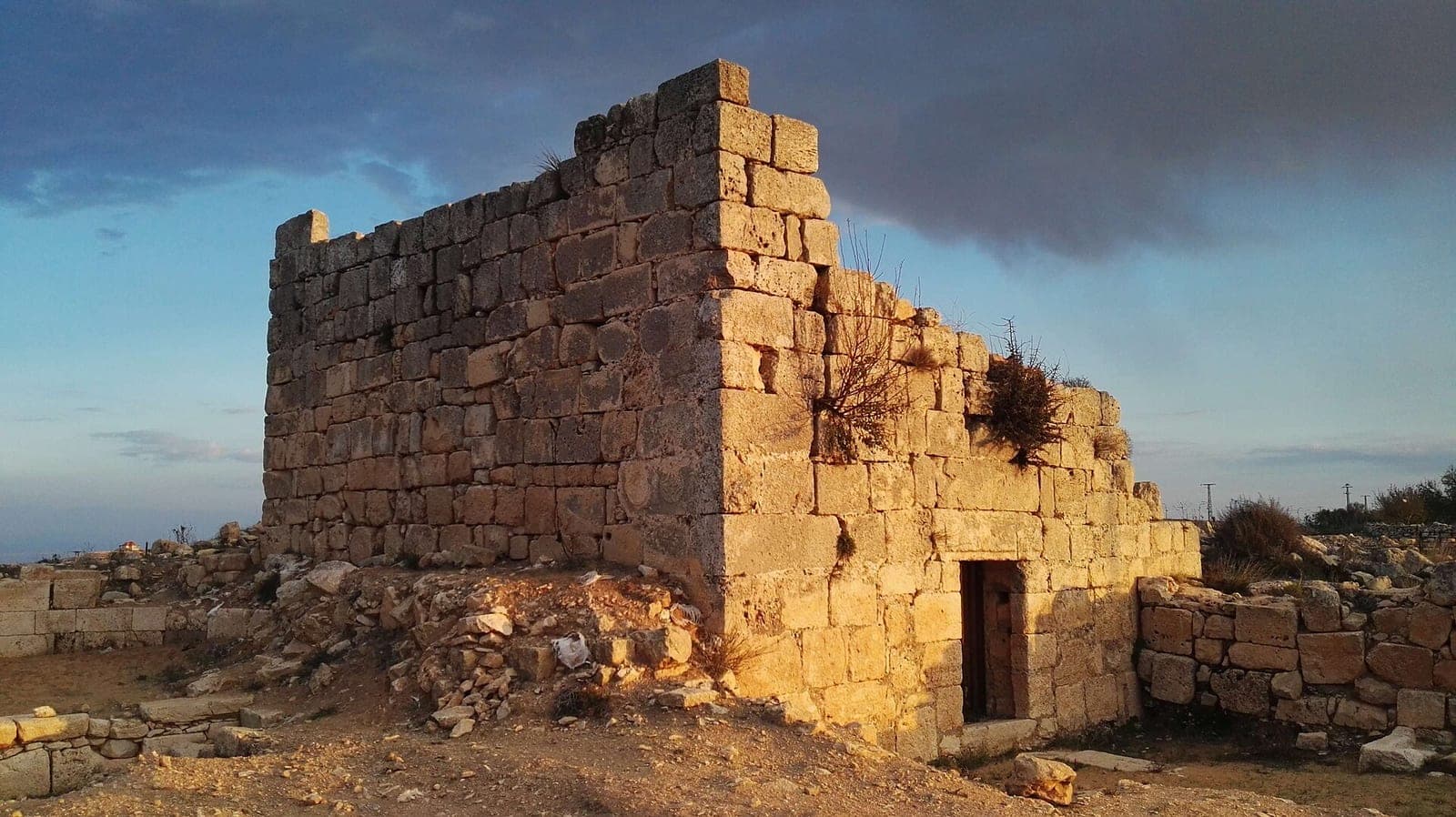
Photo: Bukvoed, via Wikimedia Commons. License: CC BY 4.0. Source. Location: Burj Beitin, Beitin, Ramallah and al-Bireh Governorate, West Bank. Resized for the web.
Explore the places of the Bible
See where biblical events happened, why each place matters, and what archaeology helps us understand.
Bethel
Where Jacob dreamed of a stairway to heaven and met God.
Get full access with one subscription
Explore the people and places of the Bible. Read summaries of every book, with images and clear explanations covering every chapter. Access all these features and our Bible study tools with one subscription.
See PlansAsk AI about Job 17:14
Ask a question about this verse and get a clear answer, with Bible references you can read for yourself.
Every Bible book, explained chapter by chapter
Explore summaries of every book of the Bible, with images and easy-to-understand explanations covering every chapter.
Keep studying Job 17:14
Related Bible verses
At a Glance — the Book of Job
- Author
- Author unknown; events likely in the patriarchal era
- Written
- Date debated
- Genre
- Wisdom literature
- Original Audience
- All who suffer or question God
Frequently Asked Questions
Quick, clear answers about this verse
What does Job 17:14 mean?
In Job 17:14, Job expresses his despair by referring to corruption and the worm as his 'father' and 'mother.' This illustrates his deep connection to death and decay, highlighting his feelings of hopelessness and isolation during his suffering.
What is the meaning of 'corruption' in Job 17:14?
In this verse, 'corruption' symbolizes decay and death. Job uses it to convey his sense of being overwhelmed by his mortality and the suffering he is experiencing.
How does Job 17:14 relate to themes of suffering?
Job 17:14 encapsulates the theme of suffering by showing Job's deep anguish and sense of abandonment. His metaphorical references to death highlight the intensity of his pain and the bleakness of his situation.
What can we learn from Job 17:14?
Job 17:14 teaches us that acknowledging our pain is important. It reminds us that expressing our struggles can lead to healing and connection, even in our darkest moments.
Daily Verse — straight to your inbox
A verse and a 2-sentence plain-English explanation, every morning. Free. Unsubscribe anytime.