Old Testament
Job 3:5
Read the Bible in clear, modern English—easy to understand, faithful to the meaning, and written for everyday readers.
Let darkness and the shadow of death stain it. Let a cloud dwell upon it, and let the blackness of the day terrify it.
Compare translations
Let darkness and the shadow of death stain it; let a cloud dwell upon it; let the blackness of the day terrify it.
What Job 3:5 means
Plain-English insight for readers
In Job 3:5, Job expresses his deep anguish and despair over his birth. He wishes for darkness to overshadow the day he was born, symbolizing his desire for that day to be erased from existence. The 'shadow of death' signifies the ultimate despair and hopelessness he feels. Job's plea for clouds and darkness to envelop his birthday reflects his overwhelming sorrow and the feeling that his life has been filled with suffering. This verse captures the intensity of Job's emotional pain as he grapples with his circumstances, wishing that he had never been born. It highlights the theme of suffering and the human desire to escape pain, illustrating how profound grief can lead one to wish for non-existence. Job's lamentation serves as a powerful reminder of the depths of human despair and the struggle to find meaning in suffering.
How to apply Job 3:5 to your life
When faced with overwhelming sorrow, it's important to acknowledge our feelings rather than suppress them. Job's expression of grief teaches us that it's okay to voice our pain and seek support from others. Finding healthy outlets for our emotions can lead to healing.
Curated for this public verse page. Job Summary
Learn the Bible through its people and places
Get to know the people in Scripture through illustrated stories, and explore the places where they lived and traveled.

Illustrated scene from Job's story: Job Curses His Day (Job 3:1–26)
Meet the people of the Bible
Follow their lives in order, with illustrated scenes and Bible passages that tell their stories.
 Job
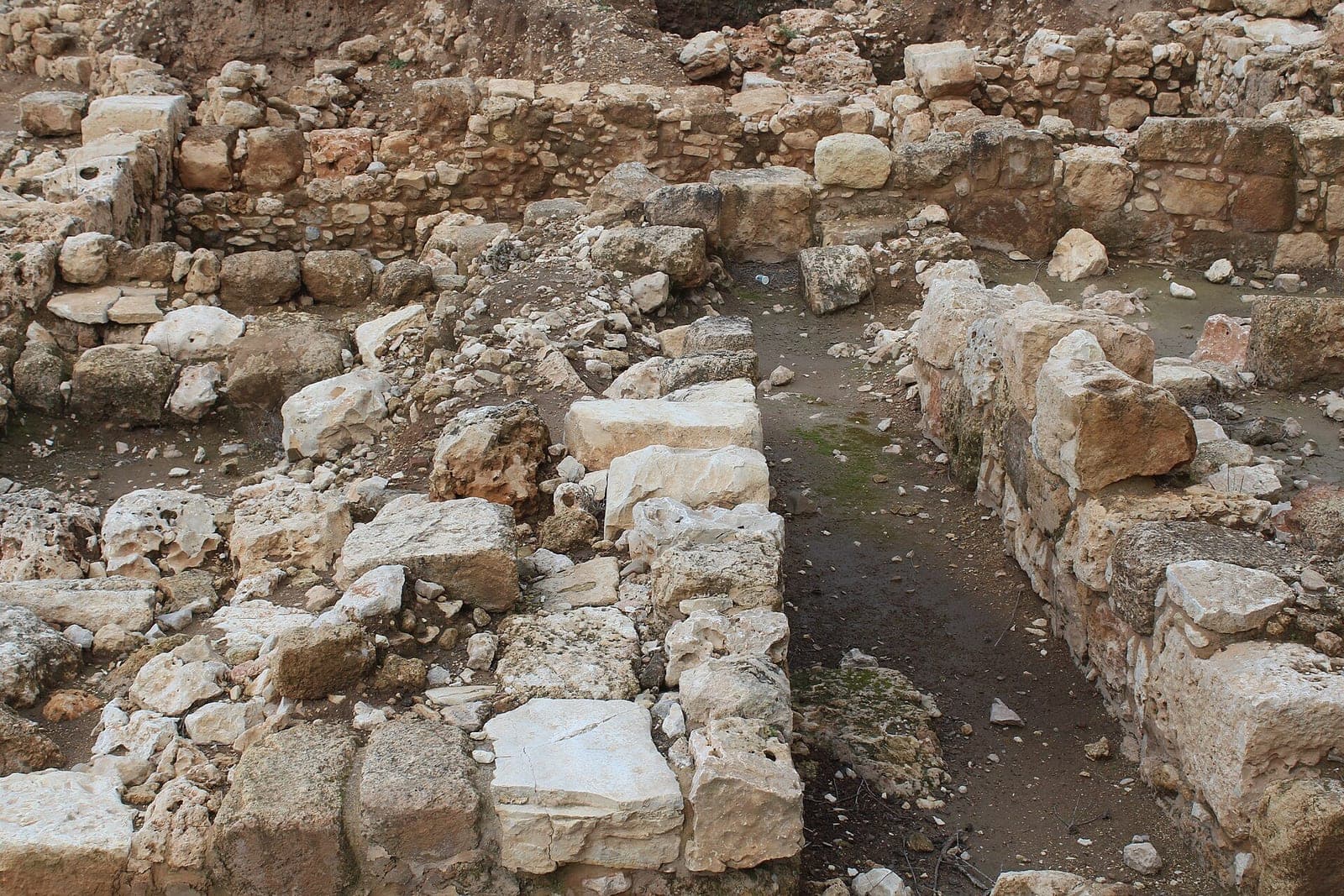
Photo: Deror Avi, via Wikimedia Commons. License: CC BY-SA 4.0. Source. Location: Tel Shiloh archaeological site, West Bank. Resized for the web.
Explore the places of the Bible
See where biblical events happened, why each place matters, and what archaeology helps us understand.
Shiloh
Where Israel set up the tabernacle, and where God called the boy Samuel.
Get full access with one subscription
Explore the people and places of the Bible. Read summaries of every book, with images and clear explanations covering every chapter. Access all these features and our Bible study tools with one subscription.
See PlansAsk AI about Job 3:5
Ask a question about this verse and get a clear answer, with Bible references you can read for yourself.
Every Bible book, explained chapter by chapter
Explore summaries of every book of the Bible, with images and easy-to-understand explanations covering every chapter.
Keep studying Job 3:5
Related Bible verses
At a Glance — the Book of Job
- Author
- Author unknown; events likely in the patriarchal era
- Written
- Date debated
- Genre
- Wisdom literature
- Original Audience
- All who suffer or question God
Frequently Asked Questions
Quick, clear answers about this verse
What does Job 3:5 mean?
Job 3:5 reflects Job's deep sorrow and wish that the day of his birth be overshadowed by darkness. He expresses a desire for that day to be erased, symbolizing his profound despair and hopelessness.
What is the significance of 'darkness' in Job 3:5?
In Job 3:5, 'darkness' symbolizes Job's intense grief and the wish for his suffering to be hidden. It represents his desire to escape the pain associated with his existence.
What does 'shadow of death' refer to in Job 3:5?
The 'shadow of death' in Job 3:5 signifies the ultimate despair and hopelessness that Job feels. It highlights the severity of his emotional pain and the depths of his suffering.
What themes are present in Job 3:5?
Job 3:5 encompasses themes of despair, suffering, grief, and existential reflection. It illustrates the struggle with overwhelming sorrow and the desire to escape pain.
Daily Verse — straight to your inbox
A verse and a 2-sentence plain-English explanation, every morning. Free. Unsubscribe anytime.