Old Testament
Job 38:12
Read the Bible in clear, modern English—easy to understand, faithful to the meaning, and written for everyday readers.
Have you commanded the morning since your days began, and caused the dawn to know its place?
Compare translations
Hast thou commanded the morning since thy days; and caused the dayspring to know his place;
What Job 38:12 means
Plain-English insight for readers
In this verse, God is speaking to Job, challenging him to consider his own limitations compared to God's power. The question about commanding the morning highlights God's authority over creation. It suggests that only God can dictate the natural order, such as the rising of the sun. The phrase 'caused the dawn to know its place' implies that God has established boundaries and roles within creation. This verse serves to remind Job of his human limitations and the vastness of God's wisdom and control over the universe. It emphasizes that while humans may have influence in their lives, they do not possess the power to command the fundamental elements of nature. This serves as a humbling reminder of the divine order and God's sovereignty over all things.
How to apply Job 38:12 to your life
This verse encourages us to recognize our place in the world and the limits of our control. It reminds us to trust in God's plan and timing, especially when we face challenges. Acknowledging God's authority can bring peace and perspective in our daily lives.
Curated for this public verse page. Job Summary
Learn the Bible through its people and places
Get to know the people in Scripture through illustrated stories, and explore the places where they lived and traveled.
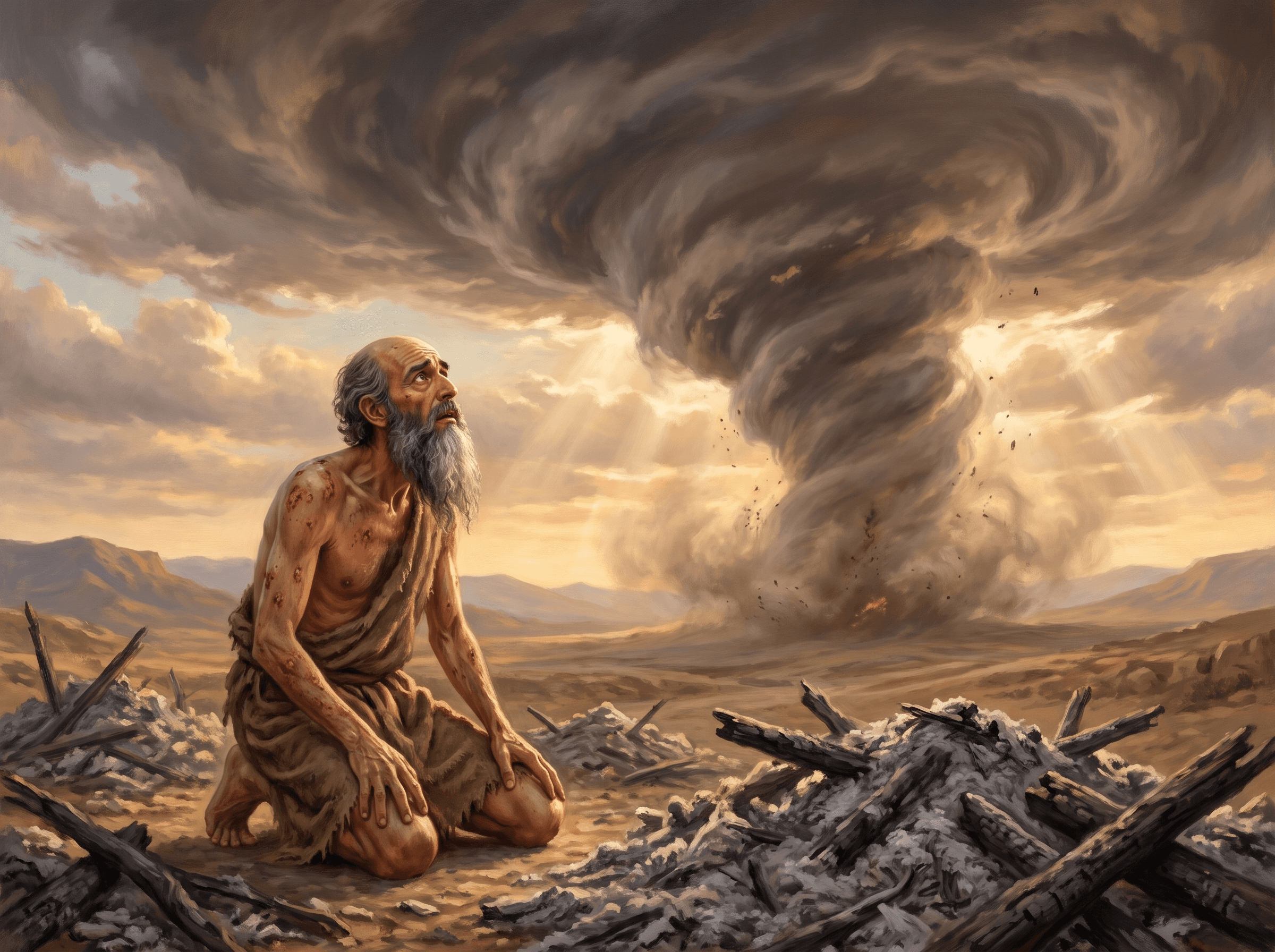
Illustrated scene from Job's story: Out of the Whirlwind (Job 38:1–41:34)
Meet the people of the Bible
Follow their lives in order, with illustrated scenes and Bible passages that tell their stories.
 Job
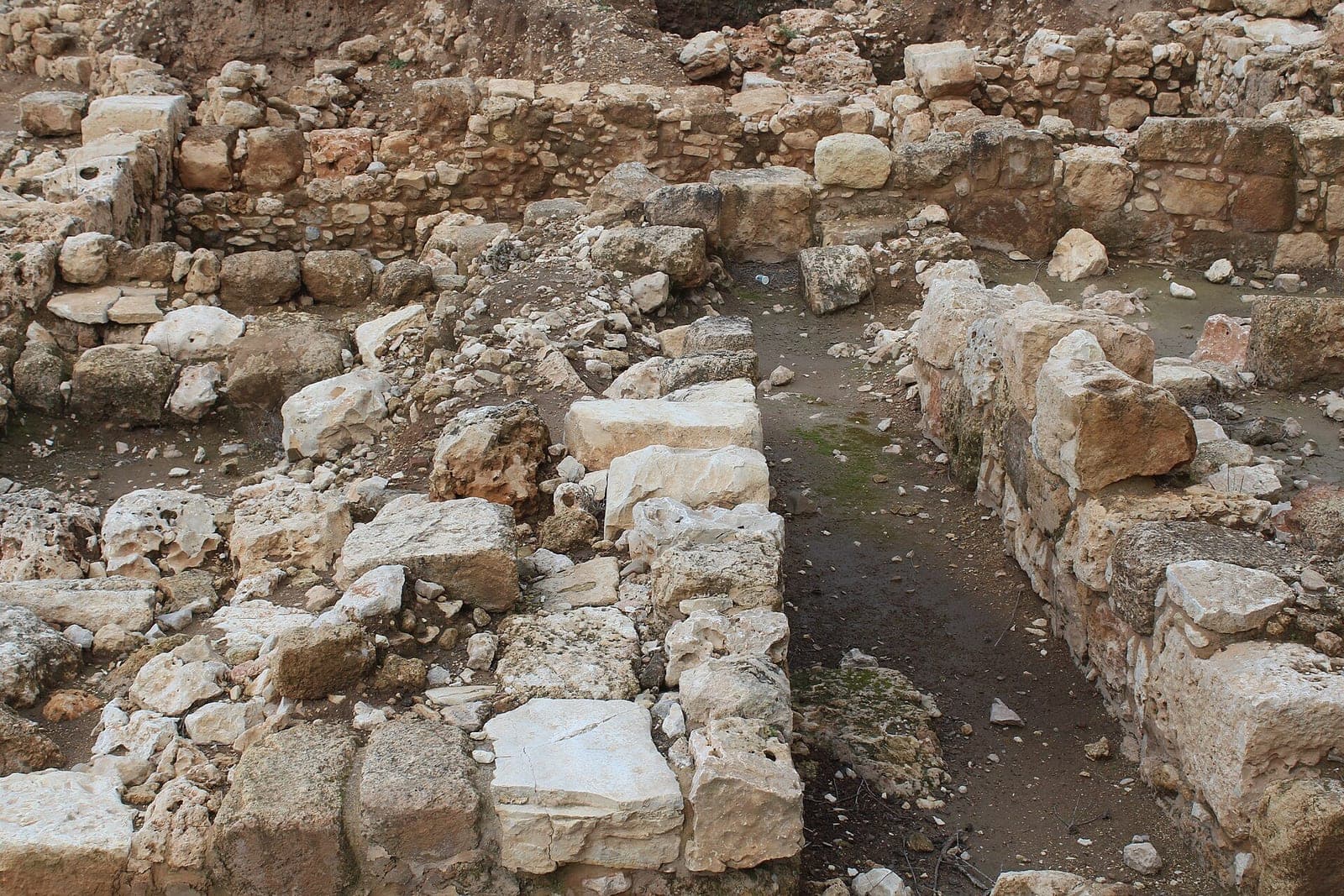
Photo: Deror Avi, via Wikimedia Commons. License: CC BY-SA 4.0. Source. Location: Tel Shiloh archaeological site, West Bank. Resized for the web.
Explore the places of the Bible
See where biblical events happened, why each place matters, and what archaeology helps us understand.
Shiloh
Where Israel set up the tabernacle, and where God called the boy Samuel.
Get full access with one subscription
Explore the people and places of the Bible. Read summaries of every book, with images and clear explanations covering every chapter. Access all these features and our Bible study tools with one subscription.
See PlansAsk AI about Job 38:12
Ask a question about this verse and get a clear answer, with Bible references you can read for yourself.
Every Bible book, explained chapter by chapter
Explore summaries of every book of the Bible, with images and easy-to-understand explanations covering every chapter.
Keep studying Job 38:12
Related Bible verses
Key themes
Related topics
At a Glance — the Book of Job
- Author
- Author unknown; events likely in the patriarchal era
- Written
- Date debated
- Genre
- Wisdom literature
- Original Audience
- All who suffer or question God
Frequently Asked Questions
Quick, clear answers about this verse
What does Job 38:12 mean?
In Job 38:12, God questions Job about his ability to command the morning and set the dawn in its place, highlighting God's supreme authority over creation. This verse emphasizes the vast difference between God's power and human limitations.
What is the meaning of 'commanded the morning' in Job 38:12?
The phrase 'commanded the morning' signifies God's control over the natural order, specifically the rising of the sun. It illustrates that only God has the authority to dictate the cycles of day and night.
How does Job 38:12 relate to human limitations?
Job 38:12 highlights human limitations by contrasting Job's inability to control natural phenomena with God's authority. It serves as a reminder that while humans can influence their lives, they do not have power over fundamental aspects of nature.
What themes are present in Job 38:12?
Key themes in Job 38:12 include God's sovereignty, the order of creation, human limitations, and divine authority. The verse underscores the distinction between God's power and human capability.
Daily Verse — straight to your inbox
A verse and a 2-sentence plain-English explanation, every morning. Free. Unsubscribe anytime.