Old Testament
Job 38:17
Read the Bible in clear, modern English—easy to understand, faithful to the meaning, and written for everyday readers.
Have the gates of death been opened to you? Or have you seen the doors of the shadow of death?
Compare translations
Have the gates of death been opened unto thee? or hast thou seen the doors of the shadow of death?
What Job 38:17 means
Plain-English insight for readers
In this verse, God is speaking to Job, questioning him about his understanding of death and the afterlife. The 'gates of death' and 'doors of the shadow of death' symbolize the unknown and the finality of death. God is emphasizing His sovereignty and omniscience, suggesting that Job, as a human, cannot fully grasp the mysteries of life and death. This rhetorical question serves to remind Job of his limitations compared to God's infinite wisdom. It highlights the idea that only God has the authority and knowledge about life after death, and it challenges Job to reflect on his own understanding and perspective on suffering and mortality. The imagery used here evokes a sense of awe and reverence for God's power over life and death, reinforcing the theme of divine authority in the face of human suffering.
How to apply Job 38:17 to your life
This verse encourages us to recognize our limitations in understanding life's mysteries, especially regarding death. It reminds us to trust in God's wisdom and sovereignty, especially during difficult times. Embracing this perspective can bring comfort and peace as we navigate our own challenges and uncertainties.
Curated for this public verse page. Job Summary
Learn the Bible through its people and places
Get to know the people in Scripture through illustrated stories, and explore the places where they lived and traveled.
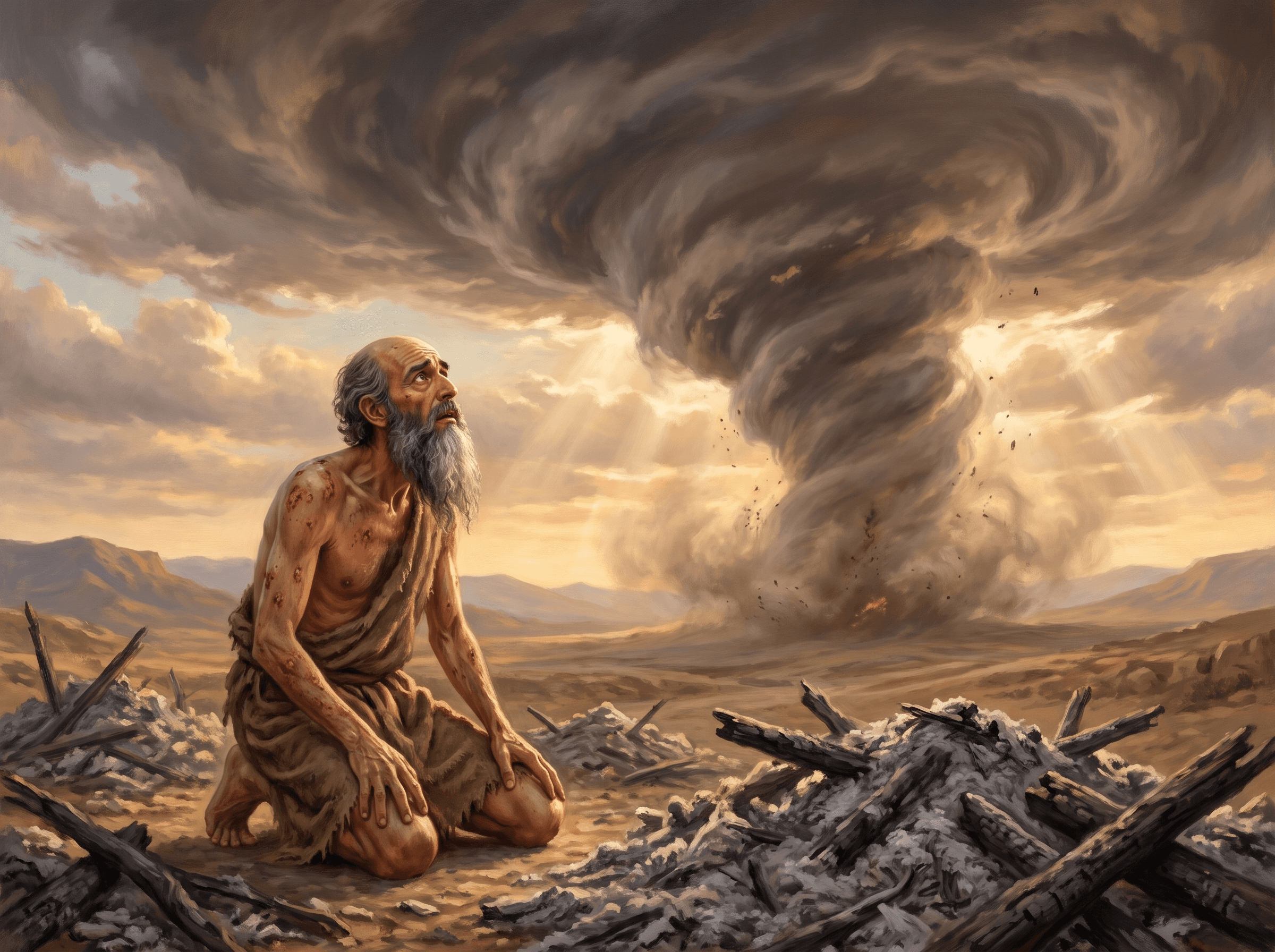
Illustrated scene from Job's story: Out of the Whirlwind (Job 38:1–41:34)
Meet the people of the Bible
Follow their lives in order, with illustrated scenes and Bible passages that tell their stories.
 Job
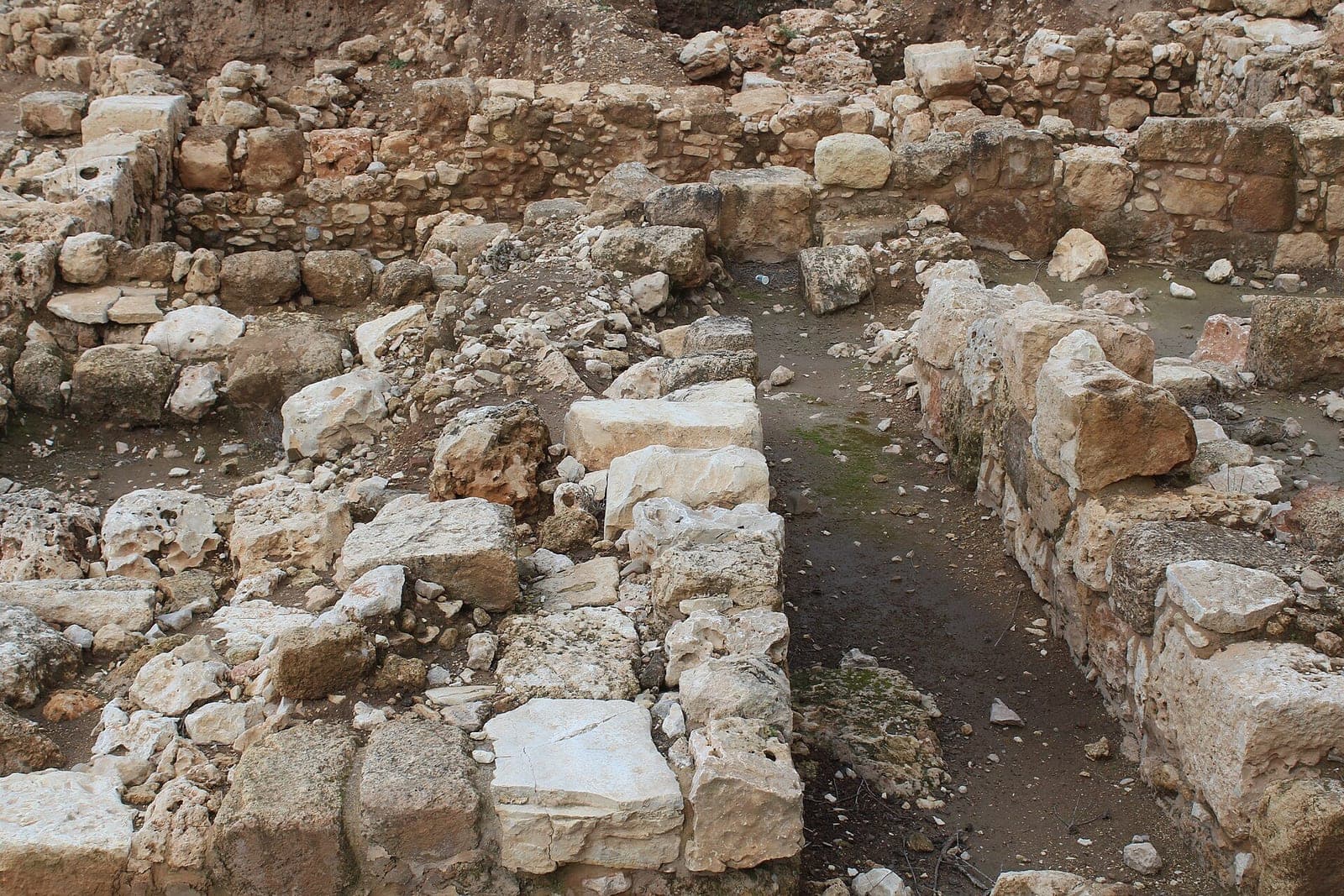
Photo: Deror Avi, via Wikimedia Commons. License: CC BY-SA 4.0. Source. Location: Tel Shiloh archaeological site, West Bank. Resized for the web.
Explore the places of the Bible
See where biblical events happened, why each place matters, and what archaeology helps us understand.
Shiloh
Where Israel set up the tabernacle, and where God called the boy Samuel.
Get full access with one subscription
Explore the people and places of the Bible. Read summaries of every book, with images and clear explanations covering every chapter. Access all these features and our Bible study tools with one subscription.
See PlansAsk AI about Job 38:17
Ask a question about this verse and get a clear answer, with Bible references you can read for yourself.
Every Bible book, explained chapter by chapter
Explore summaries of every book of the Bible, with images and easy-to-understand explanations covering every chapter.
Keep studying Job 38:17
Related Bible verses
Key themes
Related topics
At a Glance — the Book of Job
- Author
- Author unknown; events likely in the patriarchal era
- Written
- Date debated
- Genre
- Wisdom literature
- Original Audience
- All who suffer or question God
Frequently Asked Questions
Quick, clear answers about this verse
What does Job 38:17 mean about the gates of death?
In Job 38:17, God uses the imagery of the 'gates of death' to illustrate the mystery and finality of death. This verse emphasizes that only God has the authority and knowledge regarding life and death, highlighting human limitations in understanding these profound mysteries. It serves as a reminder of God's sovereignty over all aspects of existence, including the afterlife.
How does Job 38:17 relate to human suffering?
Job 38:17 addresses human suffering by reminding Job, and readers, of God's ultimate wisdom and control over life and death. In moments of suffering, it can be easy to question God's plan or understanding. This verse encourages us to trust in God's greater purpose, even when we cannot comprehend our circumstances, reinforcing the idea that suffering is part of a larger divine narrative.
What is the significance of the shadow of death in this verse?
The 'shadow of death' in Job 38:17 symbolizes the uncertainty and fear associated with death. It represents the unknown aspects of mortality that humans face. By asking Job if he has seen these 'doors,' God is emphasizing that He alone understands the full scope of life and death, urging Job to recognize his limitations and trust in God's wisdom.
How can Job 38:17 provide comfort during difficult times?
Job 38:17 can provide comfort by reminding us that we are not alone in our struggles with understanding life and death. Acknowledging our limitations allows us to lean on God's wisdom and sovereignty. This perspective can bring peace during challenging times, as we trust that God has a plan beyond our understanding, helping us navigate through suffering with hope.
Daily Verse — straight to your inbox
A verse and a 2-sentence plain-English explanation, every morning. Free. Unsubscribe anytime.