New Testament
John 10:30
Read the Bible in clear, modern English—easy to understand, faithful to the meaning, and written for everyday readers.
I and the Father are one."
Compare translations
I and my Father are one.
What John 10:30 means
Plain-English insight for readers
In this verse, Jesus declares a profound truth about His relationship with God the Father. By saying, "I and the Father are one," He emphasizes their unity in purpose, essence, and authority. This statement is significant because it asserts Jesus' divine nature and His equality with God. It indicates that Jesus is not merely a messenger of God but is, in fact, God Himself. This claim was radical and controversial, leading to strong reactions from His listeners, who understood it as a claim to divinity. The oneness of Jesus and the Father also highlights the intimate relationship within the Trinity, where each person is distinct yet fully God. This verse invites believers to understand the depth of Jesus' identity and His role in salvation, as He is both fully human and fully divine, bridging the gap between humanity and God.
How to apply John 10:30 to your life
Understanding that Jesus and the Father are one encourages believers to trust in Jesus' authority and His ability to guide their lives. It reassures them of the closeness of their relationship with God, fostering a deeper faith and reliance on His promises.
Curated for this public verse page. John Summary
Explore more of the Bible
Learn the Bible through its people and places
Get to know the people in Scripture through illustrated stories, and explore the places where they lived and traveled.
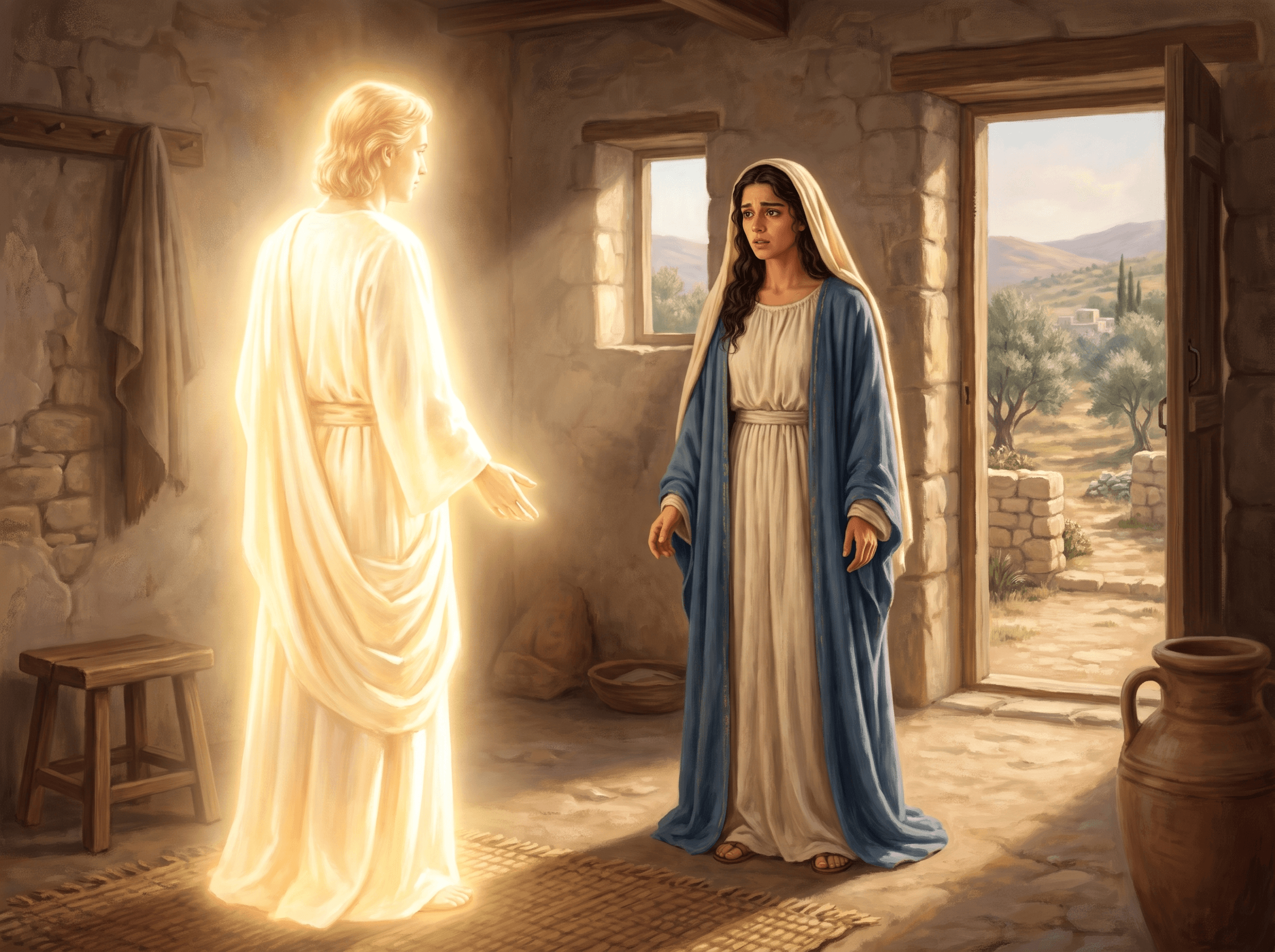
Illustrated scene from Mary, Jesus' mother's story: An Angel Visits Mary (Luke 1:26–38)
Meet the people of the Bible
Follow their lives in order, with illustrated scenes and Bible passages that tell their stories.
 Mary, Jesus' mother
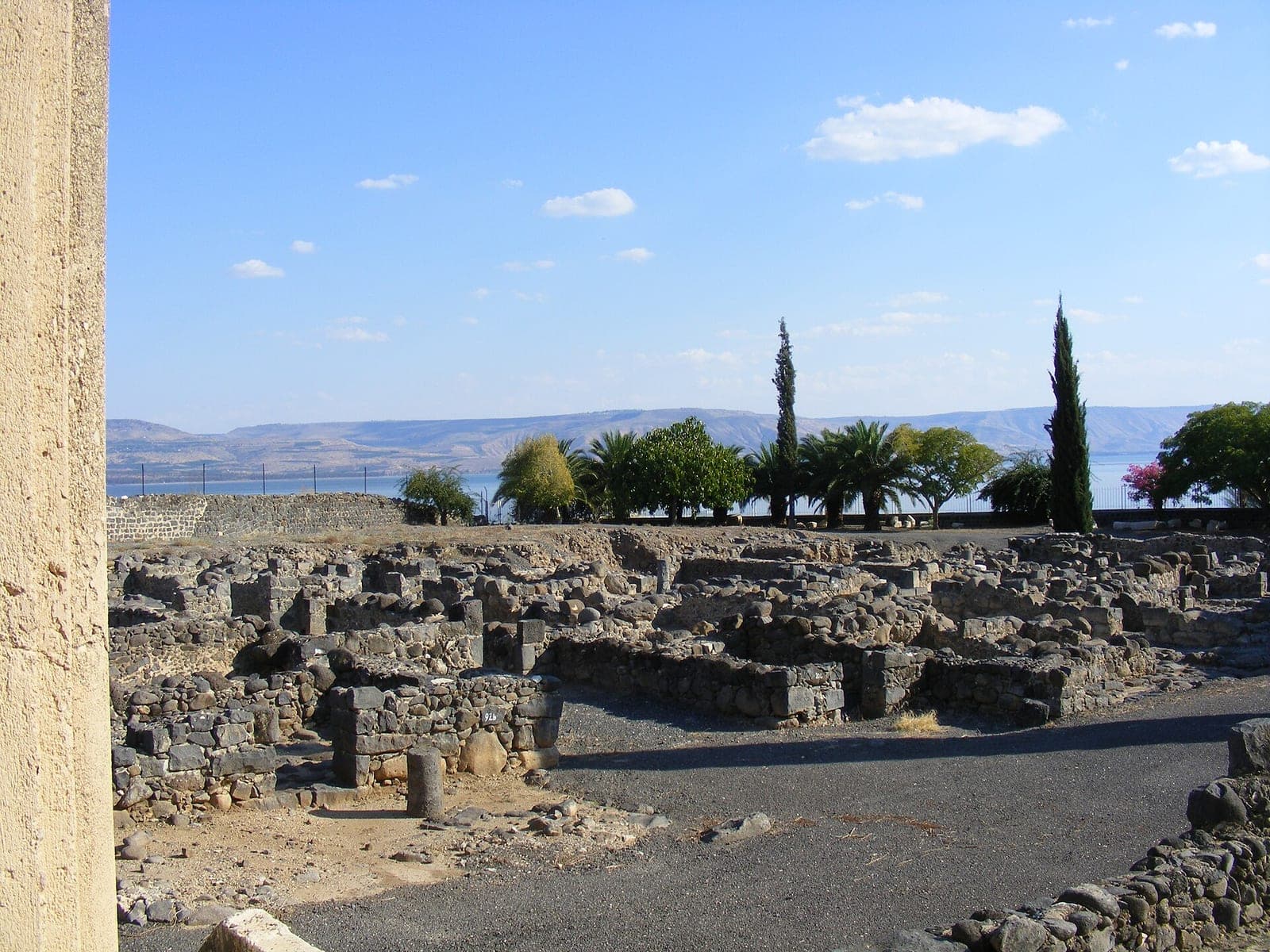
Photo: zeevveez, via Wikimedia Commons. License: CC BY 2.0. Source. Location: Capernaum, on the northern shore of the Sea of Galilee. Resized for the web.
Explore the places of the Bible
See where biblical events happened, why each place matters, and what archaeology helps us understand.
Capernaum
Jesus' home base by the Sea of Galilee, and the town where Peter lived.
Get full access with one subscription
Explore the people and places of the Bible. Read summaries of every book, with images and clear explanations covering every chapter. Access all these features and our Bible study tools with one subscription.
See PlansAsk AI about John 10:30
Ask a question about this verse and get a clear answer, with Bible references you can read for yourself.
Every Bible book, explained chapter by chapter
Explore summaries of every book of the Bible, with images and easy-to-understand explanations covering every chapter.
Keep studying John 10:30
Related Bible verses
Key themes
At a Glance — the Book of John
- Author
- John the apostle
- Written
- Around AD 85-95
- Genre
- Gospel
- Original Audience
- All believers
Frequently Asked Questions
Quick, clear answers about this verse
What does John 10:30 mean?
In John 10:30, Jesus states, 'I and the Father are one,' highlighting His unity with God the Father. This emphasizes His divine nature and equality with God, indicating that He is not just a messenger but God Himself.
Why did people react strongly to John 10:30?
People reacted strongly to John 10:30 because Jesus' claim of oneness with the Father was seen as a direct assertion of His divinity. This was controversial and led to accusations of blasphemy from His listeners.
How does John 10:30 relate to the concept of the Trinity?
John 10:30 relates to the Trinity by illustrating the relationship between Jesus, the Son, and God, the Father. It shows that while they are distinct persons, they are united in essence and purpose, a core belief in Christian doctrine.
Daily Verse — straight to your inbox
A verse and a 2-sentence plain-English explanation, every morning. Free. Unsubscribe anytime.