New Testament
John 6:70
Read the Bible in clear, modern English—easy to understand, faithful to the meaning, and written for everyday readers.
Jesus answered them, "Did I not choose you, the Twelve? Yet one of you is a devil."
Compare translations
Jesus answered them, Have not I chosen you twelve, and one of you is a devil?
What John 6:70 means
Plain-English insight for readers
In this verse, Jesus is addressing His twelve disciples, reminding them that He personally chose each of them to follow Him. However, He also reveals a troubling truth: one of them is a 'devil,' referring to Judas Iscariot, who would later betray Him. This statement highlights the reality of betrayal and the presence of evil even among those closest to Him. It serves as a stark reminder that not everyone who appears to be a follower of Christ is genuinely committed. Jesus' choice of the Twelve underscores His authority and the divine purpose behind their selection, while the mention of betrayal foreshadows the events leading to His crucifixion. This moment encapsulates the tension between faithfulness and treachery, illustrating that even in a community of believers, there can be hidden dangers and challenges.
How to apply John 6:70 to your life
This verse encourages us to be vigilant in our relationships and communities. Just as Jesus was aware of the potential for betrayal, we should be discerning about those we trust. It reminds us to focus on our own faithfulness and commitment to Christ, ensuring we are genuine in our walk with Him.
Curated for this public verse page. John Summary
Learn the Bible through its people and places
Get to know the people in Scripture through illustrated stories, and explore the places where they lived and traveled.
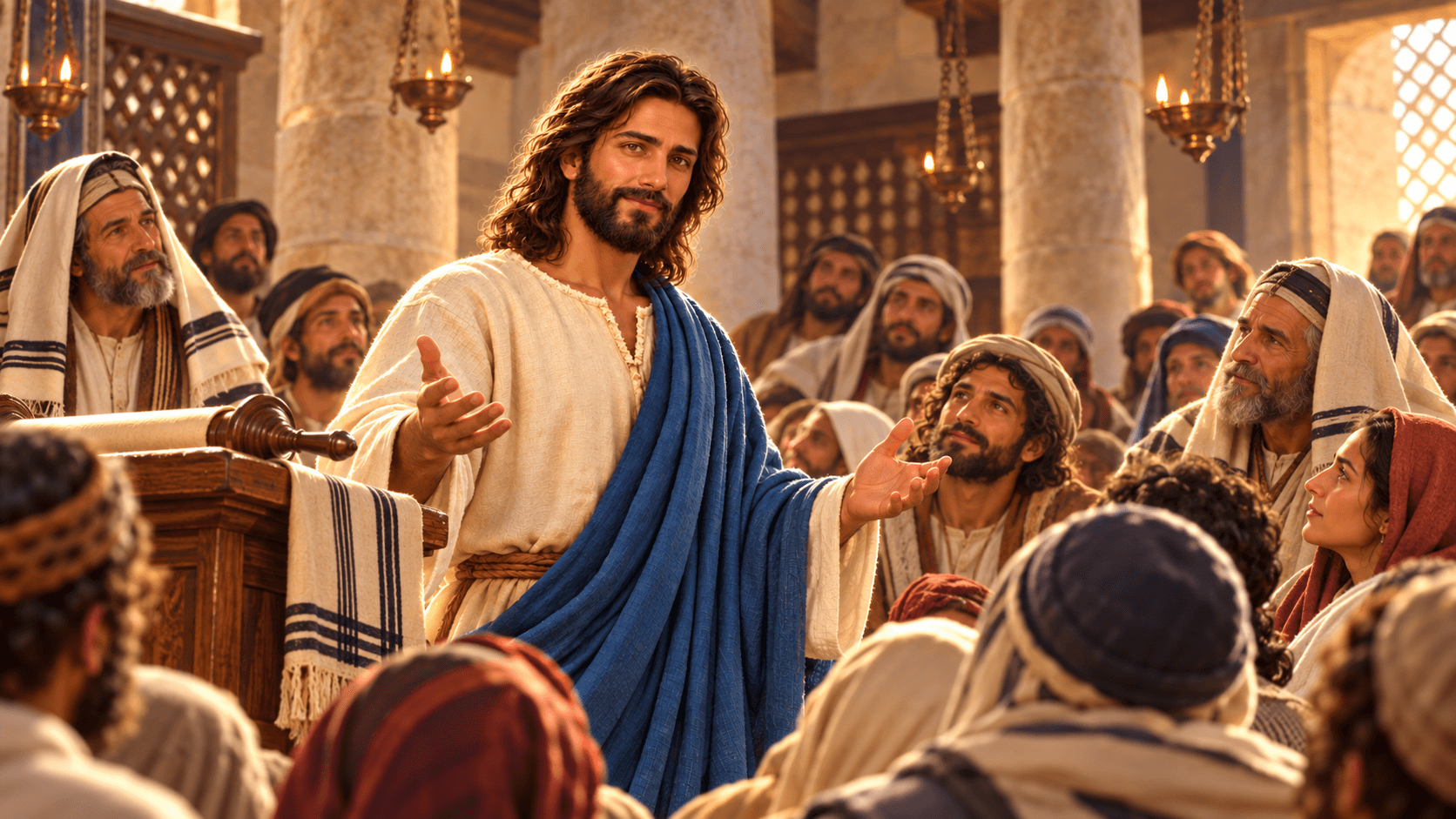
Illustrated scene from Jesus's story: The Bread of Life (John 6:22–71)
Meet the people of the Bible
Follow their lives in order, with illustrated scenes and Bible passages that tell their stories.
 Jesus

Photo: Gary Todd (Gary Lee Todd, Ph.D.), via Wikimedia Commons. License: CC0 1.0 Universal Public Domain Dedication. Source. Location: Southern end of the Temple Mount, Jerusalem Old City. Resized for the web.
Explore the places of the Bible
See where biblical events happened, why each place matters, and what archaeology helps us understand.
Jerusalem
David's capital, the city of the temple, and the place where Jesus died and rose again.
Get full access with one subscription
Explore the people and places of the Bible. Read summaries of every book, with images and clear explanations covering every chapter. Access all these features and our Bible study tools with one subscription.
See PlansAsk AI about John 6:70
Ask a question about this verse and get a clear answer, with Bible references you can read for yourself.
Every Bible book, explained chapter by chapter
Explore summaries of every book of the Bible, with images and easy-to-understand explanations covering every chapter.
Keep studying John 6:70
Related Bible verses
Key themes
Related topics
At a Glance — the Book of John
- Author
- John the apostle
- Written
- Around AD 85-95
- Genre
- Gospel
- Original Audience
- All believers
Frequently Asked Questions
Quick, clear answers about this verse
What does John 6:70 mean?
In John 6:70, Jesus tells His disciples that He chose them, but one among them is a devil, referring to Judas Iscariot. This highlights the reality of betrayal and the presence of evil even among His closest followers.
What is the significance of Jesus calling Judas a devil in John 6:70?
By calling Judas a devil, Jesus indicates that betrayal can exist within a community of believers. It serves as a warning that not everyone who appears to follow Christ is truly committed.
How does John 6:70 relate to the theme of betrayal?
John 6:70 directly addresses the theme of betrayal by revealing that one of the chosen disciples will betray Jesus. This moment foreshadows the events leading to His crucifixion.
What can we learn from John 6:70 about trust in relationships?
John 6:70 teaches us to be discerning in our relationships, as it shows that betrayal can occur even among those we trust. It encourages us to focus on our own faithfulness and integrity.
Daily Verse — straight to your inbox
A verse and a 2-sentence plain-English explanation, every morning. Free. Unsubscribe anytime.