New Testament
John 7:8
Read the Bible in clear, modern English—easy to understand, faithful to the meaning, and written for everyday readers.
"Go up to the festival. I am not going up to this festival yet, because my time has not yet fully come."
Compare translations
Go ye up unto this feast: I go not up yet unto this feast: for my time is not yet full come.
What John 7:8 means
Plain-English insight for readers
In this verse, Jesus is speaking to his brothers who are urging him to go to the festival in Jerusalem. He tells them that he is not going to the festival at that moment because his time has not yet come. This indicates that Jesus is aware of a divine timetable for his ministry and actions. His reluctance to go suggests that he is following God's plan rather than human expectations. The phrase 'my time is not yet fully come' implies that there are specific moments in his mission that are crucial, and he is waiting for the right time to reveal himself fully. This moment of waiting reflects Jesus' obedience to God's will and his understanding of the significance of timing in fulfilling his purpose. It also highlights the tension between human urgency and divine timing, reminding us that sometimes we must wait for the right moment to act, even when we feel pressured to move forward.
How to apply John 7:8 to your life
This verse teaches us the importance of waiting for the right timing in our own lives. Just as Jesus was guided by God's plan, we should seek to understand and follow God's timing rather than rushing into decisions based on pressure or urgency. Trusting in God's schedule can lead to better outcomes.
Curated for this public verse page. John Summary
Explore more of the Bible
Learn the Bible through its people and places
Get to know the people in Scripture through illustrated stories, and explore the places where they lived and traveled.
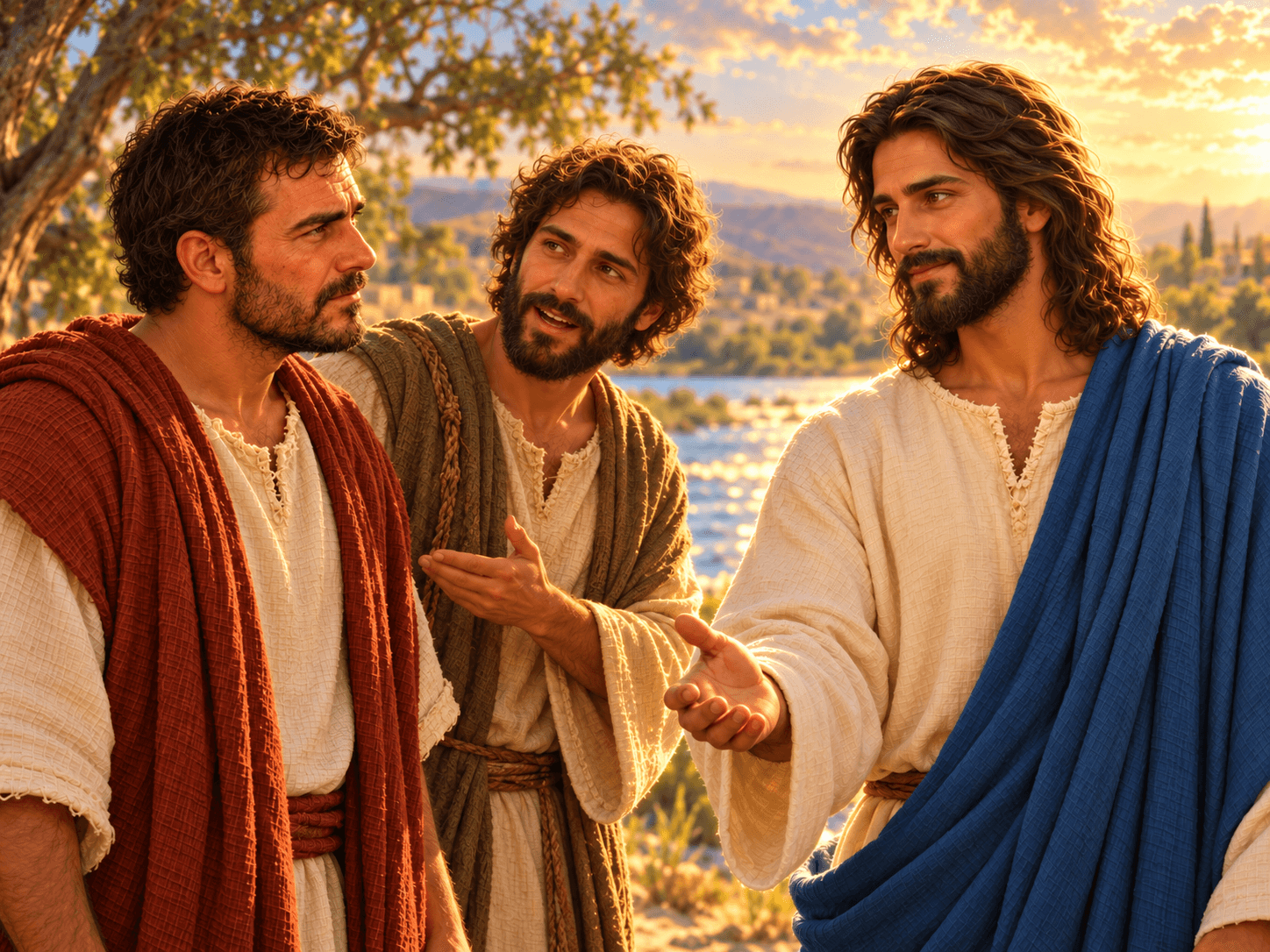
Illustrated scene from Peter's story: Andrew Brings Simon to Jesus (John 1:40–42)
Meet the people of the Bible
Follow their lives in order, with illustrated scenes and Bible passages that tell their stories.
 Peter
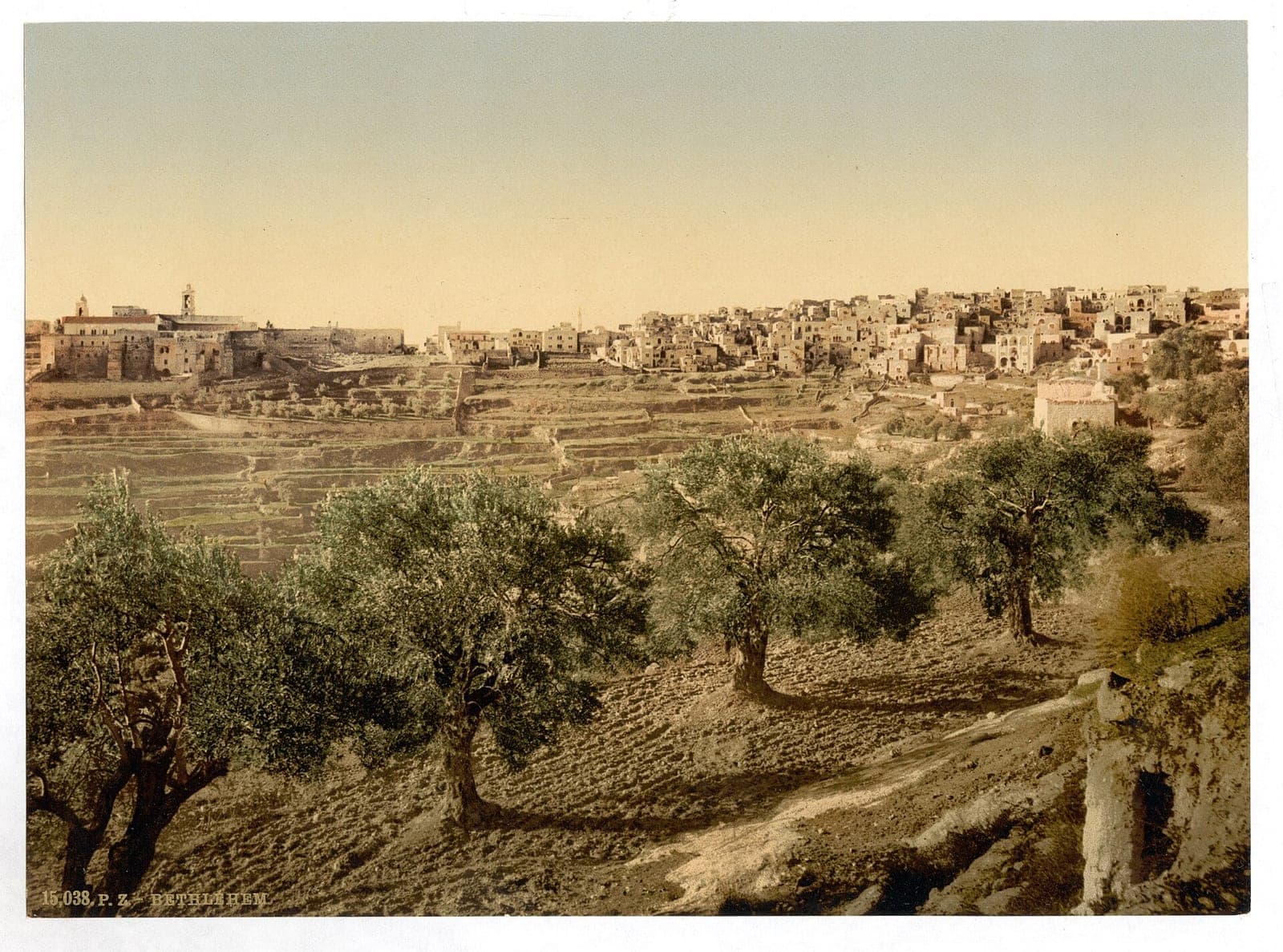
Photo: Photochrom print, Library of Congress Prints and Photographs Division (LCCN 2002724966). License: Public domain in the United States; Library of Congress states no known restrictions on publication. Source. Location: Bethlehem, West Bank; print preserved by the Library of Congress. Resized for the web.
Explore the places of the Bible
See where biblical events happened, why each place matters, and what archaeology helps us understand.
Bethlehem
David's hometown, and the town where Jesus was born.
Get full access with one subscription
Explore the people and places of the Bible. Read summaries of every book, with images and clear explanations covering every chapter. Access all these features and our Bible study tools with one subscription.
See PlansAsk AI about John 7:8
Ask a question about this verse and get a clear answer, with Bible references you can read for yourself.
Every Bible book, explained chapter by chapter
Explore summaries of every book of the Bible, with images and easy-to-understand explanations covering every chapter.
Keep studying John 7:8
Related Bible verses
Key themes
Related topics
At a Glance — the Book of John
- Author
- John the apostle
- Written
- Around AD 85-95
- Genre
- Gospel
- Original Audience
- All believers
Frequently Asked Questions
Quick, clear answers about this verse
What does Jesus mean by 'my time has not yet fully come'?
In John 7:8, when Jesus says 'my time has not yet fully come,' he is acknowledging that there is a specific divine timetable for his ministry. This indicates that Jesus is aware of the importance of timing in fulfilling his mission and that he is not acting based on human expectations or pressures. His statement reflects his obedience to God's plan and the significance of waiting for the right moment to reveal his true identity and purpose.
Why did Jesus refuse to go to the festival with his brothers?
Jesus refused to go to the festival at that moment because he was following God's plan and timing. His brothers urged him to go, likely expecting him to perform miracles and gain recognition. However, Jesus understood that his mission was not to seek public approval or act on human urgency. By waiting, he demonstrated his commitment to God's will and the importance of acting at the right time.
How can we apply the lesson of waiting for God's timing in our lives?
We can apply the lesson of waiting for God's timing by being patient and seeking guidance in our decisions. Just as Jesus waited for the right moment to act, we should trust that God has a plan for our lives. This means resisting the urge to rush into decisions based on pressure or urgency and instead praying for clarity and understanding of when to move forward. By aligning our actions with God's timing, we can achieve better outcomes.
What does this verse teach about obedience to God's will?
John 7:8 teaches that obedience to God's will often requires patience and discernment. Jesus exemplifies this by choosing not to go to the festival despite his brothers' insistence. His actions remind us that true obedience involves waiting for God's direction and timing, even when we feel compelled to act immediately. This encourages us to prioritize our relationship with God and seek His guidance in our choices.
Daily Verse — straight to your inbox
A verse and a 2-sentence plain-English explanation, every morning. Free. Unsubscribe anytime.