Old Testament
Jonah 1:10
Read the Bible in clear, modern English—easy to understand, faithful to the meaning, and written for everyday readers.
This terrified them even more. "What have you done?" they demanded. They already knew he was running from the LORD, because he had told them.
Compare translations
Then were the men exceedingly afraid, and said unto him, Why hast thou done this? For the men knew that he fled from the presence of the LORD, because he had told them.
What Jonah 1:10 means
Plain-English insight for readers
In Jonah 1:10, the sailors on the ship become extremely frightened when they learn that Jonah is fleeing from the LORD. Their fear intensifies because they understand the seriousness of Jonah's actions. They question him, asking why he would do such a thing, as they are aware that he is trying to escape from God’s presence. This moment highlights the sailors' awareness of divine authority and the consequences of disobedience. Jonah's admission of running from God not only reveals his personal struggle but also impacts those around him, showing how one person's choices can affect others. The sailors, who initially seem indifferent to Jonah's God, are now confronted with the reality of His power and the danger of disobedience. This passage serves as a reminder of the importance of being honest about our actions and their potential impact on others, especially when it comes to our relationship with God.
How to apply Jonah 1:10 to your life
This verse encourages us to reflect on our own actions and their effects on those around us. It reminds us to be honest about our struggles and to recognize that our decisions can influence others, especially in matters of faith and obedience to God.
Curated for this public verse page. Jonah Summary
Learn the Bible through its people and places
Get to know the people in Scripture through illustrated stories, and explore the places where they lived and traveled.

Illustrated scene from Jonah's story: The Storm at Sea (Jonah 1:4–16)
Meet the people of the Bible
Follow their lives in order, with illustrated scenes and Bible passages that tell their stories.
 Jonah
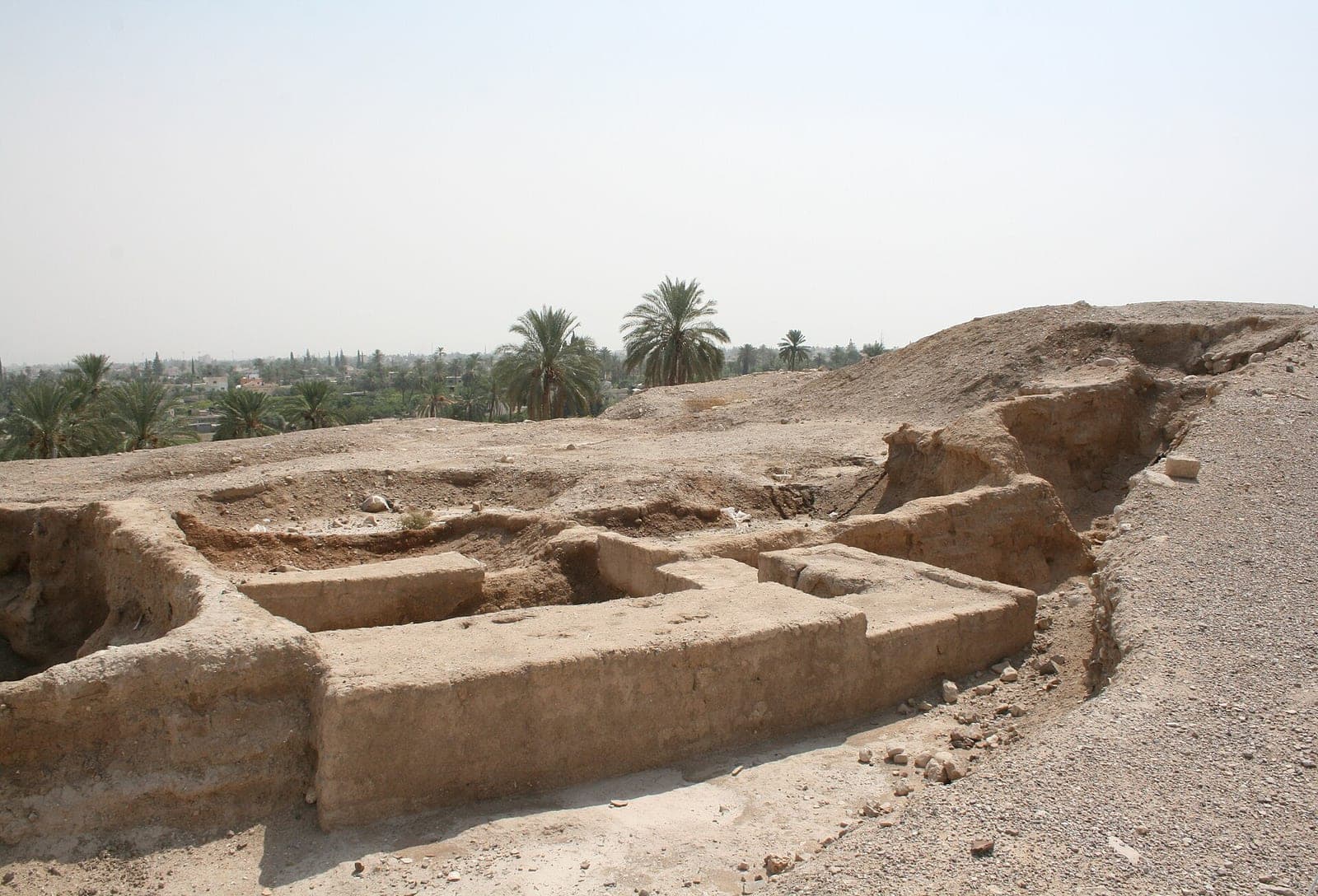
Photo: Diego Delso, via Wikimedia Commons. License: CC BY-SA 3.0. Source. Location: Tell es-Sultan, Jericho, West Bank. Resized for the web.
Explore the places of the Bible
See where biblical events happened, why each place matters, and what archaeology helps us understand.
Jericho
The city of palm trees, whose walls fell in Joshua's day.
Get full access with one subscription
Explore the people and places of the Bible. Read summaries of every book, with images and clear explanations covering every chapter. Access all these features and our Bible study tools with one subscription.
See PlansAsk AI about Jonah 1:10
Ask a question about this verse and get a clear answer, with Bible references you can read for yourself.
Every Bible book, explained chapter by chapter
Explore summaries of every book of the Bible, with images and easy-to-understand explanations covering every chapter.
Keep studying Jonah 1:10
Related Bible verses
Key themes
Related topics
At a Glance — the Book of Jonah
- Author
- Traditionally attributed to Jonah
- Written
- Around 760 BC
- Genre
- Prophetic narrative
- Original Audience
- Israelites and Gentile nations
Frequently Asked Questions
Quick, clear answers about this verse
What does Jonah 1:10 teach about fear of God?
Jonah 1:10 illustrates the sailors' intense fear upon realizing Jonah is fleeing from the LORD. Their reaction shows that they recognize the seriousness of disobeying God and the potential consequences. This teaches us that a healthy fear of God can lead to a deeper understanding of His authority and the importance of obedience in our lives.
How does Jonah's disobedience affect others in Jonah 1:10?
In Jonah 1:10, Jonah's decision to flee from God not only puts him in danger but also endangers the sailors on the ship. Their fear escalates when they learn of his actions, highlighting how one person's choices can have far-reaching effects on others. This serves as a reminder that our actions can impact those around us, especially in spiritual matters.
What can we learn about honesty from Jonah 1:10?
Jonah 1:10 emphasizes the importance of honesty, as Jonah openly admits to fleeing from the LORD. His transparency about his struggles not only reveals his personal conflict but also affects the sailors' perception of God. This teaches us that being honest about our actions and struggles can foster accountability and encourage others to reflect on their own relationship with God.
Why did the sailors become more afraid in Jonah 1:10?
The sailors' fear intensified in Jonah 1:10 because they realized the gravity of Jonah's actions—fleeing from the presence of the LORD. Their understanding of divine authority and the potential consequences of disobedience heightened their fear. This moment illustrates how awareness of God's power can lead to a deeper sense of reverence and concern for one's own actions.
Daily Verse — straight to your inbox
A verse and a 2-sentence plain-English explanation, every morning. Free. Unsubscribe anytime.