Old Testament
Judges 13:1
Read the Bible in clear, modern English—easy to understand, faithful to the meaning, and written for everyday readers.
The children of Israel did evil again in the sight of the LORD, and the LORD delivered them into the hands of the Philistines for forty years.
Compare translations
And the children of Israel did evil again in the sight of the LORD; and the LORD delivered them into the hand of the Philistines forty years.
What Judges 13:1 means
Plain-English insight for readers
In this verse, we see a recurring pattern in the history of the Israelites. They repeatedly turn away from God and engage in sinful behavior, which leads to their suffering. This time, their disobedience results in God allowing the Philistines, a neighboring enemy, to dominate them for forty years. This period of oppression serves as a consequence of their actions and highlights the seriousness of turning away from God's commands. The phrase 'did evil again' indicates that this was not an isolated incident but part of a cycle of sin, punishment, repentance, and deliverance that characterizes the Book of Judges. The Israelites' plight reminds us of the importance of faithfulness to God and the dangers of straying from His ways. It sets the stage for the eventual rise of a deliverer, Samson, who will play a crucial role in their liberation from the Philistines.
How to apply Judges 13:1 to your life
This verse serves as a reminder to remain faithful and obedient to God. It warns us about the consequences of turning away from His teachings. Regular self-reflection and repentance can help us avoid falling into similar patterns of disobedience and suffering.
Curated for this public verse page. Judges Summary
Learn the Bible through its people and places
Get to know the people in Scripture through illustrated stories, and explore the places where they lived and traveled.
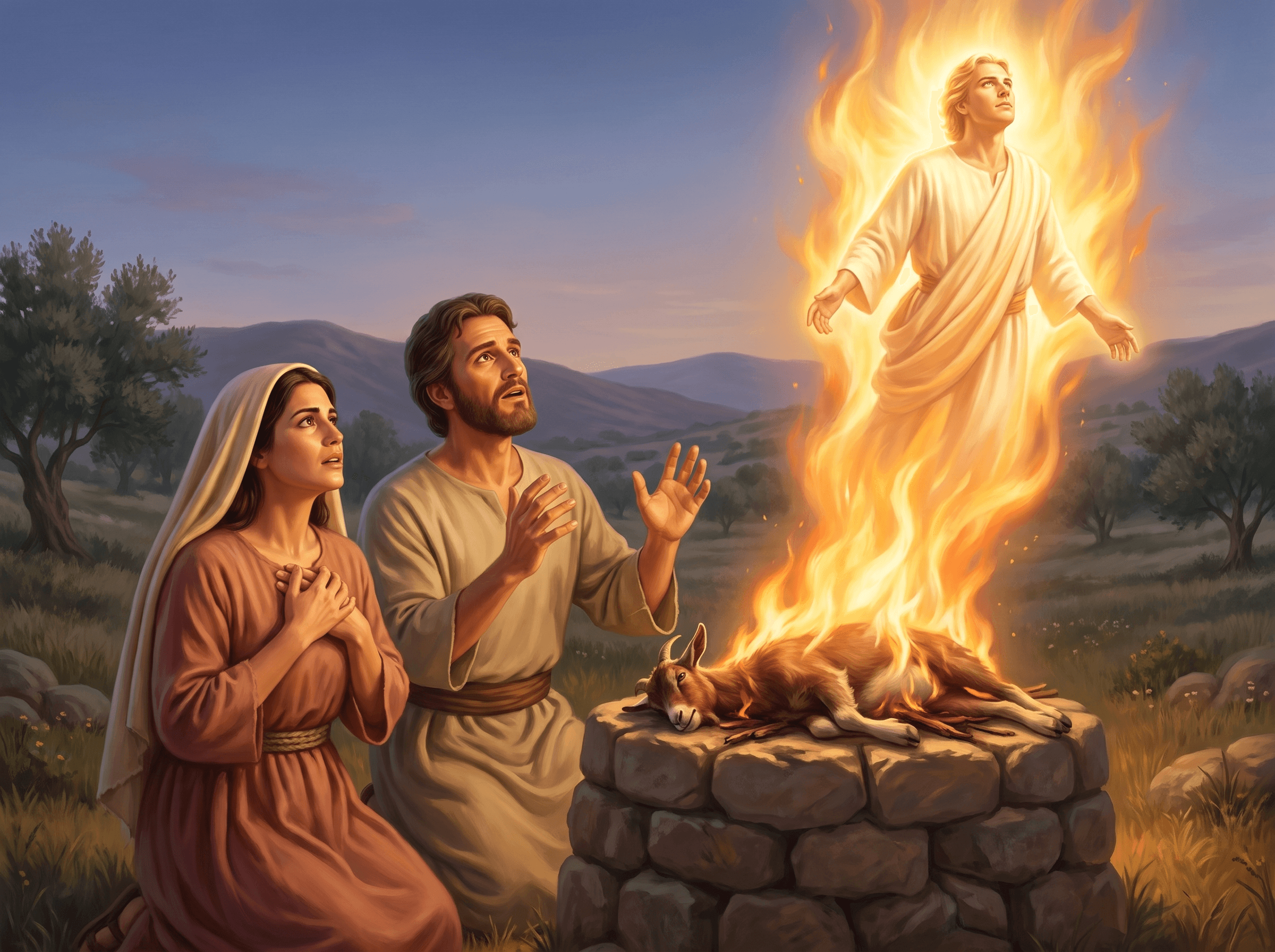
Illustrated scene from Samson's story: A Son Is Promised (Judges 13:1–23)
Meet the people of the Bible
Follow their lives in order, with illustrated scenes and Bible passages that tell their stories.
 Samson

Photo: Zeev Stein / PikiWiki Israel, via Wikimedia Commons. License: CC BY 2.5. Source. Location: Tel Beer Sheva National Park, Israel. Resized for the web.
Explore the places of the Bible
See where biblical events happened, why each place matters, and what archaeology helps us understand.
Beersheba
Where Abraham and Isaac dug wells and worshiped the LORD, at the southern edge of the land.
Get full access with one subscription
Explore the people and places of the Bible. Read summaries of every book, with images and clear explanations covering every chapter. Access all these features and our Bible study tools with one subscription.
See PlansAsk AI about Judges 13:1
Ask a question about this verse and get a clear answer, with Bible references you can read for yourself.
Every Bible book, explained chapter by chapter
Explore summaries of every book of the Bible, with images and easy-to-understand explanations covering every chapter.
Keep studying Judges 13:1
Related Bible verses
Key themes
Related topics
At a Glance — the Book of Judges
- Author
- Traditionally attributed to Samuel
- Written
- Around 1050-1000 BC
- Genre
- Historical narrative
- Original Audience
- The Israelites living under the judges
Frequently Asked Questions
Quick, clear answers about this verse
What does Judges 13:1 mean?
Judges 13:1 describes how the Israelites repeatedly turned away from God, leading to their oppression by the Philistines for forty years. This verse highlights the cycle of sin and consequences that the Israelites faced due to their disobedience.
What is the significance of the Philistines in Judges 13:1?
In Judges 13:1, the Philistines represent the enemies of Israel who were allowed by God to dominate the Israelites as a consequence of their evil actions. Their oppression serves as a reminder of the consequences of turning away from God's commands.
What does 'did evil again' mean in Judges 13:1?
The phrase 'did evil again' in Judges 13:1 indicates that the Israelites were caught in a recurring cycle of sin, where they repeatedly disobeyed God despite previous warnings and consequences. It emphasizes the ongoing nature of their rebellion against God.
How does Judges 13:1 relate to the Book of Judges?
Judges 13:1 exemplifies the central theme of the Book of Judges, which is the cycle of sin, oppression, repentance, and deliverance experienced by the Israelites. This verse illustrates the consequences of their actions and foreshadows the need for a deliverer.
Daily Verse — straight to your inbox
A verse and a 2-sentence plain-English explanation, every morning. Free. Unsubscribe anytime.