Old Testament
Judges 14:9
Read the Bible in clear, modern English—easy to understand, faithful to the meaning, and written for everyday readers.
He scooped the honey out with his hands and ate it as he walked. When he reached his parents, he gave some to them and they ate it too — but he never told them he had taken it from the dead lion's body.
Compare translations
And he took thereof in his hands, and went on eating, and came to his father and mother, and he gave them, and they did eat: but he told not them that he had taken the honey out of the carcase of the lion.
What Judges 14:9 means
Plain-English insight for readers
In Judges 14:9, we see a moment in the life of Samson where he finds honey in the carcass of a lion he had previously killed. Despite the fact that touching a dead body was against his Nazirite vows, he scoops out the honey and eats it while walking. When he meets his parents, he shares the honey with them but does not disclose its source. This act highlights Samson's disregard for his vows and the potential consequences of his choices. It also illustrates how he was willing to hide the truth from his family, which can lead to deeper issues of trust and integrity. The honey symbolizes sweetness and temptation, but it comes from a place of death, representing the conflict between desires and moral obligations. Samson's actions serve as a reminder of the complexities of human nature and the struggles between following one's commitments and succumbing to temptation.
How to apply Judges 14:9 to your life
This verse encourages us to consider the sources of our blessings and the integrity of our actions. It reminds us that what may seem sweet and appealing can sometimes come from questionable places. We should strive to be honest and transparent in our relationships, avoiding the pitfalls of secrecy and disobedience.
Curated for this public verse page. Judges Summary
Learn the Bible through its people and places
Get to know the people in Scripture through illustrated stories, and explore the places where they lived and traveled.

Illustrated scene from Samson's story: The Lion at Timnath (Judges 14:1–9)
Meet the people of the Bible
Follow their lives in order, with illustrated scenes and Bible passages that tell their stories.
 Samson
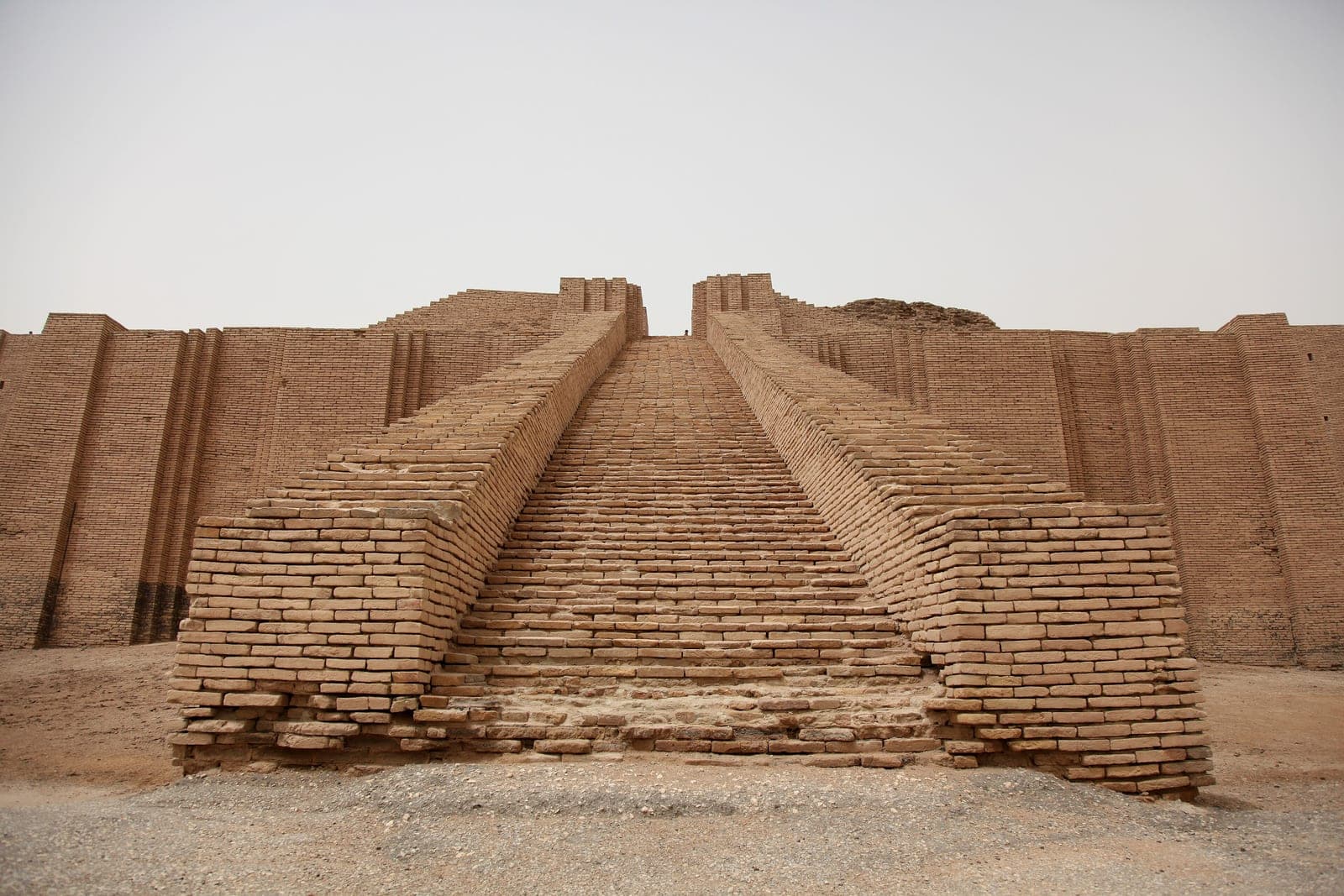
Photo: U.S. Army photo by Spc. Samantha R. Ciaramitaro, via DVIDS and Wikimedia Commons. License: Public domain in the United States — U.S. federal-government work. Source. Location: Great Ziggurat, Ur Archaeological City (Tell el-Mukayyar), Dhi Qar Governorate, Iraq. Resized for the web.
Explore the places of the Bible
See where biblical events happened, why each place matters, and what archaeology helps us understand.
Ur
The city Abram's family left to travel toward Canaan.
Get full access with one subscription
Explore the people and places of the Bible. Read summaries of every book, with images and clear explanations covering every chapter. Access all these features and our Bible study tools with one subscription.
See PlansAsk AI about Judges 14:9
Ask a question about this verse and get a clear answer, with Bible references you can read for yourself.
Every Bible book, explained chapter by chapter
Explore summaries of every book of the Bible, with images and easy-to-understand explanations covering every chapter.
Keep studying Judges 14:9
Related Bible verses
Key themes
Related topics
At a Glance — the Book of Judges
- Author
- Traditionally attributed to Samuel
- Written
- Around 1050-1000 BC
- Genre
- Historical narrative
- Original Audience
- The Israelites living under the judges
Frequently Asked Questions
Quick, clear answers about this verse
What does Judges 14:9 mean?
Judges 14:9 describes Samson finding honey in the carcass of a lion he killed. It illustrates his disregard for his Nazirite vows by touching a dead body and highlights themes of temptation and secrecy.
What is the significance of the honey in Judges 14:9?
The honey symbolizes sweetness and temptation, but it comes from a dead lion, representing the conflict between desires and moral obligations. It shows how appealing things can sometimes have questionable origins.
How does Judges 14:9 relate to the Nazirite vows?
In Judges 14:9, Samson's actions directly violate his Nazirite vows, which prohibit contact with dead bodies. This highlights his struggle between personal desires and his commitments.
What lessons can we learn from Judges 14:9?
Judges 14:9 teaches us to consider the sources of our blessings and the importance of honesty in our actions. It reminds us that what appears appealing may come from morally questionable places.
Daily Verse — straight to your inbox
A verse and a 2-sentence plain-English explanation, every morning. Free. Unsubscribe anytime.