New Testament
Luke 14:12
Read the Bible in clear, modern English—easy to understand, faithful to the meaning, and written for everyday readers.
Then Jesus said to the man who had invited him, "When you host a lunch or dinner, don't invite your friends, your brothers, your relatives, or your wealthy neighbors, because they might invite you back, and you would be repaid."
Compare translations
Then said he also to him that bade him, When thou makest a dinner or a supper, call not thy friends, nor thy brethren, neither thy kinsmen, nor thy rich neighbours; lest they also bid thee again, and a recompence be made thee.
What Luke 14:12 means
Plain-English insight for readers
In this verse, Jesus teaches about the nature of hospitality and generosity. He advises against inviting only those who can repay you, such as friends and wealthy neighbors, because this creates a cycle of obligation. Instead, Jesus encourages inviting the poor, the crippled, the lame, and the blind, who cannot repay you. This act of kindness reflects true generosity and aligns with God's values. It emphasizes the importance of selflessness and serving others without expecting anything in return. By doing so, one will be blessed in the resurrection of the righteous, highlighting the eternal rewards of such actions. This teaching challenges societal norms where relationships are often transactional and encourages a deeper understanding of love and community.
How to apply Luke 14:12 to your life
When hosting gatherings, consider inviting those who may not have the means to reciprocate. This practice fosters genuine relationships and reflects Christ's love. Look for opportunities to serve those in need, creating a community that values kindness over reciprocity.
Curated for this public verse page. Luke Summary
Explore more of the Bible
Learn the Bible through its people and places
Get to know the people in Scripture through illustrated stories, and explore the places where they lived and traveled.

Illustrated scene from Paul's story: The Stoning of Stephen (Acts 7:57–8:2)
Meet the people of the Bible
Follow their lives in order, with illustrated scenes and Bible passages that tell their stories.
 Paul
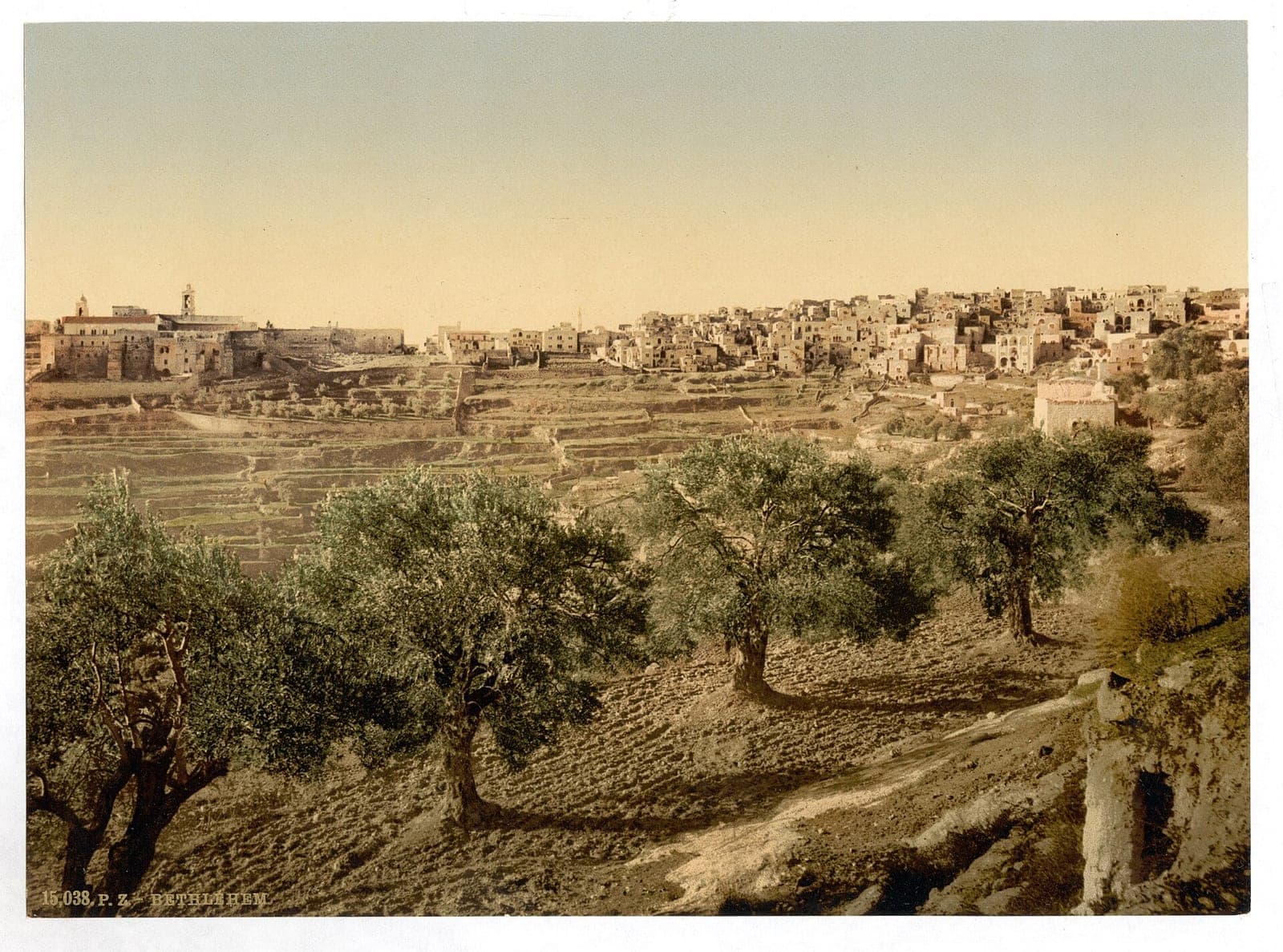
Photo: Photochrom print, Library of Congress Prints and Photographs Division (LCCN 2002724966). License: Public domain in the United States; Library of Congress states no known restrictions on publication. Source. Location: Bethlehem, West Bank; print preserved by the Library of Congress. Resized for the web.
Explore the places of the Bible
See where biblical events happened, why each place matters, and what archaeology helps us understand.
Bethlehem
David's hometown, and the town where Jesus was born.
Get full access with one subscription
Explore the people and places of the Bible. Read summaries of every book, with images and clear explanations covering every chapter. Access all these features and our Bible study tools with one subscription.
See PlansAsk AI about Luke 14:12
Ask a question about this verse and get a clear answer, with Bible references you can read for yourself.
Every Bible book, explained chapter by chapter
Explore summaries of every book of the Bible, with images and easy-to-understand explanations covering every chapter.
Keep studying Luke 14:12
Related Bible verses
Key themes
Related topics
At a Glance — the Book of Luke
- Author
- Luke the physician
- Written
- Around AD 60-62
- Genre
- Gospel and history
- Original Audience
- Gentile Christians (addressed to Theophilus)
Frequently Asked Questions
Quick, clear answers about this verse
What does Luke 14:12 mean?
Luke 14:12 teaches that when hosting meals, one should not only invite those who can repay the invitation, like friends and wealthy neighbors. Instead, Jesus encourages inviting those who cannot repay, such as the poor and disabled, to reflect true generosity and selflessness.
What is the meaning of hospitality in Luke 14:12?
In Luke 14:12, hospitality is portrayed as an act of kindness that should not be based on the expectation of reciprocation. Jesus emphasizes that true hospitality involves serving those who cannot return the favor, highlighting the importance of selfless love.
How can I apply Luke 14:12 in my life?
To apply Luke 14:12, consider inviting people to your gatherings who may not have the means to reciprocate, such as those in need. This practice fosters genuine connections and reflects the love and generosity that Jesus teaches.
What does Jesus say about generosity in Luke 14:12?
In Luke 14:12, Jesus emphasizes that true generosity goes beyond inviting friends and wealthy neighbors who can repay you. He encourages inviting those who cannot return the favor, illustrating that selfless acts of kindness are valued in God's eyes.
Daily Verse — straight to your inbox
A verse and a 2-sentence plain-English explanation, every morning. Free. Unsubscribe anytime.