New Testament
Luke 14:26
Read the Bible in clear, modern English—easy to understand, faithful to the meaning, and written for everyday readers.
If anyone comes to me and does not hate his father, mother, wife, children, brothers, sisters, and even his own life, he cannot be my disciple.
Compare translations
If any man come to me, and hate not his father, and mother, and wife, and children, and brethren, and sisters, yea, and his own life also, he cannot be my disciple.
What Luke 14:26 means
Plain-English insight for readers
In this verse, Jesus emphasizes the importance of prioritizing one's commitment to Him above all other relationships and even one's own life. The term "hate" is not meant to be taken literally; rather, it signifies a radical reordering of priorities. To be a disciple of Jesus requires a willingness to put Him first, even when it means facing opposition or sacrificing personal relationships. This call to discipleship challenges followers to evaluate their loyalties and to understand that true commitment to Christ may lead to difficult choices. Jesus is asking for total devotion, indicating that anything that competes with our love for Him must be secondary. This radical commitment is essential for anyone who wishes to follow Him authentically and fully.
How to apply Luke 14:26 to your life
To apply this teaching, reflect on your own priorities and relationships. Consider if there are areas in your life where you may be placing people or things above your commitment to Christ. Strive to cultivate a deeper relationship with Him, ensuring that your love for God shapes your decisions and actions.
Curated for this public verse page. Luke Summary
Explore more of the Bible
Learn the Bible through its people and places
Get to know the people in Scripture through illustrated stories, and explore the places where they lived and traveled.

Illustrated scene from Paul's story: The Stoning of Stephen (Acts 7:57–8:2)
Meet the people of the Bible
Follow their lives in order, with illustrated scenes and Bible passages that tell their stories.
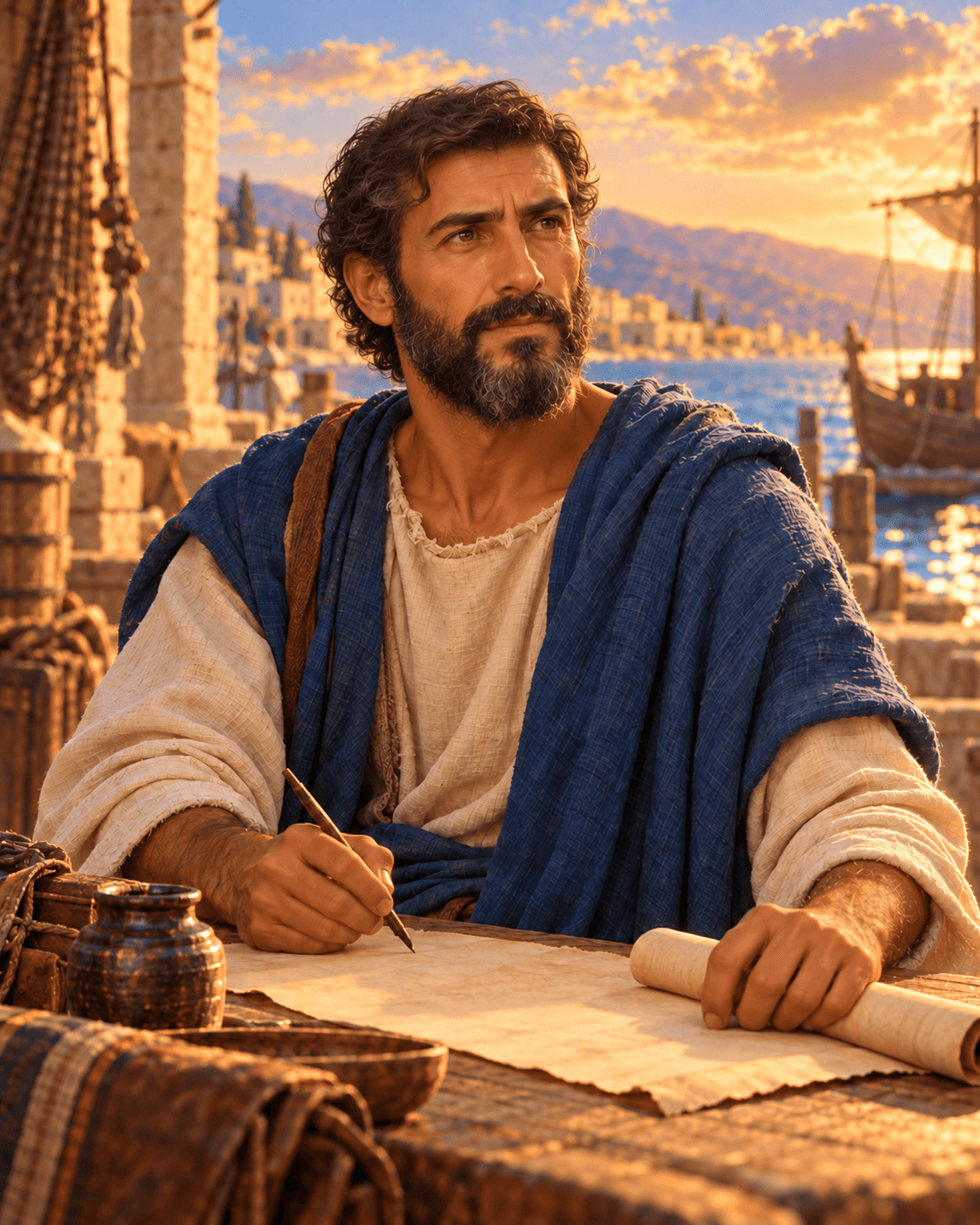 Paul
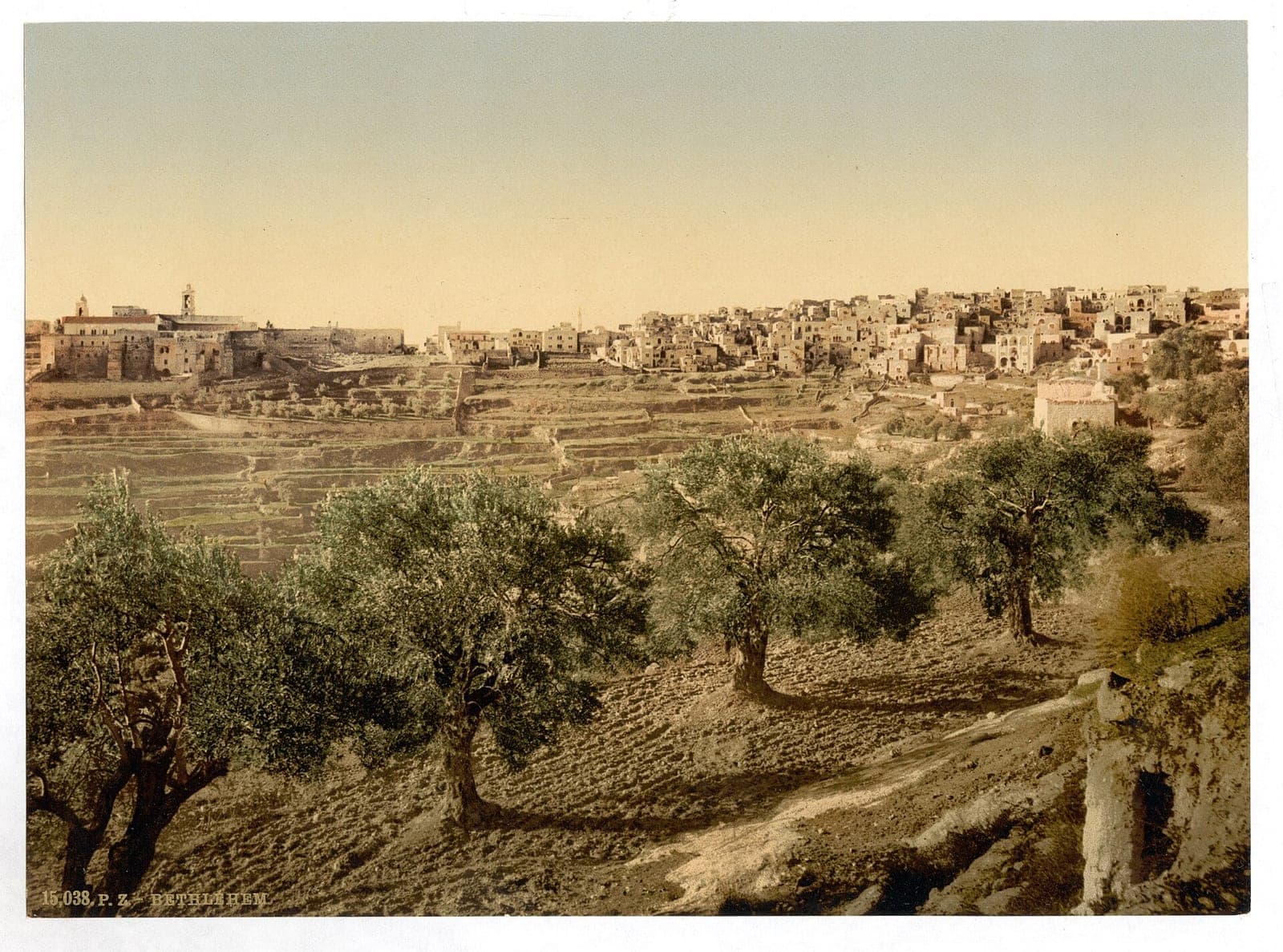
Photo: Photochrom print, Library of Congress Prints and Photographs Division (LCCN 2002724966). License: Public domain in the United States; Library of Congress states no known restrictions on publication. Source. Location: Bethlehem, West Bank; print preserved by the Library of Congress. Resized for the web.
Explore the places of the Bible
See where biblical events happened, why each place matters, and what archaeology helps us understand.
Bethlehem
David's hometown, and the town where Jesus was born.
Get full access with one subscription
Explore the people and places of the Bible. Read summaries of every book, with images and clear explanations covering every chapter. Access all these features and our Bible study tools with one subscription.
See PlansAsk AI about Luke 14:26
Ask a question about this verse and get a clear answer, with Bible references you can read for yourself.
Every Bible book, explained chapter by chapter
Explore summaries of every book of the Bible, with images and easy-to-understand explanations covering every chapter.
Keep studying Luke 14:26
Related Bible verses
Key themes
Related topics
At a Glance — the Book of Luke
- Author
- Luke the physician
- Written
- Around AD 60-62
- Genre
- Gospel and history
- Original Audience
- Gentile Christians (addressed to Theophilus)
Frequently Asked Questions
Quick, clear answers about this verse
What does Luke 14:26 mean?
Luke 14:26 means that following Jesus requires putting Him above all other relationships and even our own lives. The term 'hate' is used to express a radical shift in priorities, emphasizing total devotion to Christ.
What is the meaning of 'hate' in Luke 14:26?
In Luke 14:26, 'hate' does not refer to literal hatred but signifies a strong contrast in priorities. It suggests that one's love and commitment to Jesus should surpass all other attachments.
How can I apply Luke 14:26 in my life?
To apply Luke 14:26, reflect on your priorities and assess if anything is taking precedence over your commitment to Christ. Work on strengthening your relationship with Him and ensure your decisions align with your faith.
Why does Jesus say we must 'hate' our family in Luke 14:26?
Jesus uses the term 'hate' in Luke 14:26 to illustrate the need for radical commitment to Him. It highlights that our love for Him should be so strong that it redefines our relationships and priorities.
Daily Verse — straight to your inbox
A verse and a 2-sentence plain-English explanation, every morning. Free. Unsubscribe anytime.