New Testament
Luke 20:16
Read the Bible in clear, modern English—easy to understand, faithful to the meaning, and written for everyday readers.
He will come and destroy those farmers and give the vineyard to others." When the people heard this, they said, "God forbid."
Compare translations
He shall come and destroy these husbandmen, and shall give the vineyard to others. And when they heard it, they said, God forbid.
What Luke 20:16 means
Plain-English insight for readers
In this verse, Jesus tells a parable about a vineyard and its farmers who fail to give the owner his due. The owner represents God, and the farmers symbolize the religious leaders of Israel. When the owner sends servants to collect the fruit, the farmers mistreat them, reflecting the rejection of God's prophets. Finally, the owner sends his son, whom they also kill, illustrating the ultimate rejection of Jesus by the leaders. The statement about destroying the farmers and giving the vineyard to others signifies God's judgment on those who reject Him and His message. The crowd's reaction, 'God forbid,' shows their shock and disbelief at the idea of such judgment, indicating their understanding of the seriousness of rejecting God's authority. This parable serves as a warning about the consequences of unfaithfulness and the importance of recognizing and honoring God's messengers.
How to apply Luke 20:16 to your life
This verse reminds us to be faithful stewards of what God has entrusted to us. We should recognize and honor God's messengers in our lives, whether they are leaders, friends, or family. Rejecting God's guidance can lead to serious consequences, so we must remain open to His direction.
Curated for this public verse page. Luke Summary
Explore more of the Bible
Learn the Bible through its people and places
Get to know the people in Scripture through illustrated stories, and explore the places where they lived and traveled.
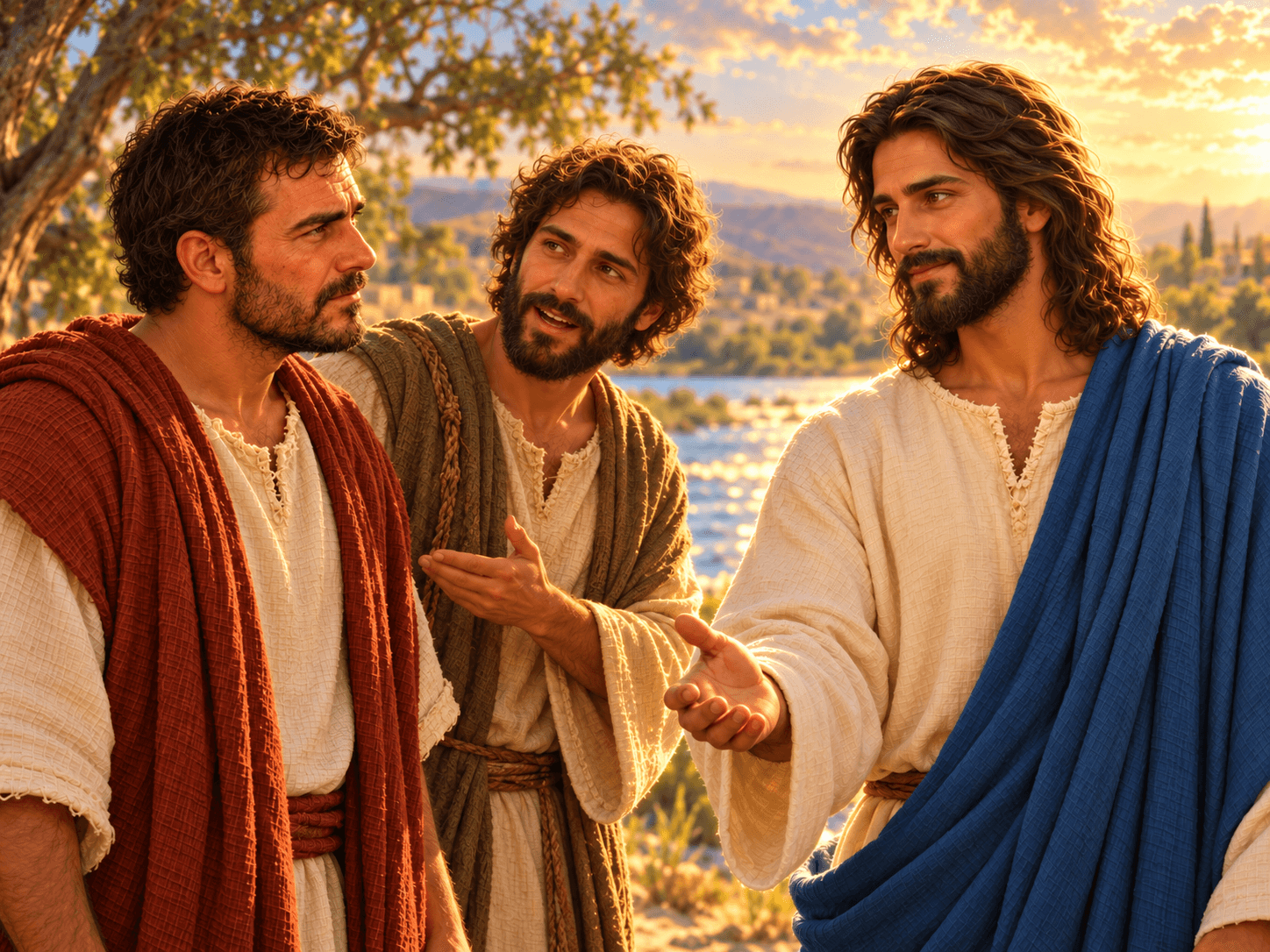
Illustrated scene from Peter's story: Andrew Brings Simon to Jesus (John 1:40–42)
Meet the people of the Bible
Follow their lives in order, with illustrated scenes and Bible passages that tell their stories.
 Peter

Photo: Photochrom print, Library of Congress Prints and Photographs Division (LCCN 2002725045). License: Public domain in the United States; Library of Congress states no known restrictions on publication. Source. Location: Nazareth, Israel; print preserved by the Library of Congress. Resized for the web.
Explore the places of the Bible
See where biblical events happened, why each place matters, and what archaeology helps us understand.
Nazareth
The small town in Galilee where Jesus grew up.
Get full access with one subscription
Explore the people and places of the Bible. Read summaries of every book, with images and clear explanations covering every chapter. Access all these features and our Bible study tools with one subscription.
See PlansAsk AI about Luke 20:16
Ask a question about this verse and get a clear answer, with Bible references you can read for yourself.
Every Bible book, explained chapter by chapter
Explore summaries of every book of the Bible, with images and easy-to-understand explanations covering every chapter.
Keep studying Luke 20:16
Related Bible verses
Related topics
At a Glance — the Book of Luke
- Author
- Luke the physician
- Written
- Around AD 60-62
- Genre
- Gospel and history
- Original Audience
- Gentile Christians (addressed to Theophilus)
Frequently Asked Questions
Quick, clear answers about this verse
What does Luke 20:16 mean?
Luke 20:16 describes a parable where a vineyard owner represents God, and the farmers symbolize Israel's religious leaders. The verse highlights the consequences of rejecting God's messengers, culminating in the judgment of those who fail to honor Him.
What is the significance of the vineyard in Luke 20:16?
In Luke 20:16, the vineyard symbolizes God's kingdom and the responsibilities given to His people. The failure of the farmers to produce fruit represents the unfaithfulness of the religious leaders in fulfilling their duties to God.
What does 'God forbid' mean in Luke 20:16?
The phrase 'God forbid' in Luke 20:16 reflects the crowd's shock and disbelief at the idea of God's judgment on the farmers. It indicates their understanding of the seriousness of rejecting God's authority and the consequences that follow.
Who are the farmers in Luke 20:16?
The farmers in Luke 20:16 represent the religious leaders of Israel who fail to honor God and mistreat His messengers. Their actions illustrate a broader rejection of God's will and the consequences of such unfaithfulness.
Daily Verse — straight to your inbox
A verse and a 2-sentence plain-English explanation, every morning. Free. Unsubscribe anytime.