New Testament
Luke 22:42
Read the Bible in clear, modern English—easy to understand, faithful to the meaning, and written for everyday readers.
Father, if you are willing, take this cup from me. Yet not my will, but yours be done.
Compare translations
Saying, Father, if thou be willing, remove this cup from me: nevertheless not my will, but thine, be done.
What Luke 22:42 means
Plain-English insight for readers
In this verse, Jesus is in deep anguish as he faces the impending crucifixion. He addresses God as 'Father,' showing his intimate relationship with Him. The 'cup' symbolizes the suffering and sacrifice he is about to endure. Jesus expresses his desire for the suffering to be removed, reflecting his human fear and distress. However, he ultimately submits to God's will, prioritizing obedience over his own desires. This moment highlights the tension between human emotions and divine purpose, illustrating Jesus' commitment to fulfilling his mission for humanity's salvation. His prayer serves as a model for believers, emphasizing the importance of seeking God's will even in difficult circumstances. It shows that while it is natural to seek relief from pain, surrendering to God's plan is essential for spiritual growth and alignment with His purpose.
How to apply Luke 22:42 to your life
In our own lives, we may face situations that cause us distress or fear. Like Jesus, we can express our feelings to God while ultimately seeking His will. This teaches us to trust in God's plan, even when it is difficult, and to prioritize His desires over our own.
Curated for this public verse page. Luke Summary
Learn the Bible through its people and places
Get to know the people in Scripture through illustrated stories, and explore the places where they lived and traveled.
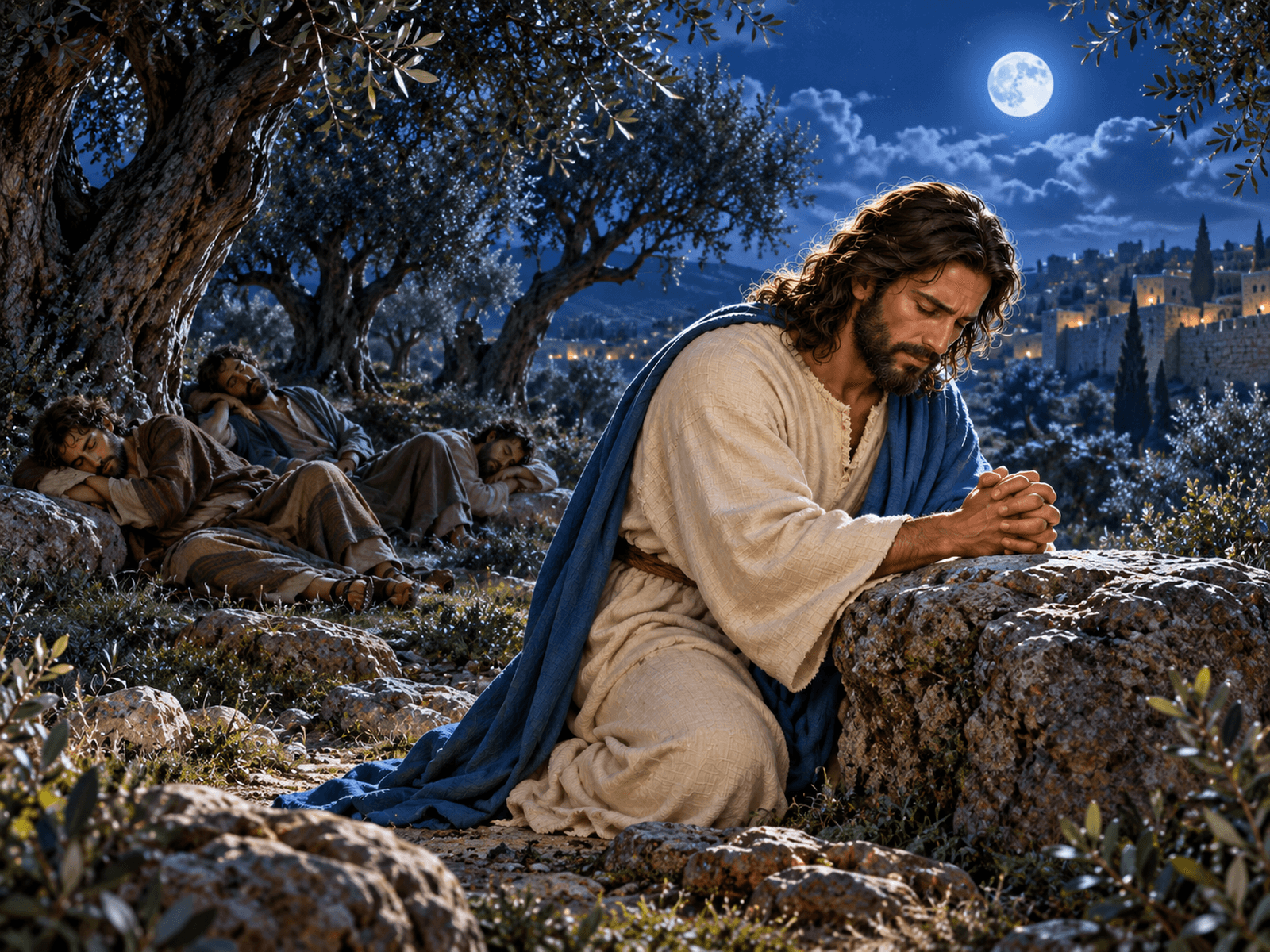
Illustrated scene from Jesus's story: Prayer in Gethsemane (Luke 22:39–46)
Meet the people of the Bible
Follow their lives in order, with illustrated scenes and Bible passages that tell their stories.
 Jesus

Photo: Gary Todd (Gary Lee Todd, Ph.D.), via Wikimedia Commons. License: CC0 1.0 Universal Public Domain Dedication. Source. Location: Southern end of the Temple Mount, Jerusalem Old City. Resized for the web.
Explore the places of the Bible
See where biblical events happened, why each place matters, and what archaeology helps us understand.
Jerusalem
David's capital, the city of the temple, and the place where Jesus died and rose again.
Get full access with one subscription
Explore the people and places of the Bible. Read summaries of every book, with images and clear explanations covering every chapter. Access all these features and our Bible study tools with one subscription.
See PlansAsk AI about Luke 22:42
Ask a question about this verse and get a clear answer, with Bible references you can read for yourself.
Every Bible book, explained chapter by chapter
Explore summaries of every book of the Bible, with images and easy-to-understand explanations covering every chapter.
Keep studying Luke 22:42
Related Bible verses
Key themes
Related topics
At a Glance — the Book of Luke
- Author
- Luke the physician
- Written
- Around AD 60-62
- Genre
- Gospel and history
- Original Audience
- Gentile Christians (addressed to Theophilus)
Frequently Asked Questions
Quick, clear answers about this verse
What does Luke 22:42 mean?
Luke 22:42 captures Jesus' emotional struggle before his crucifixion. He expresses a desire to avoid suffering but ultimately submits to God's will, highlighting the balance between human fear and divine purpose.
What is the significance of the 'cup' in Luke 22:42?
In Luke 22:42, the 'cup' symbolizes the suffering and sacrifice Jesus is about to endure. It represents the weight of sin and the impending crucifixion that he is preparing to face.
How does Luke 22:42 relate to prayer?
Luke 22:42 illustrates the essence of prayer as a conversation with God, where Jesus openly shares his fears while ultimately seeking to align with God's will. It serves as a model for believers to express their feelings while prioritizing obedience.
What does 'not my will, but yours be done' mean?
The phrase 'not my will, but yours be done' in Luke 22:42 reflects Jesus' submission to God's plan over his own desires. It emphasizes the importance of surrendering personal wishes in favor of divine guidance.
Daily Verse — straight to your inbox
A verse and a 2-sentence plain-English explanation, every morning. Free. Unsubscribe anytime.