New Testament
Luke 22:53
Read the Bible in clear, modern English—easy to understand, faithful to the meaning, and written for everyday readers.
Every day I was with you in the temple, and you did not lay a hand on me. But this is your hour, and the power of darkness.
Compare translations
When I was daily with you in the temple, ye stretched forth no hands against me: but this is your hour, and the power of darkness.
What Luke 22:53 means
Plain-English insight for readers
In this verse, Jesus addresses the religious leaders who have come to arrest him. He reminds them that during his time teaching in the temple, they did not attempt to harm him. This indicates that their actions now are premeditated and driven by their own motives. Jesus acknowledges that this moment is their 'hour,' suggesting that it is a time of opportunity for them, but it is also a time when the 'power of darkness' is at work. This phrase implies that evil forces are influencing their actions, leading them to betray and condemn him. Jesus is aware of the spiritual battle taking place, highlighting the contrast between his light and the darkness of their intentions. This moment marks a significant turning point in the narrative, as it leads to his crucifixion, fulfilling the purpose of his mission on earth.
How to apply Luke 22:53 to your life
This verse encourages us to recognize the times when we may be influenced by darkness in our own lives. It reminds us to stay vigilant and aligned with truth, especially when faced with temptation or moral dilemmas. We should seek to act with integrity, even when it is difficult.
Curated for this public verse page. Luke Summary
Learn the Bible through its people and places
Get to know the people in Scripture through illustrated stories, and explore the places where they lived and traveled.
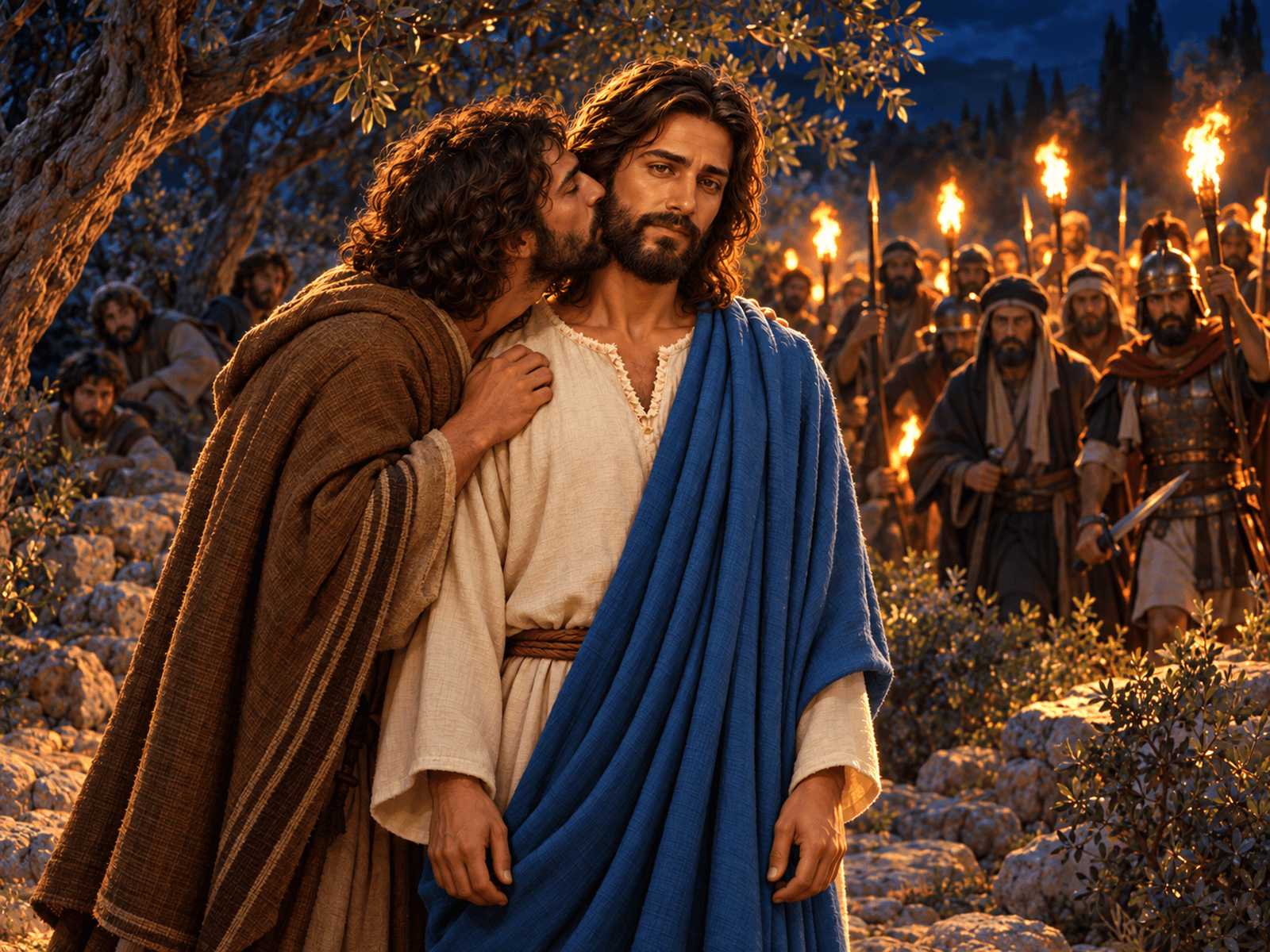
Illustrated scene from Jesus's story: The Arrest (Luke 22:47–53)
Meet the people of the Bible
Follow their lives in order, with illustrated scenes and Bible passages that tell their stories.
 Jesus

Photo: Gary Todd (Gary Lee Todd, Ph.D.), via Wikimedia Commons. License: CC0 1.0 Universal Public Domain Dedication. Source. Location: Southern end of the Temple Mount, Jerusalem Old City. Resized for the web.
Explore the places of the Bible
See where biblical events happened, why each place matters, and what archaeology helps us understand.
Jerusalem
David's capital, the city of the temple, and the place where Jesus died and rose again.
Get full access with one subscription
Explore the people and places of the Bible. Read summaries of every book, with images and clear explanations covering every chapter. Access all these features and our Bible study tools with one subscription.
See PlansAsk AI about Luke 22:53
Ask a question about this verse and get a clear answer, with Bible references you can read for yourself.
Every Bible book, explained chapter by chapter
Explore summaries of every book of the Bible, with images and easy-to-understand explanations covering every chapter.
Keep studying Luke 22:53
Related Bible verses
Key themes
Related topics
At a Glance — the Book of Luke
- Author
- Luke the physician
- Written
- Around AD 60-62
- Genre
- Gospel and history
- Original Audience
- Gentile Christians (addressed to Theophilus)
Frequently Asked Questions
Quick, clear answers about this verse
What does Luke 22:53 mean?
In Luke 22:53, Jesus speaks to the religious leaders who are arresting him, highlighting that they did not harm him while he was teaching in the temple. He indicates that their current actions are driven by their own motives and influenced by evil forces, marking a significant moment leading to his crucifixion.
What is the meaning of 'the power of darkness' in Luke 22:53?
The phrase 'the power of darkness' in Luke 22:53 refers to the evil forces that are influencing the actions of the religious leaders. It suggests that their betrayal and condemnation of Jesus are not just human decisions but are also part of a larger spiritual battle.
Why did Jesus say 'this is your hour' in Luke 22:53?
When Jesus says 'this is your hour' in Luke 22:53, he acknowledges that the religious leaders have their moment of power and opportunity to act against him. It signifies a turning point where they choose to betray him, influenced by darkness.
How does Luke 22:53 relate to themes of betrayal?
Luke 22:53 illustrates betrayal by showing how the religious leaders, who had previously not harmed Jesus, now conspire against him. This shift highlights the premeditated nature of their actions and the moral choices they make under the influence of darkness.
Daily Verse — straight to your inbox
A verse and a 2-sentence plain-English explanation, every morning. Free. Unsubscribe anytime.