New Testament
Luke 23:29
Read the Bible in clear, modern English—easy to understand, faithful to the meaning, and written for everyday readers.
"Because the days are coming when people will say, 'Blessed are the women who never had children — the wombs that never carried a baby and the breasts that never nursed.'"
Compare translations
For, behold, the days are coming, in the which they shall say, Blessed are the barren, and the wombs that never bare, and the paps which never gave suck.
What Luke 23:29 means
Plain-English insight for readers
In this verse, Jesus predicts a time of great distress and suffering, where people will ironically bless those who are childless. This reflects a cultural shift where having children, traditionally seen as a blessing, is viewed differently due to the hardships faced. The statement highlights the deep sorrow and desperation of the times, suggesting that people will long for a life free from the pain of raising children in such dire circumstances. It serves as a reminder of the value of life and the challenges that come with it, emphasizing that in times of crisis, societal values can become distorted. The mention of barren women and those who have not nursed indicates a profound sense of loss and the longing for a different reality, where motherhood is celebrated rather than lamented. This verse invites reflection on the nature of blessings and the societal pressures that can shape our perceptions of worth and fulfillment.
How to apply Luke 23:29 to your life
This verse encourages us to appreciate the blessings in our lives, especially during difficult times. It reminds us to support those who may feel societal pressure or shame, fostering a community that values all experiences, including those of childlessness, rather than judging them.
Curated for this public verse page. Luke Summary
Learn the Bible through its people and places
Get to know the people in Scripture through illustrated stories, and explore the places where they lived and traveled.
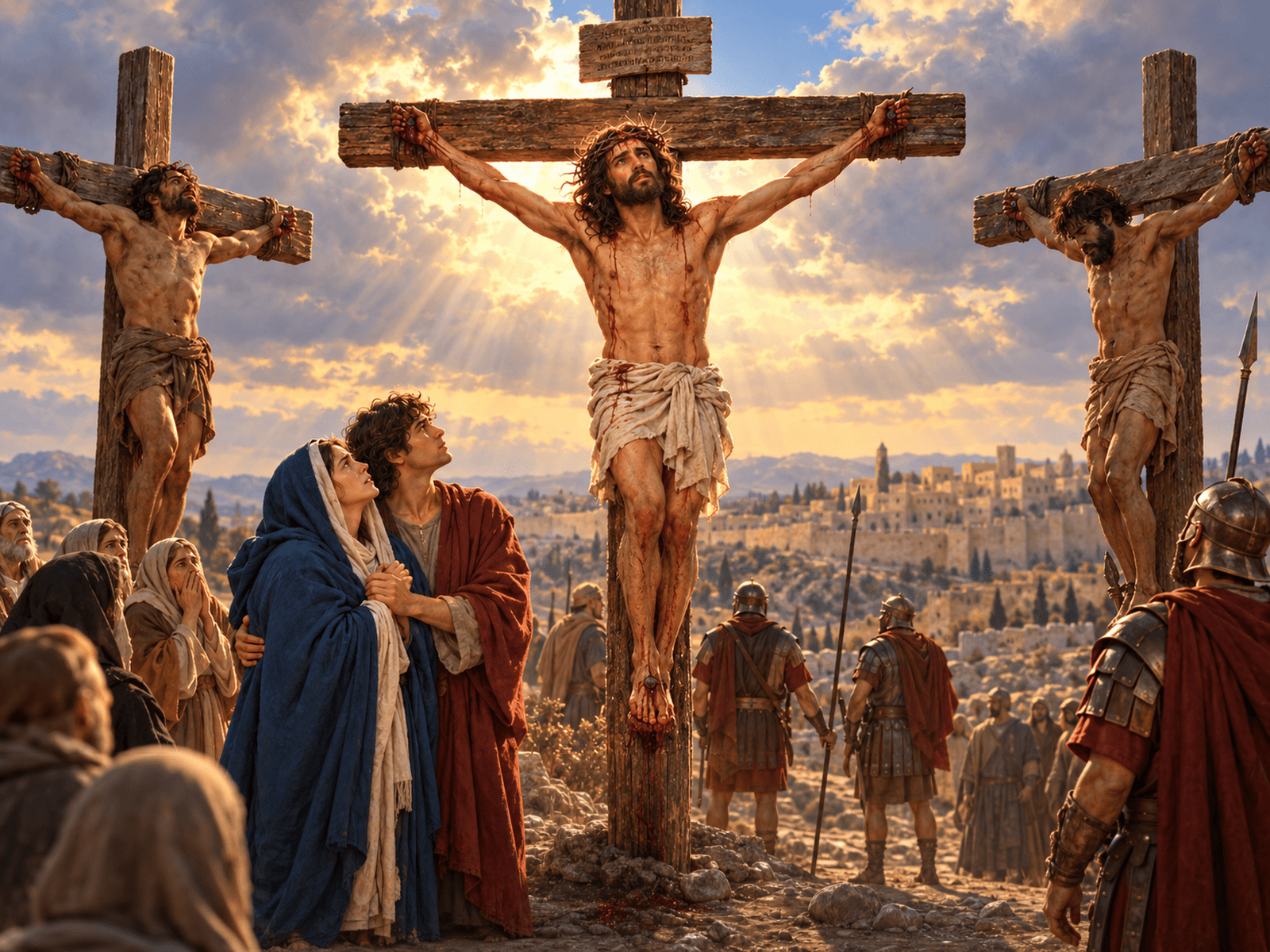
Illustrated scene from Jesus's story: The Crucifixion (Luke 23:26–43)
Meet the people of the Bible
Follow their lives in order, with illustrated scenes and Bible passages that tell their stories.
 Jesus
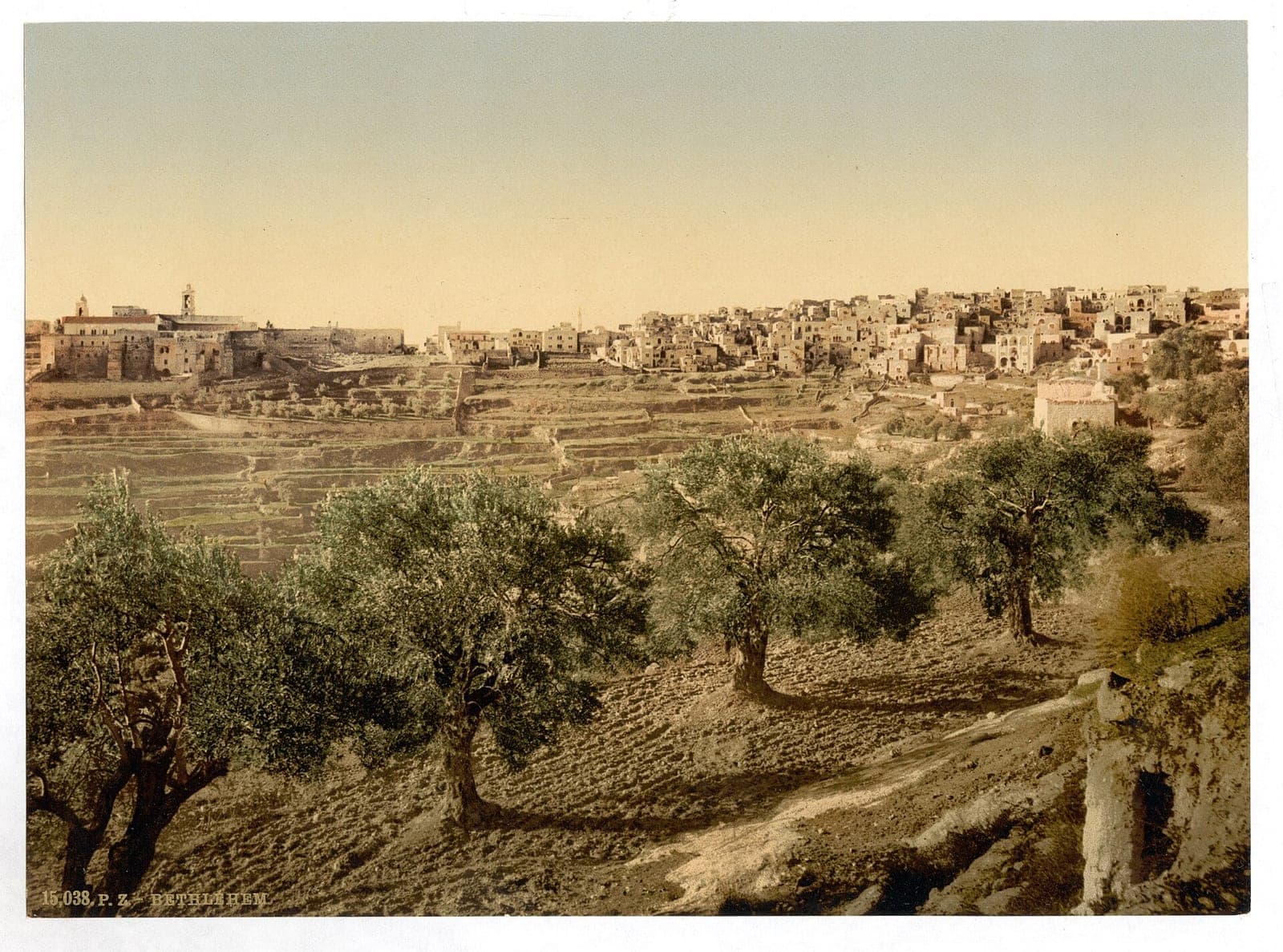
Photo: Photochrom print, Library of Congress Prints and Photographs Division (LCCN 2002724966). License: Public domain in the United States; Library of Congress states no known restrictions on publication. Source. Location: Bethlehem, West Bank; print preserved by the Library of Congress. Resized for the web.
Explore the places of the Bible
See where biblical events happened, why each place matters, and what archaeology helps us understand.
Bethlehem
David's hometown, and the town where Jesus was born.
Get full access with one subscription
Explore the people and places of the Bible. Read summaries of every book, with images and clear explanations covering every chapter. Access all these features and our Bible study tools with one subscription.
See PlansAsk AI about Luke 23:29
Ask a question about this verse and get a clear answer, with Bible references you can read for yourself.
Every Bible book, explained chapter by chapter
Explore summaries of every book of the Bible, with images and easy-to-understand explanations covering every chapter.
Keep studying Luke 23:29
Related Bible verses
Key themes
Related topics
At a Glance — the Book of Luke
- Author
- Luke the physician
- Written
- Around AD 60-62
- Genre
- Gospel and history
- Original Audience
- Gentile Christians (addressed to Theophilus)
Frequently Asked Questions
Quick, clear answers about this verse
What does Luke 23:29 mean?
Luke 23:29 reflects a time of great suffering where people will ironically bless those who are childless. It highlights a cultural shift in values during distress, suggesting that motherhood, once seen as a blessing, is viewed differently in times of crisis.
What is the meaning of 'blessed are the barren' in Luke 23:29?
The phrase 'blessed are the barren' indicates a societal perspective during hardship where having children is seen as a burden rather than a blessing. It underscores the deep sorrow and desperation of the times, contrasting traditional views on motherhood.
How does Luke 23:29 relate to motherhood?
Luke 23:29 presents a stark view of motherhood during difficult times, suggesting that the pain and challenges of raising children can lead to a longing for childlessness. It reflects a cultural shift in how motherhood is perceived in the face of adversity.
What themes are present in Luke 23:29?
Key themes in Luke 23:29 include suffering, irony, cultural values, motherhood, desperation, and blessings. The verse invites reflection on how societal pressures can shape our understanding of what it means to be blessed.
Daily Verse — straight to your inbox
A verse and a 2-sentence plain-English explanation, every morning. Free. Unsubscribe anytime.