New Testament
Luke 6:5
Read the Bible in clear, modern English—easy to understand, faithful to the meaning, and written for everyday readers.
Then he told them, "The Son of Man is also Lord of the Sabbath."
Compare translations
And he said unto them, That the Son of man is Lord also of the sabbath.
What Luke 6:5 means
Plain-English insight for readers
In this verse, Jesus asserts his authority over the Sabbath, a day traditionally set aside for rest and worship in Jewish law. By declaring himself as 'Lord of the Sabbath,' he emphasizes that the Sabbath is meant to serve humanity's needs rather than impose burdens. This statement challenges the rigid interpretations of the law by the religious leaders of the time, who often prioritized rules over compassion. Jesus' role as the 'Son of Man' signifies his connection to humanity and his mission to bring healing and restoration. His declaration invites people to understand that the Sabbath should be a time for doing good and showing mercy, rather than merely following rules. This teaching encourages believers to prioritize love and kindness in their observance of religious practices, reminding them that the spirit of the law is more important than the letter of the law.
How to apply Luke 6:5 to your life
This verse encourages us to approach our religious practices with a heart of compassion. Instead of getting caught up in strict rules, we should focus on how we can show love and kindness to others, especially on days of worship or rest.
Curated for this public verse page. Luke Summary
Explore more of the Bible
Learn the Bible through its people and places
Get to know the people in Scripture through illustrated stories, and explore the places where they lived and traveled.
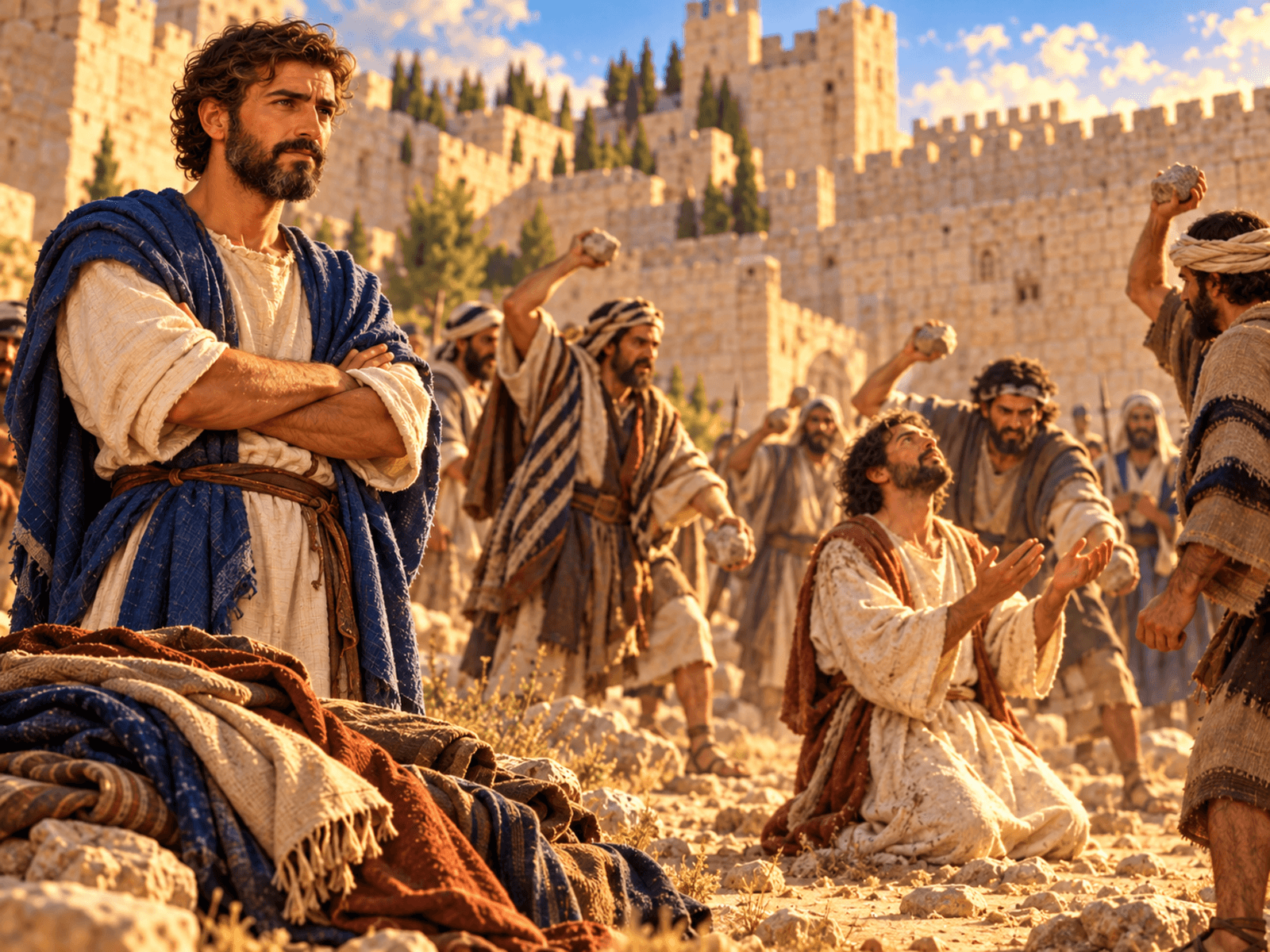
Illustrated scene from Paul's story: The Stoning of Stephen (Acts 7:57–8:2)
Meet the people of the Bible
Follow their lives in order, with illustrated scenes and Bible passages that tell their stories.
 Paul

Photo: Photochrom print, Library of Congress Prints and Photographs Division (LCCN 2002725045). License: Public domain in the United States; Library of Congress states no known restrictions on publication. Source. Location: Nazareth, Israel; print preserved by the Library of Congress. Resized for the web.
Explore the places of the Bible
See where biblical events happened, why each place matters, and what archaeology helps us understand.
Nazareth
The small town in Galilee where Jesus grew up.
Get full access with one subscription
Explore the people and places of the Bible. Read summaries of every book, with images and clear explanations covering every chapter. Access all these features and our Bible study tools with one subscription.
See PlansAsk AI about Luke 6:5
Ask a question about this verse and get a clear answer, with Bible references you can read for yourself.
Every Bible book, explained chapter by chapter
Explore summaries of every book of the Bible, with images and easy-to-understand explanations covering every chapter.
Keep studying Luke 6:5
Related Bible verses
Key themes
At a Glance — the Book of Luke
- Author
- Luke the physician
- Written
- Around AD 60-62
- Genre
- Gospel and history
- Original Audience
- Gentile Christians (addressed to Theophilus)
Frequently Asked Questions
Quick, clear answers about this verse
What does Luke 6:5 mean?
In Luke 6:5, Jesus declares that he is the 'Lord of the Sabbath,' indicating his authority over this day of rest. This statement highlights that the Sabbath should prioritize human needs and compassion rather than strict adherence to rules.
How does Luke 6:5 relate to compassion?
Luke 6:5 relates to compassion by teaching that the Sabbath should be a time for kindness and mercy. Jesus challenges the idea that religious observance should come before helping others.
What does 'Son of Man' mean in Luke 6:5?
In Luke 6:5, 'Son of Man' refers to Jesus' identity and connection to humanity. It underscores his mission to bring healing and restoration, emphasizing his role in understanding human needs.
Daily Verse — straight to your inbox
A verse and a 2-sentence plain-English explanation, every morning. Free. Unsubscribe anytime.