New Testament
Luke 7:31
Read the Bible in clear, modern English—easy to understand, faithful to the meaning, and written for everyday readers.
"So what should I compare the people of this generation to? What are they like?
Compare translations
And the Lord said, Whereunto then shall I liken the men of this generation? and to what are they like?
What Luke 7:31 means
Plain-English insight for readers
In this verse, Jesus is questioning the nature of the people in His generation. He is seeking to illustrate their behavior and attitudes through a comparison. The rhetorical question highlights a sense of frustration with how people respond to His message and the messages of others, like John the Baptist. The generation is depicted as being difficult to please, as they reject both the ascetic lifestyle of John and the more social approach of Jesus. This reflects a broader theme of how people often resist change and truth, preferring to cling to their own ways rather than embrace new ideas or revelations. Jesus uses this moment to challenge His listeners to reflect on their own attitudes and responses to His teachings, urging them to consider what they truly value and how they engage with the truth.
How to apply Luke 7:31 to your life
This verse encourages us to examine our own responses to truth and change. Are we open to new ideas, or do we resist them? It challenges us to reflect on our attitudes and to be willing to embrace growth and understanding, rather than clinging to comfort or tradition.
Curated for this public verse page. Luke Summary
Learn the Bible through its people and places
Get to know the people in Scripture through illustrated stories, and explore the places where they lived and traveled.

Illustrated scene from John the Baptist's story: John's Question from Prison (Luke 7:18–35)
Meet the people of the Bible
Follow their lives in order, with illustrated scenes and Bible passages that tell their stories.
 John the Baptist
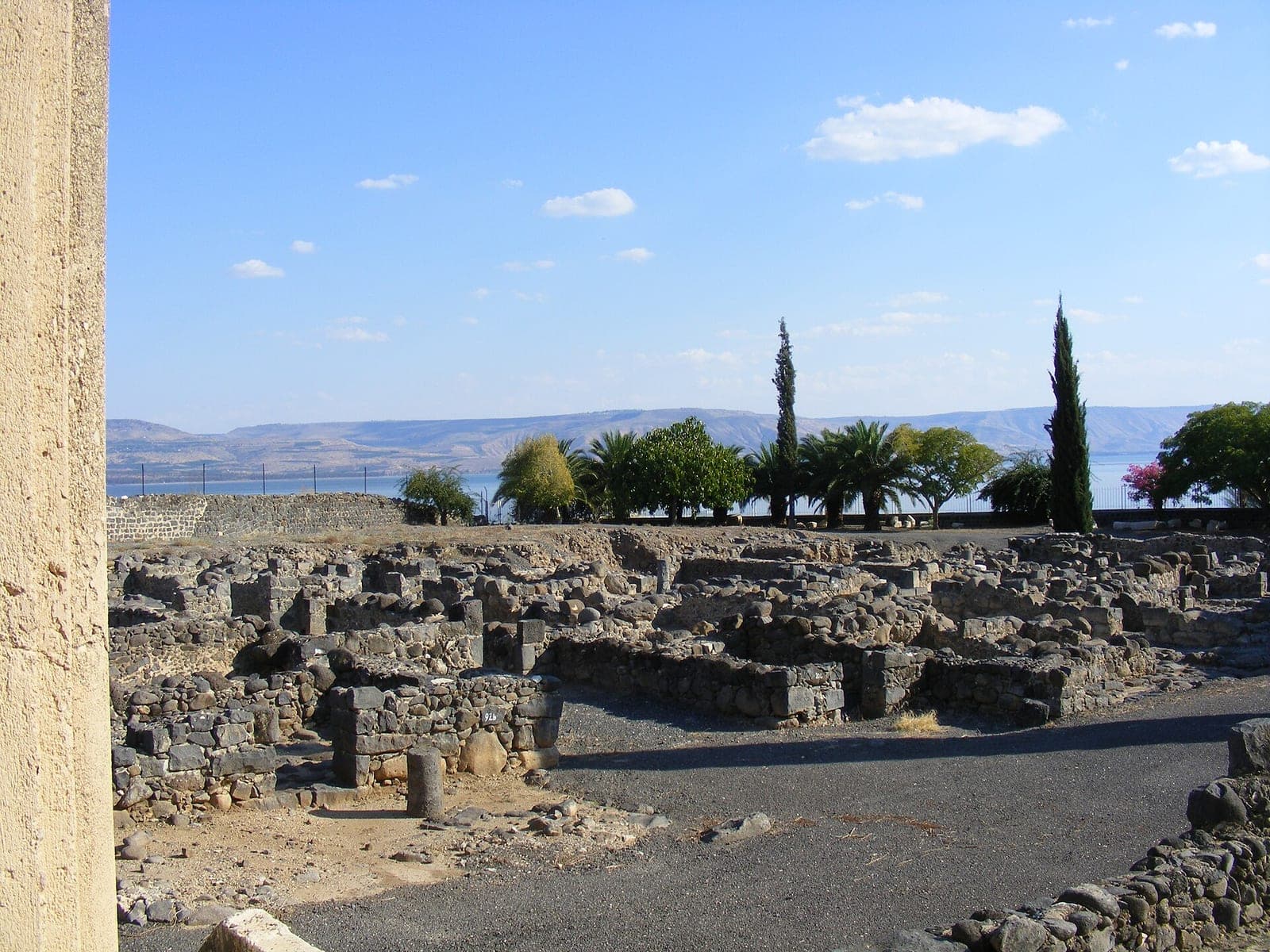
Photo: zeevveez, via Wikimedia Commons. License: CC BY 2.0. Source. Location: Capernaum, on the northern shore of the Sea of Galilee. Resized for the web.
Explore the places of the Bible
See where biblical events happened, why each place matters, and what archaeology helps us understand.
Capernaum
Jesus' home base by the Sea of Galilee, and the town where Peter lived.
Get full access with one subscription
Explore the people and places of the Bible. Read summaries of every book, with images and clear explanations covering every chapter. Access all these features and our Bible study tools with one subscription.
See PlansAsk AI about Luke 7:31
Ask a question about this verse and get a clear answer, with Bible references you can read for yourself.
Every Bible book, explained chapter by chapter
Explore summaries of every book of the Bible, with images and easy-to-understand explanations covering every chapter.
Keep studying Luke 7:31
Key themes
Related topics
At a Glance — the Book of Luke
- Author
- Luke the physician
- Written
- Around AD 60-62
- Genre
- Gospel and history
- Original Audience
- Gentile Christians (addressed to Theophilus)
Frequently Asked Questions
Quick, clear answers about this verse
What does Luke 7:31 mean?
In Luke 7:31, Jesus questions the nature of the people in His generation, illustrating their behavior and attitudes. He highlights their difficulty in being pleased, as they reject both John the Baptist's ascetic lifestyle and His own social approach.
What is the meaning of 'this generation' in Luke 7:31?
In this verse, 'this generation' refers to the people living during Jesus' time who were resistant to change and truth. Jesus uses this phrase to express frustration with their inability to accept different messages from Him and John the Baptist.
How does Luke 7:31 relate to self-reflection?
This verse encourages self-reflection by prompting individuals to consider their responses to truth and change. It asks us to evaluate whether we are open to new ideas or resistant to them.
What themes are present in Luke 7:31?
Key themes in Luke 7:31 include generational attitudes, rejection of truth, and the challenge of self-reflection. The verse illustrates societal frustration and the need to engage with new ideas.
Daily Verse — straight to your inbox
A verse and a 2-sentence plain-English explanation, every morning. Free. Unsubscribe anytime.