New Testament
Matthew 13:40
Read the Bible in clear, modern English—easy to understand, faithful to the meaning, and written for everyday readers.
Just as the weeds are pulled up and burned in the fire, that's how it will be at the end of the age.
Compare translations
As therefore the tares are gathered and burned in the fire; so shall it be in the end of this world.
What Matthew 13:40 means
Plain-English insight for readers
In this verse, Jesus uses the imagery of weeds, or tares, being gathered and burned to illustrate a future event known as the end of the age. Just as farmers remove weeds from their crops to ensure a good harvest, God will separate the righteous from the wicked at the end of time. The burning of the weeds symbolizes judgment and the consequences of living a life apart from God. This teaching emphasizes the reality of divine justice and the importance of living according to God's will. It serves as a warning that there will be a time of reckoning when all actions will be accounted for, and those who do not follow God's ways will face judgment. This verse encourages believers to remain steadfast in their faith and to be mindful of their choices, as they will ultimately determine their eternal destiny.
How to apply Matthew 13:40 to your life
This verse reminds us to evaluate our lives and choices in light of God's standards. We should strive to live righteously and avoid behaviors that lead us away from God. It encourages us to support one another in faith and to share the message of hope and redemption with others.
Curated for this public verse page. Matthew Summary
Learn the Bible through its people and places
Get to know the people in Scripture through illustrated stories, and explore the places where they lived and traveled.
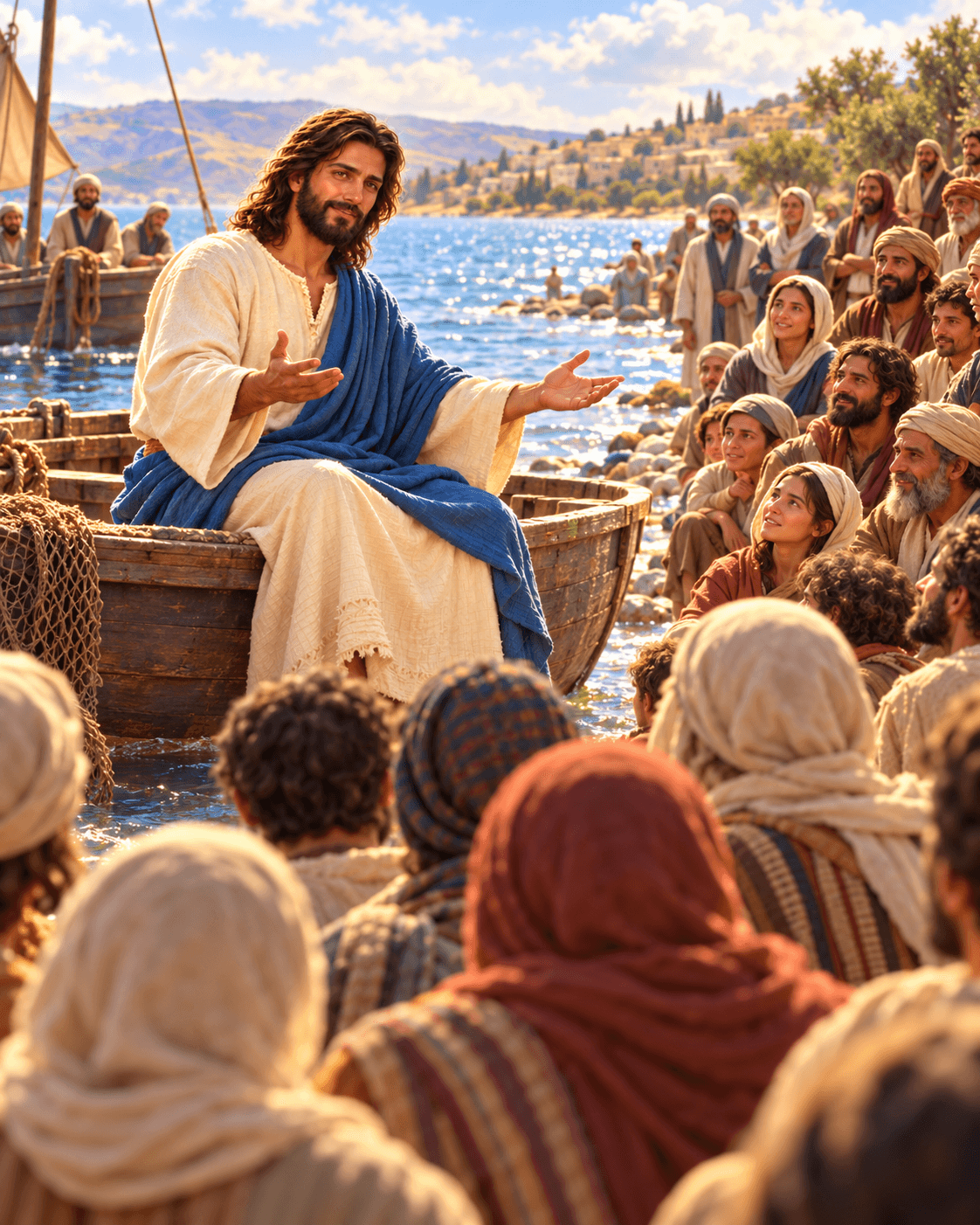
Illustrated scene from Jesus's story: Parables by the Sea (Matthew 13:1–52)
Meet the people of the Bible
Follow their lives in order, with illustrated scenes and Bible passages that tell their stories.
 Jesus
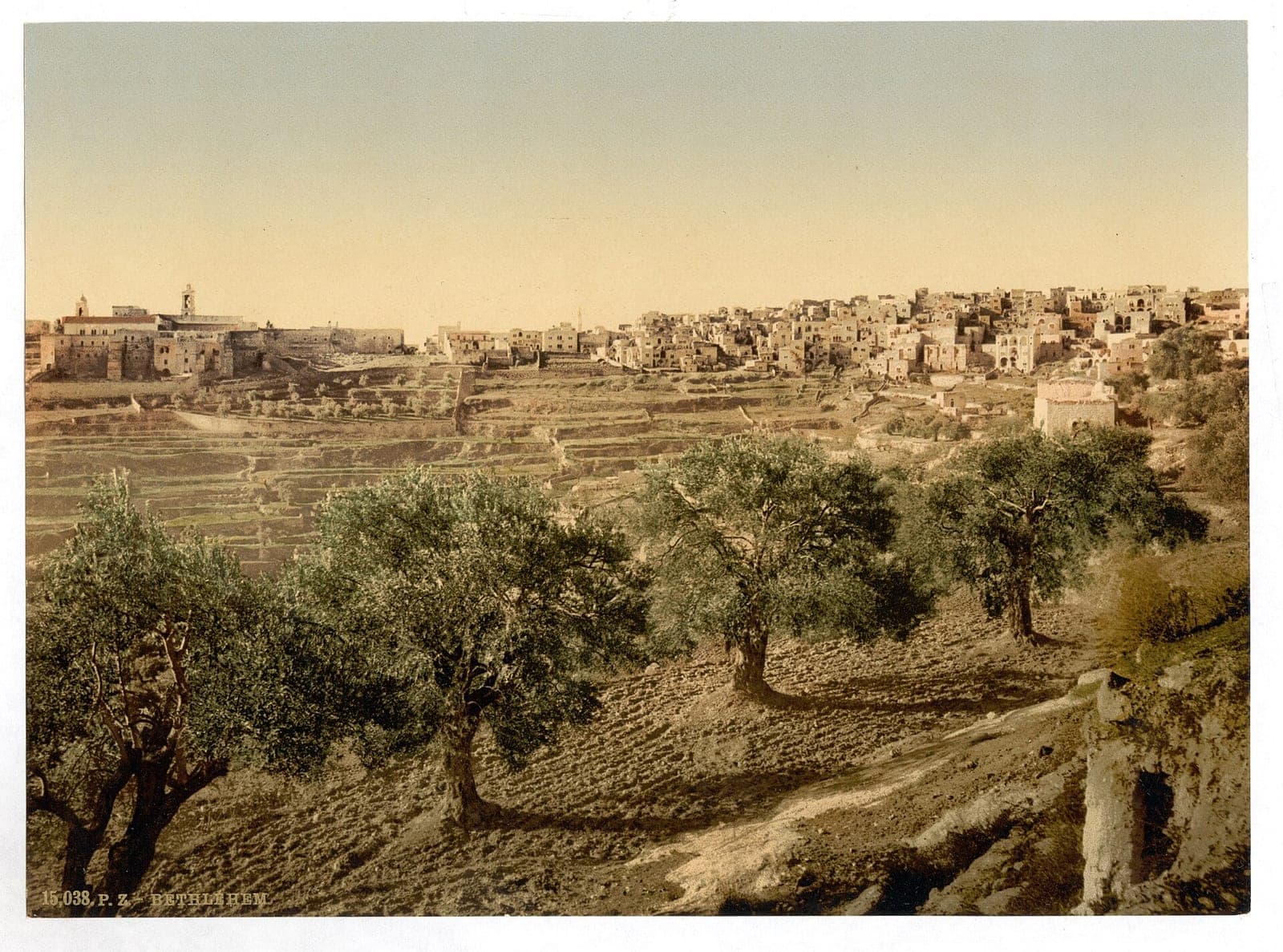
Photo: Photochrom print, Library of Congress Prints and Photographs Division (LCCN 2002724966). License: Public domain in the United States; Library of Congress states no known restrictions on publication. Source. Location: Bethlehem, West Bank; print preserved by the Library of Congress. Resized for the web.
Explore the places of the Bible
See where biblical events happened, why each place matters, and what archaeology helps us understand.
Bethlehem
David's hometown, and the town where Jesus was born.
Get full access with one subscription
Explore the people and places of the Bible. Read summaries of every book, with images and clear explanations covering every chapter. Access all these features and our Bible study tools with one subscription.
See PlansAsk AI about Matthew 13:40
Ask a question about this verse and get a clear answer, with Bible references you can read for yourself.
Every Bible book, explained chapter by chapter
Explore summaries of every book of the Bible, with images and easy-to-understand explanations covering every chapter.
Keep studying Matthew 13:40
Related Bible verses
Key themes
Related topics
At a Glance — the Book of Matthew
- Author
- Matthew the apostle
- Written
- Around AD 60-70
- Genre
- Gospel
- Original Audience
- Jewish Christians
Frequently Asked Questions
Quick, clear answers about this verse
What does Matthew 13:40 mean?
Matthew 13:40 uses the metaphor of weeds being burned to illustrate the final judgment at the end of the age, where God will separate the righteous from the wicked.
What is the meaning of 'end of the age' in Matthew 13:40?
The 'end of the age' refers to a future time when God will bring about final judgment, determining the eternal fate of all people based on their actions and faith.
How does Matthew 13:40 relate to judgment?
Matthew 13:40 illustrates the concept of judgment by comparing the gathering and burning of weeds to God's separation of the righteous from the wicked at the end of the age.
What can we learn from Matthew 13:40?
From Matthew 13:40, we learn the importance of living righteously and being mindful of our choices, as they will ultimately determine our eternal destiny.
Daily Verse — straight to your inbox
A verse and a 2-sentence plain-English explanation, every morning. Free. Unsubscribe anytime.