New Testament
Matthew 15:20
Read the Bible in clear, modern English—easy to understand, faithful to the meaning, and written for everyday readers.
These are the things that make a person unclean. Eating with unwashed hands doesn't make anyone unclean."
Compare translations
These are the things which defile a man: but to eat with unwashen hands defileth not a man.
What Matthew 15:20 means
Plain-English insight for readers
In this verse, Jesus clarifies what truly makes a person unclean or defiled. He emphasizes that it is not the act of eating with unwashed hands that makes someone impure, but rather the thoughts and actions that come from within a person. The religious leaders of the time focused on external rituals and traditions, believing that physical cleanliness was essential for spiritual purity. However, Jesus teaches that moral and spiritual integrity is far more important. The things that come from the heart, such as evil thoughts, murder, and deceit, are what truly defile a person. This teaching shifts the focus from external practices to internal character, highlighting the need for genuine righteousness that comes from within.
How to apply Matthew 15:20 to your life
This verse encourages us to examine our hearts and thoughts rather than just our outward actions. We should focus on cultivating inner purity and integrity, ensuring that our thoughts and intentions align with our faith. True cleanliness comes from a heart that seeks to honor God.
Curated for this public verse page. Matthew Summary
Explore more of the Bible
Learn the Bible through its people and places
Get to know the people in Scripture through illustrated stories, and explore the places where they lived and traveled.
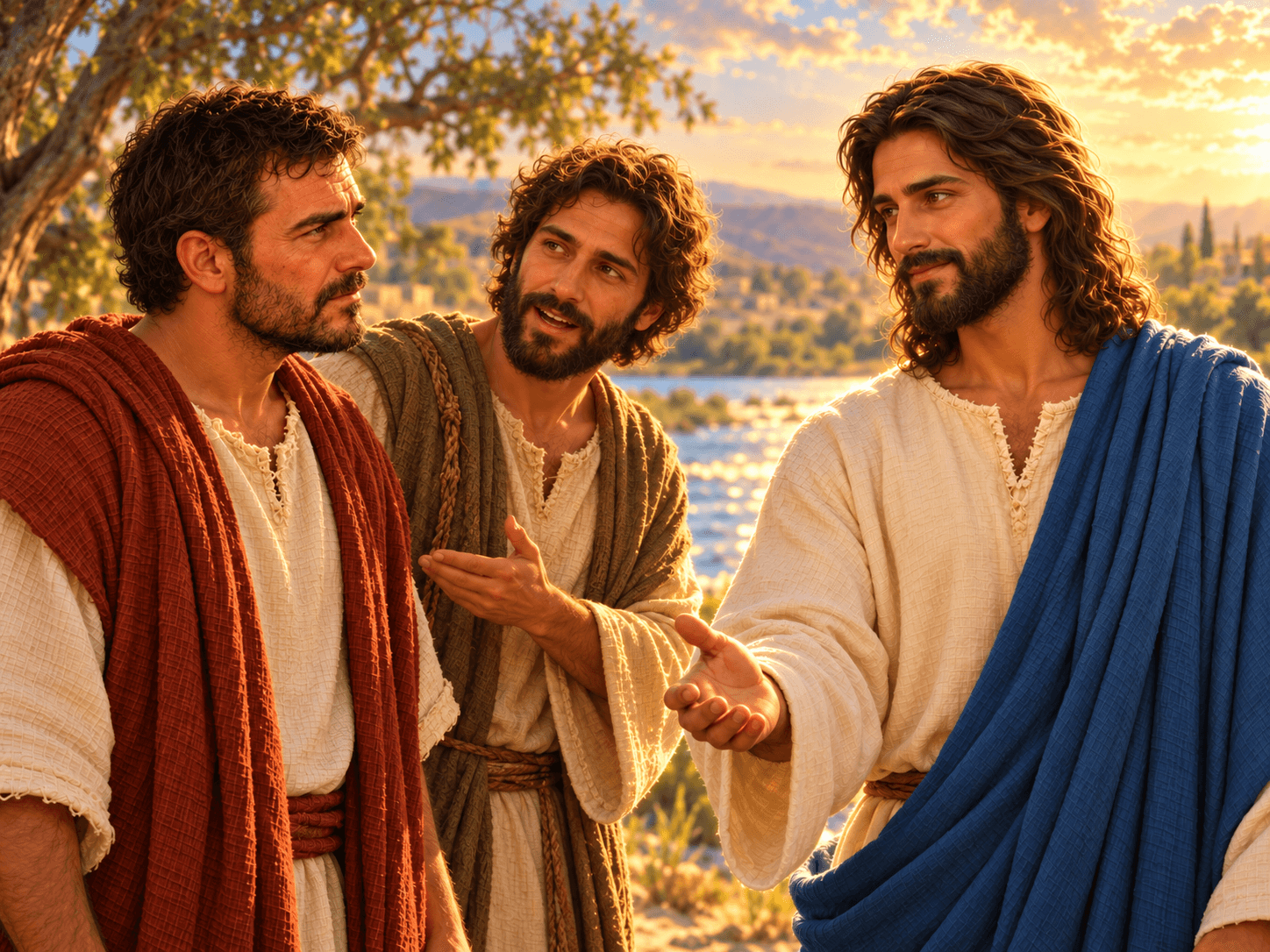
Illustrated scene from Peter's story: Andrew Brings Simon to Jesus (John 1:40–42)
Meet the people of the Bible
Follow their lives in order, with illustrated scenes and Bible passages that tell their stories.
 Peter

Photo: zeevveez, via Wikimedia Commons. License: CC BY 2.0. Source. Location: Capernaum, on the northern shore of the Sea of Galilee. Resized for the web.
Explore the places of the Bible
See where biblical events happened, why each place matters, and what archaeology helps us understand.
Capernaum
Jesus' home base by the Sea of Galilee, and the town where Peter lived.
Get full access with one subscription
Explore the people and places of the Bible. Read summaries of every book, with images and clear explanations covering every chapter. Access all these features and our Bible study tools with one subscription.
See PlansAsk AI about Matthew 15:20
Ask a question about this verse and get a clear answer, with Bible references you can read for yourself.
Every Bible book, explained chapter by chapter
Explore summaries of every book of the Bible, with images and easy-to-understand explanations covering every chapter.
Keep studying Matthew 15:20
Related Bible verses
Key themes
At a Glance — the Book of Matthew
- Author
- Matthew the apostle
- Written
- Around AD 60-70
- Genre
- Gospel
- Original Audience
- Jewish Christians
Frequently Asked Questions
Quick, clear answers about this verse
What does Matthew 15:20 mean?
Matthew 15:20 means that true defilement comes from within a person, not from external actions like eating with unwashed hands. Jesus emphasizes that moral and spiritual integrity are what truly matter.
What is the meaning of defile in Matthew 15:20?
In Matthew 15:20, 'defile' refers to becoming morally or spiritually unclean. Jesus teaches that it is the evil thoughts and actions from the heart that truly make a person unclean.
How does Matthew 15:20 relate to inner purity?
Matthew 15:20 relates to inner purity by highlighting that true cleanliness comes from the heart. It encourages individuals to focus on their thoughts and intentions rather than just outward appearances.
What does Jesus teach in Matthew 15:20?
In Matthew 15:20, Jesus teaches that it is not the physical act of eating with unwashed hands that defiles a person, but rather the sinful thoughts and actions that originate from within.
Daily Verse — straight to your inbox
A verse and a 2-sentence plain-English explanation, every morning. Free. Unsubscribe anytime.