Matthew 15:5
But you say, “Whoever tells his father or mother, ‘Whatever you might have gained from me is a gift,’”
What Matthew 15:5 means
Plain-English insight for readers
In this verse, Jesus criticizes the religious leaders for allowing people to neglect their responsibilities to their parents by claiming that their money is dedicated to God. This practice, known as Corban, was a loophole that allowed individuals to avoid helping their aging parents financially. By declaring their funds as a gift to God, they felt justified in not providing for their family, which contradicted the commandment to honor one's father and mother. Jesus highlights the hypocrisy of this teaching, showing that it undermines the very essence of God's law, which emphasizes love and care for family. The verse serves as a reminder that religious practices should not be used to excuse neglecting moral obligations, particularly towards family members who are in need.
How to apply Matthew 15:5 to your life
This verse encourages us to reflect on our priorities and responsibilities. We should ensure that our religious commitments do not lead us to neglect our duties to our family. Supporting and caring for our parents is a vital part of honoring them, and we must find a balance between our faith and our familial obligations.
In the King James Version
But ye say, Whosoever shall say to his father or his mother, It is a gift, by whatsoever thou mightest be profited by me;
Ask about this verse
Ask anything about Matthew 15:5 and get a clear answer from Scripture.
Have a question about this verse? Explore it with ClearBible.
Premium answers your questions about any verse from Scripture itself, shows the verses it rests on, and opens Clear on every passage. You also get all 66 book summaries.
7 days free, then $99/year. Card required. Cancel anytime.
Explore more of the Bible
Learn the Bible through its people and places
Get to know the people in Scripture through illustrated stories, and explore the places where they lived and traveled.
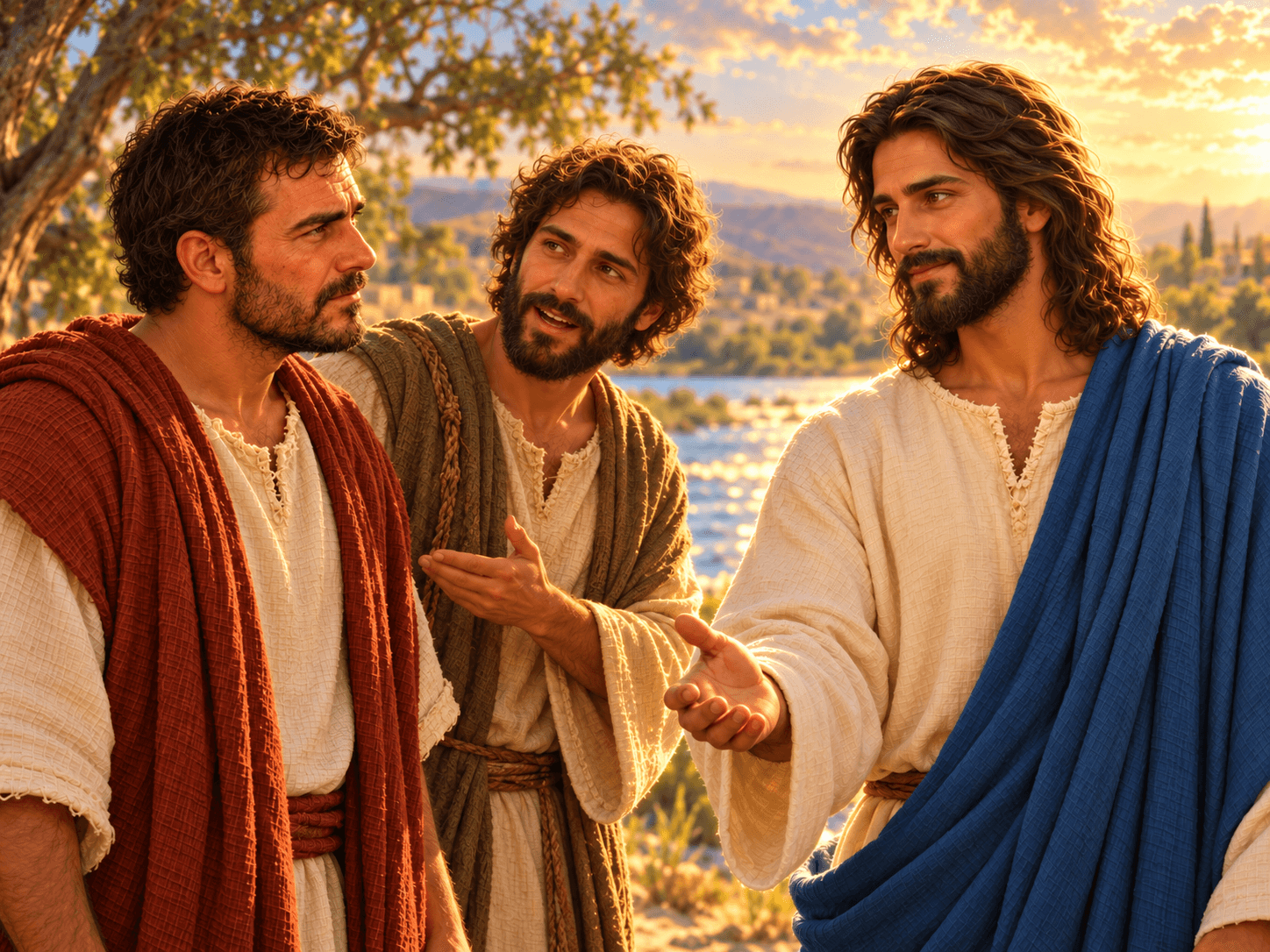
Illustrated scene from Peter's story: Andrew Brings Simon to Jesus (John 1:40–42)
Meet the people of the Bible
Follow their lives in order, with illustrated scenes and Bible passages that tell their stories.
 Peter

Photo: zeevveez, via Wikimedia Commons. License: CC BY 2.0. Source. Location: Capernaum, on the northern shore of the Sea of Galilee. Resized for the web.
Explore the places of the Bible
See where biblical events happened, why each place matters, and what archaeology helps us understand.
Capernaum
Jesus' home base by the Sea of Galilee, and the town where Peter lived.
Every Bible book, explained chapter by chapter
Explore summaries of every book of the Bible, with images and easy-to-understand explanations covering every chapter.
Keep studying Matthew 15:5
Related Bible verses
Key themes
Related topics
At a Glance — the Book of Matthew
- Author
- Matthew the apostle
- Written
- Around AD 60-70
- Genre
- Gospel
- Original Audience
- Jewish Christians
Frequently Asked Questions
Quick, clear answers about this verse
What does Matthew 15:5 mean?
Matthew 15:5 highlights Jesus' criticism of religious leaders who allowed people to avoid supporting their parents by declaring their money as dedicated to God. This practice, known as Corban, was seen as a way to sidestep the commandment to honor one's father and mother.
What is the meaning of Corban in Matthew 15:5?
Corban refers to a practice where individuals could declare their money or possessions as a gift to God, thus exempting them from using those resources to help their parents. Jesus pointed out that this loophole contradicted the moral obligation to care for family.
How does Matthew 15:5 relate to family responsibility?
Matthew 15:5 underscores the importance of family responsibility by showing that religious obligations should not replace the duty to care for one's parents. It serves as a reminder that honoring family is a key aspect of living out one's faith.
What lesson can we learn from Matthew 15:5?
The lesson from Matthew 15:5 is to prioritize our moral obligations, especially towards family, over religious practices that may lead to neglect. It encourages a balance between faith commitments and caring for loved ones.
Daily Verse — straight to your inbox
A verse and a 2-sentence plain-English explanation, every morning. Free. Unsubscribe anytime.