New Testament
Matthew 18:31
Read the Bible in clear, modern English—easy to understand, faithful to the meaning, and written for everyday readers.
When the other servants saw what happened, they were deeply upset. They went and reported the whole thing to the king.
Compare translations
So when his fellowservants saw what was done, they were very sorry, and came and told unto their lord all that was done.
What Matthew 18:31 means
Plain-English insight for readers
In this verse, we see the reaction of the other servants after witnessing an unjust act. They were deeply troubled by what they saw, indicating a strong sense of morality and justice among them. Their sorrow reflects the seriousness of the situation, as one servant, who had been forgiven a massive debt, failed to show the same mercy to another servant who owed him a much smaller amount. This moment highlights the importance of compassion and forgiveness in relationships. The other servants felt compelled to report this wrongdoing to the king, showing that they valued justice and accountability. Their actions serve as a reminder that our behavior towards others can have significant consequences, and that we should strive to treat others with the same grace we have received. This verse sets the stage for the king's response, emphasizing the theme of forgiveness and the expectations that come with it.
How to apply Matthew 18:31 to your life
This verse encourages us to reflect on how we treat others, especially when we have received forgiveness ourselves. It challenges us to extend grace and mercy to those who wrong us, rather than holding onto grudges. By doing so, we align ourselves with the values of compassion and justice.
Curated for this public verse page. Matthew Summary
Learn the Bible through its people and places
Get to know the people in Scripture through illustrated stories, and explore the places where they lived and traveled.
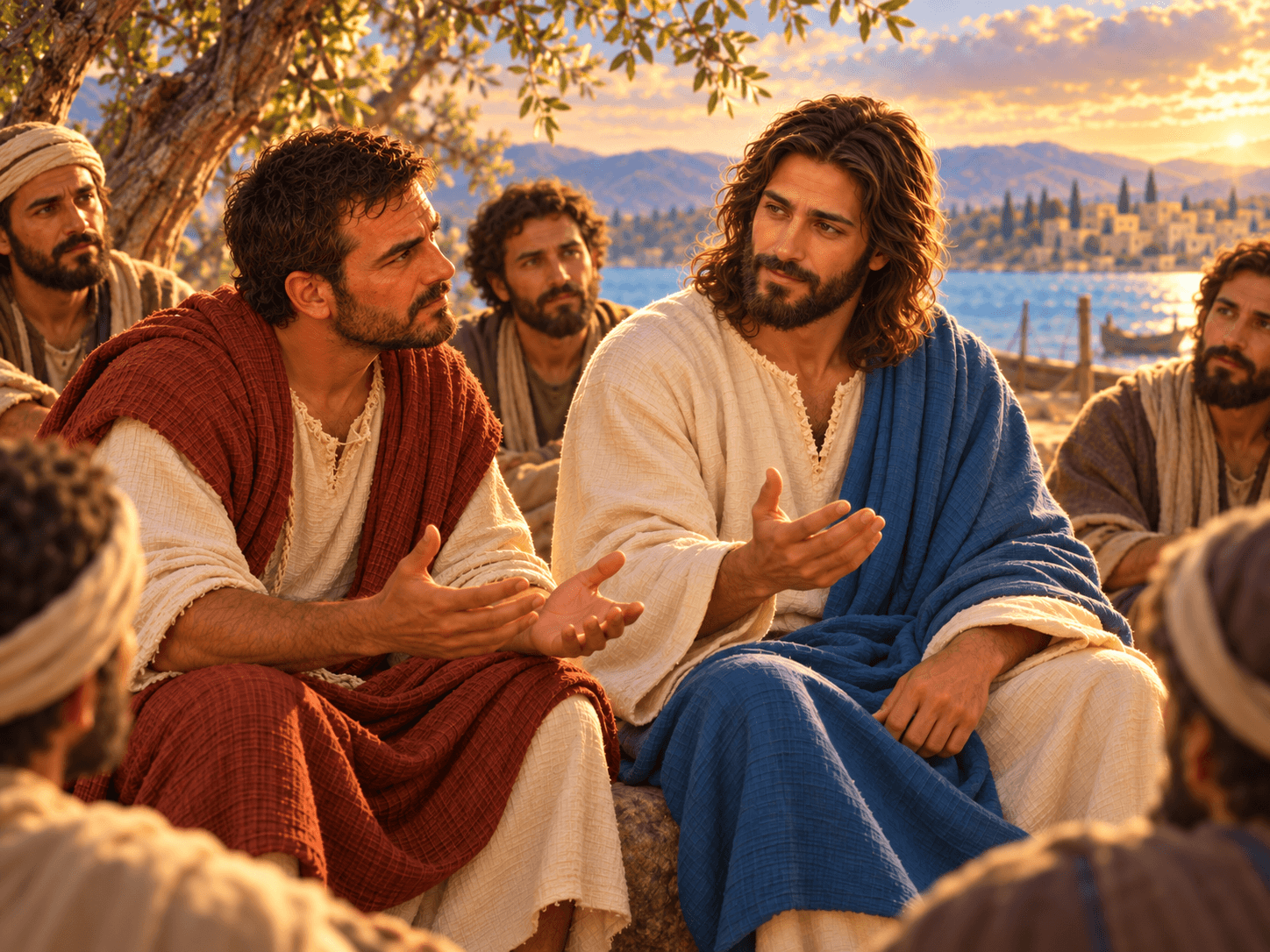
Illustrated scene from Peter's story: “How Many Times Shall I Forgive?” (Matthew 18:21–35)
Meet the people of the Bible
Follow their lives in order, with illustrated scenes and Bible passages that tell their stories.
 Peter

Photo: Photochrom print, Library of Congress Prints and Photographs Division (LCCN 2002725045). License: Public domain in the United States; Library of Congress states no known restrictions on publication. Source. Location: Nazareth, Israel; print preserved by the Library of Congress. Resized for the web.
Explore the places of the Bible
See where biblical events happened, why each place matters, and what archaeology helps us understand.
Nazareth
The small town in Galilee where Jesus grew up.
Get full access with one subscription
Explore the people and places of the Bible. Read summaries of every book, with images and clear explanations covering every chapter. Access all these features and our Bible study tools with one subscription.
See PlansAsk AI about Matthew 18:31
Ask a question about this verse and get a clear answer, with Bible references you can read for yourself.
Every Bible book, explained chapter by chapter
Explore summaries of every book of the Bible, with images and easy-to-understand explanations covering every chapter.
Keep studying Matthew 18:31
Related Bible verses
Key themes
Related topics
At a Glance — the Book of Matthew
- Author
- Matthew the apostle
- Written
- Around AD 60-70
- Genre
- Gospel
- Original Audience
- Jewish Christians
Frequently Asked Questions
Quick, clear answers about this verse
What does Matthew 18:31 mean?
Matthew 18:31 illustrates the reaction of the other servants who witnessed an unjust act. They were upset by the lack of mercy shown by one servant who had been forgiven a large debt but refused to forgive a smaller one.
What is the meaning of accountability in Matthew 18:31?
In this verse, accountability is shown through the actions of the other servants who reported the wrongdoing to the king. Their decision to speak up highlights the importance of justice and the responsibility to address unfair behavior.
How does Matthew 18:31 relate to forgiveness?
Matthew 18:31 relates to forgiveness by demonstrating the expectation that those who have been forgiven should also extend forgiveness to others. The servants' reaction underscores the importance of mercy in relationships.
What lesson can we learn from Matthew 18:31?
The lesson from Matthew 18:31 is to reflect on our treatment of others, especially when we have been shown grace. It encourages us to practice compassion and to hold ourselves accountable for our actions.
Daily Verse — straight to your inbox
A verse and a 2-sentence plain-English explanation, every morning. Free. Unsubscribe anytime.