New Testament
Matthew 2:3
Read the Bible in clear, modern English—easy to understand, faithful to the meaning, and written for everyday readers.
When King Herod heard this, he was troubled, and so was everyone in Jerusalem.
Compare translations
When Herod the king had heard these things, he was troubled, and all Jerusalem with him.
What Matthew 2:3 means
Plain-English insight for readers
In this verse, King Herod reacts to the news of the birth of Jesus, the prophesied King of the Jews. His troubled state indicates fear and insecurity about his own power and position. Herod's concern is not just personal; it reflects a broader anxiety among the people of Jerusalem. They are unsettled by the implications of a new king, which could threaten the existing order and stability. This moment highlights the tension between earthly rulers and the divine authority of Jesus. The reaction of Herod and the people serves as a foreshadowing of the conflict that will arise as Jesus' ministry unfolds. It also illustrates how the arrival of Christ can provoke fear in those who are invested in maintaining their own power and control. The verse sets the stage for the events that follow, where Herod's fear leads to drastic actions against the innocent, showcasing the lengths to which people will go to protect their interests.
How to apply Matthew 2:3 to your life
This verse reminds us that the arrival of Jesus can challenge our comfort zones and the status quo. We should reflect on our own reactions to change and how we respond to the presence of Christ in our lives. Are we open to His influence, or do we resist it out of fear?
Curated for this public verse page. Matthew Summary
Learn the Bible through its people and places
Get to know the people in Scripture through illustrated stories, and explore the places where they lived and traveled.
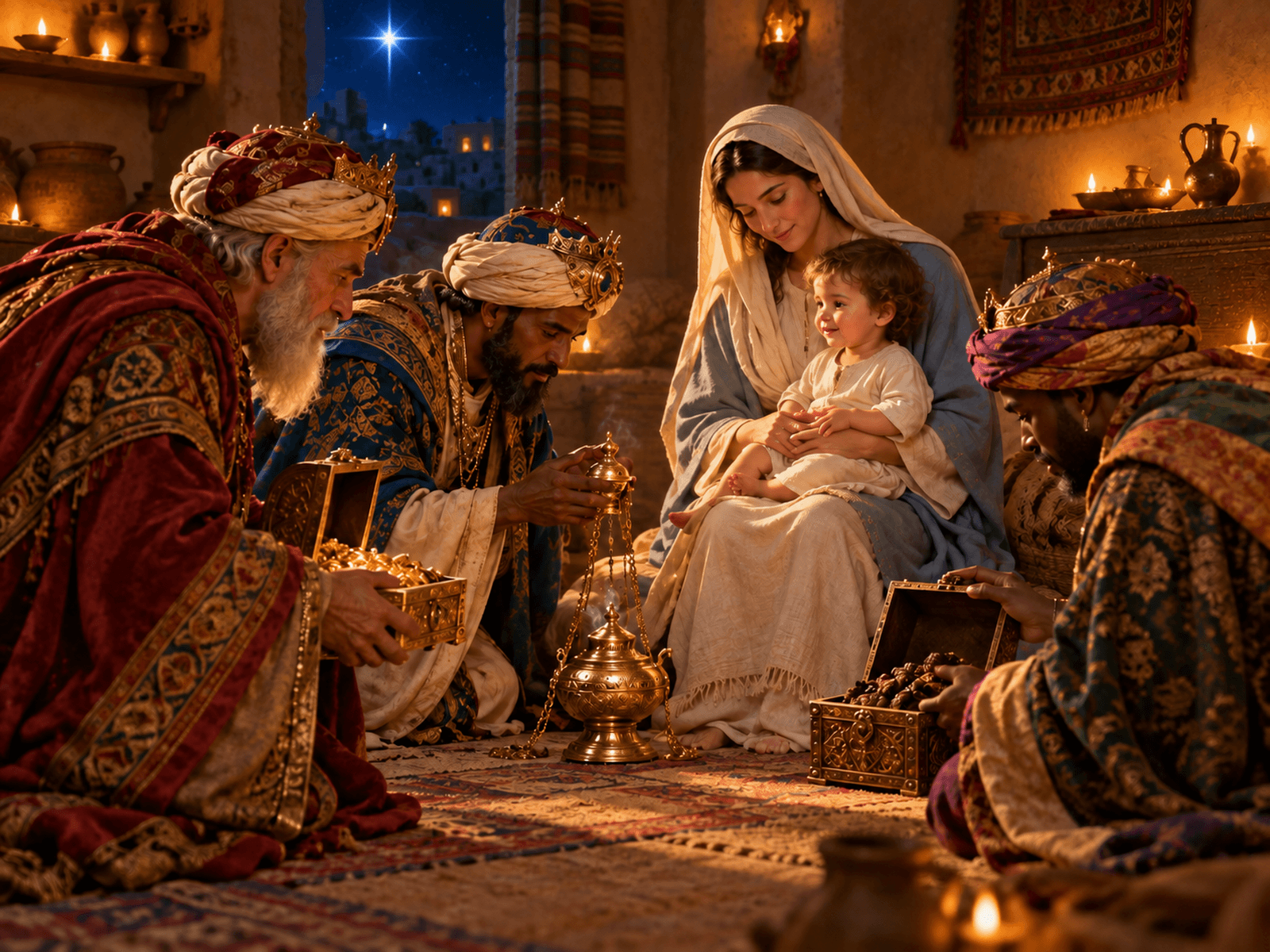
Illustrated scene from Jesus's story: Wise Men Worship the Child (Matthew 2:1–12)
Meet the people of the Bible
Follow their lives in order, with illustrated scenes and Bible passages that tell their stories.
 Jesus
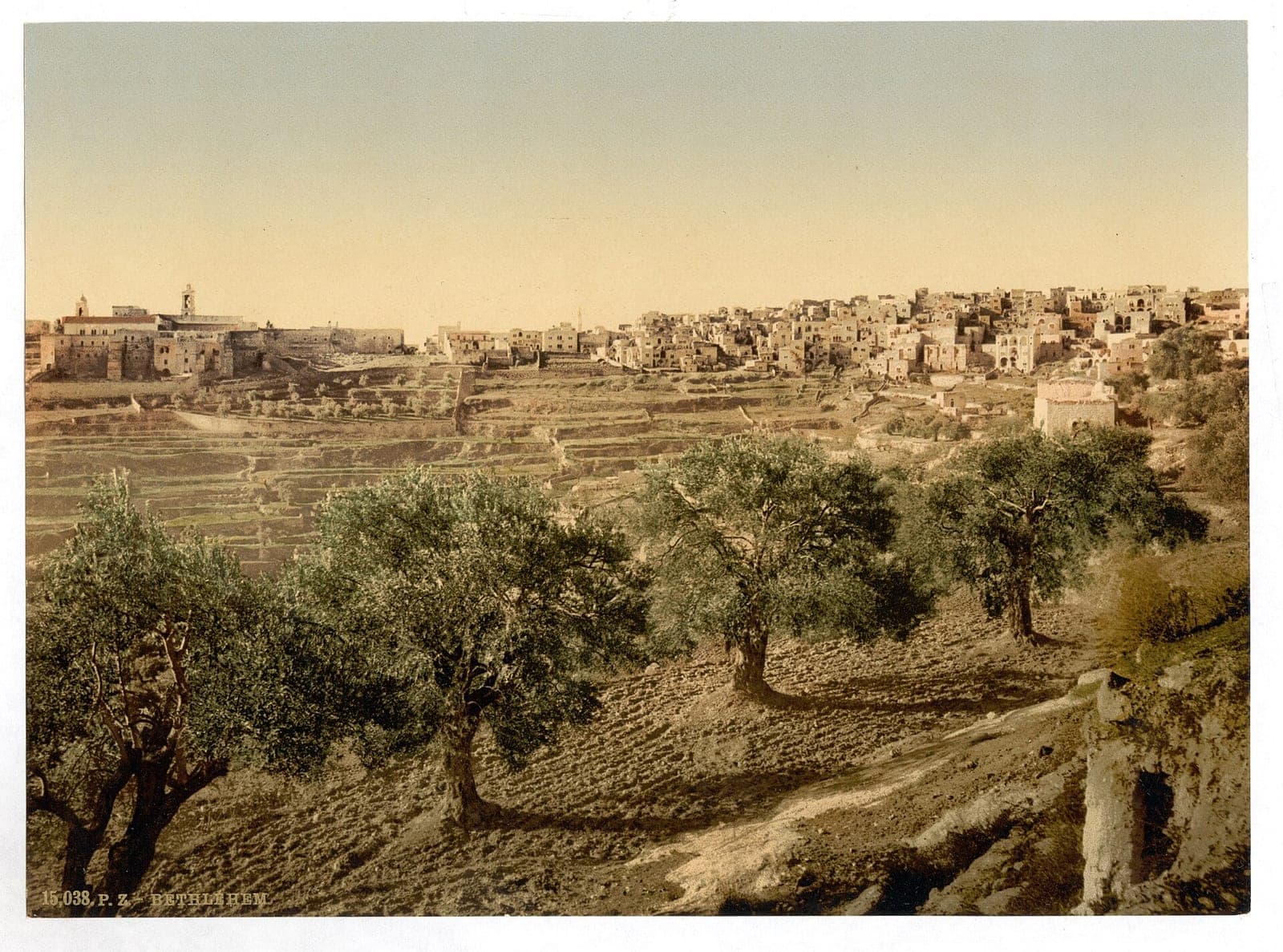
Photo: Photochrom print, Library of Congress Prints and Photographs Division (LCCN 2002724966). License: Public domain in the United States; Library of Congress states no known restrictions on publication. Source. Location: Bethlehem, West Bank; print preserved by the Library of Congress. Resized for the web.
Explore the places of the Bible
See where biblical events happened, why each place matters, and what archaeology helps us understand.
Bethlehem
David's hometown, and the town where Jesus was born.
Get full access with one subscription
Explore the people and places of the Bible. Read summaries of every book, with images and clear explanations covering every chapter. Access all these features and our Bible study tools with one subscription.
See PlansAsk AI about Matthew 2:3
Ask a question about this verse and get a clear answer, with Bible references you can read for yourself.
Every Bible book, explained chapter by chapter
Explore summaries of every book of the Bible, with images and easy-to-understand explanations covering every chapter.
Keep studying Matthew 2:3
Related Bible verses
Key themes
At a Glance — the Book of Matthew
- Author
- Matthew the apostle
- Written
- Around AD 60-70
- Genre
- Gospel
- Original Audience
- Jewish Christians
Frequently Asked Questions
Quick, clear answers about this verse
Why was King Herod troubled by the news of Jesus' birth?
King Herod was troubled by the news of Jesus' birth because it threatened his power and authority as the reigning king. The announcement of a new 'King of the Jews' implied a challenge to his rule, which made him fearful of losing his position. This fear was not just personal; it reflected a broader anxiety among the people of Jerusalem, who were unsettled by the potential upheaval that a new king could bring.
What does the reaction of Jerusalem to Herod's trouble indicate?
The reaction of Jerusalem to Herod's trouble indicates a collective anxiety about the implications of a new king. The people were likely concerned about the stability of their lives and the political order. Herod's distress created a ripple effect, causing the citizens to feel uneasy about the potential changes that could arise from the birth of Jesus, highlighting the tension between earthly authority and divine purpose.
How does Matthew 2:3 foreshadow future events in Jesus' life?
Matthew 2:3 foreshadows future events in Jesus' life by illustrating the conflict between Him and earthly powers. Herod's troubled reaction sets the stage for the drastic measures he will take to eliminate the perceived threat posed by Jesus, including the massacre of infants in Bethlehem. This early tension hints at the ongoing struggle between good and evil that will characterize Jesus' ministry and ultimately lead to His crucifixion.
What can we learn from Herod's response to Jesus' birth?
Herod's response to Jesus' birth teaches us about the human tendency to resist change, especially when it threatens our comfort or control. It prompts us to reflect on our own reactions to the presence of Christ in our lives. Are we open to His transformative influence, or do we respond with fear and resistance, trying to maintain our own status quo? This verse encourages us to examine how we handle challenges to our authority and beliefs.
Daily Verse — straight to your inbox
A verse and a 2-sentence plain-English explanation, every morning. Free. Unsubscribe anytime.