New Testament
Matthew 26:75
Read the Bible in clear, modern English—easy to understand, faithful to the meaning, and written for everyday readers.
Peter remembered what Jesus had told him: "Before the rooster crows, you will deny me 3 times." He went outside and wept bitterly.
Compare translations
And Peter remembered the word of Jesus, which said unto him, Before the cock crow, thou shalt deny me thrice. And he went out, and wept bitterly.
What Matthew 26:75 means
Plain-English insight for readers
In this verse, Peter recalls Jesus' prediction that he would deny knowing Him three times before the rooster crowed. This moment is significant because it highlights Peter's failure to stand by Jesus during a critical time. After realizing he had done exactly what Jesus foretold, Peter is overwhelmed with guilt and sorrow, leading him to weep bitterly. This reaction shows the depth of his remorse and the weight of his betrayal. It serves as a powerful reminder of human weakness and the struggle between loyalty and fear. Peter's experience illustrates the importance of being vigilant in faith and the potential for failure even among the most devoted followers. This moment also sets the stage for Peter's eventual restoration and forgiveness, emphasizing that even in our failures, there is hope for redemption.
How to apply Matthew 26:75 to your life
This verse encourages us to reflect on our own faithfulness and the times we may have faltered. It reminds us that everyone makes mistakes, but true repentance and acknowledgment of our failures can lead to healing and restoration. We should strive to remain steadfast in our commitments.
Curated for this public verse page. Matthew Summary
Learn the Bible through its people and places
Get to know the people in Scripture through illustrated stories, and explore the places where they lived and traveled.
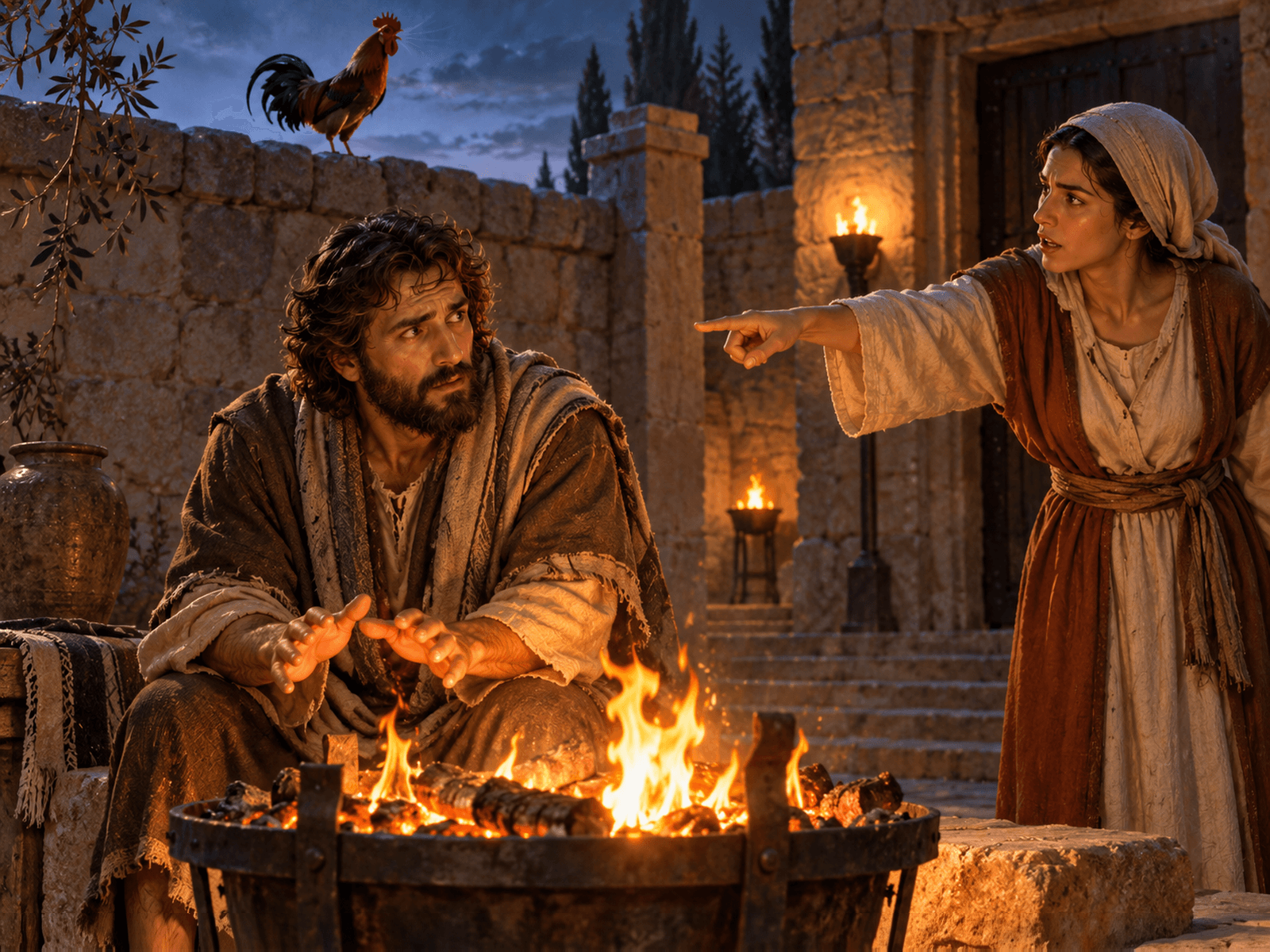
Illustrated scene from Jesus's story: Peter Denies Jesus (Matthew 26:69–75)
Meet the people of the Bible
Follow their lives in order, with illustrated scenes and Bible passages that tell their stories.
 Jesus
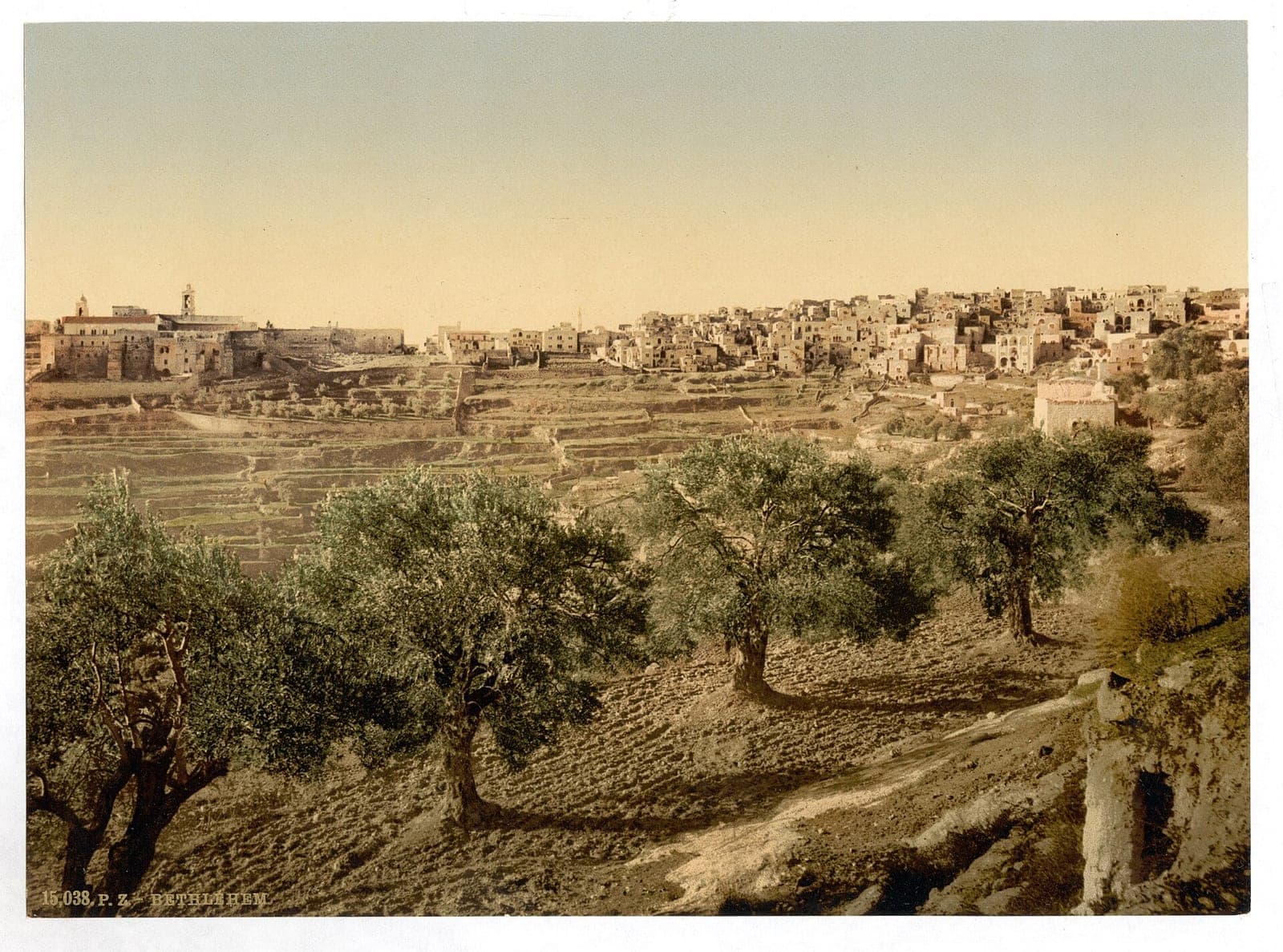
Photo: Photochrom print, Library of Congress Prints and Photographs Division (LCCN 2002724966). License: Public domain in the United States; Library of Congress states no known restrictions on publication. Source. Location: Bethlehem, West Bank; print preserved by the Library of Congress. Resized for the web.
Explore the places of the Bible
See where biblical events happened, why each place matters, and what archaeology helps us understand.
Bethlehem
David's hometown, and the town where Jesus was born.
Get full access with one subscription
Explore the people and places of the Bible. Read summaries of every book, with images and clear explanations covering every chapter. Access all these features and our Bible study tools with one subscription.
See PlansAsk AI about Matthew 26:75
Ask a question about this verse and get a clear answer, with Bible references you can read for yourself.
Every Bible book, explained chapter by chapter
Explore summaries of every book of the Bible, with images and easy-to-understand explanations covering every chapter.
Keep studying Matthew 26:75
Related Bible verses
Related topics
At a Glance — the Book of Matthew
- Author
- Matthew the apostle
- Written
- Around AD 60-70
- Genre
- Gospel
- Original Audience
- Jewish Christians
Frequently Asked Questions
Quick, clear answers about this verse
What does Matthew 26:75 teach about betrayal?
Matthew 26:75 highlights the theme of betrayal through Peter's denial of Jesus. It shows that even the most devoted followers can falter under pressure. This moment serves as a reminder of the human tendency to succumb to fear and the importance of staying true to our beliefs, even in difficult circumstances.
Why did Peter weep bitterly after denying Jesus?
Peter wept bitterly because he realized he had betrayed Jesus just as predicted. His tears reflect deep remorse and guilt for failing to stand by his friend and teacher during a critical moment. This emotional response underscores the weight of his actions and the pain of recognizing his own weakness.
What can we learn from Peter's denial in Matthew 26:75?
From Peter's denial, we learn about the fragility of human loyalty and the potential for failure in our commitments. It teaches us the importance of vigilance in our faith and the need for humility, acknowledging that we all have moments of weakness. This experience also emphasizes the possibility of redemption and forgiveness after failure.
How does this verse relate to the theme of forgiveness?
Matthew 26:75 sets the stage for the theme of forgiveness by illustrating Peter's failure and subsequent remorse. It highlights that while we may stumble, there is always an opportunity for restoration. Peter's eventual reconciliation with Jesus after his denial shows that forgiveness is possible, even after significant mistakes.
Daily Verse — straight to your inbox
A verse and a 2-sentence plain-English explanation, every morning. Free. Unsubscribe anytime.