New Testament
Matthew 27:39
Read the Bible in clear, modern English—easy to understand, faithful to the meaning, and written for everyday readers.
People passing by hurled insults at him, shaking their heads
Compare translations
And they that passed by reviled him, wagging their heads,
What Matthew 27:39 means
Plain-English insight for readers
In this verse, we see a vivid picture of the crowd's reaction to Jesus as he hangs on the cross. People passing by mock him, showing their disdain and disbelief. Shaking their heads is a gesture of contempt, indicating that they do not recognize his authority or the significance of his sacrifice. This moment highlights the deep rejection Jesus faced from those he came to save. The insults reflect the misunderstanding of his mission and the fulfillment of prophecy. Despite his suffering, Jesus remains silent, embodying humility and obedience to God's plan. This scene serves as a powerful reminder of the scorn that often accompanies true righteousness and the importance of standing firm in faith, even when faced with ridicule.
How to apply Matthew 27:39 to your life
When we face criticism or mockery for our beliefs, we can find comfort in knowing that Jesus experienced the same. This encourages us to remain steadfast in our faith and to respond with grace, just as he did, rather than retaliating against those who misunderstand us.
Curated for this public verse page. Matthew Summary
Learn the Bible through its people and places
Get to know the people in Scripture through illustrated stories, and explore the places where they lived and traveled.
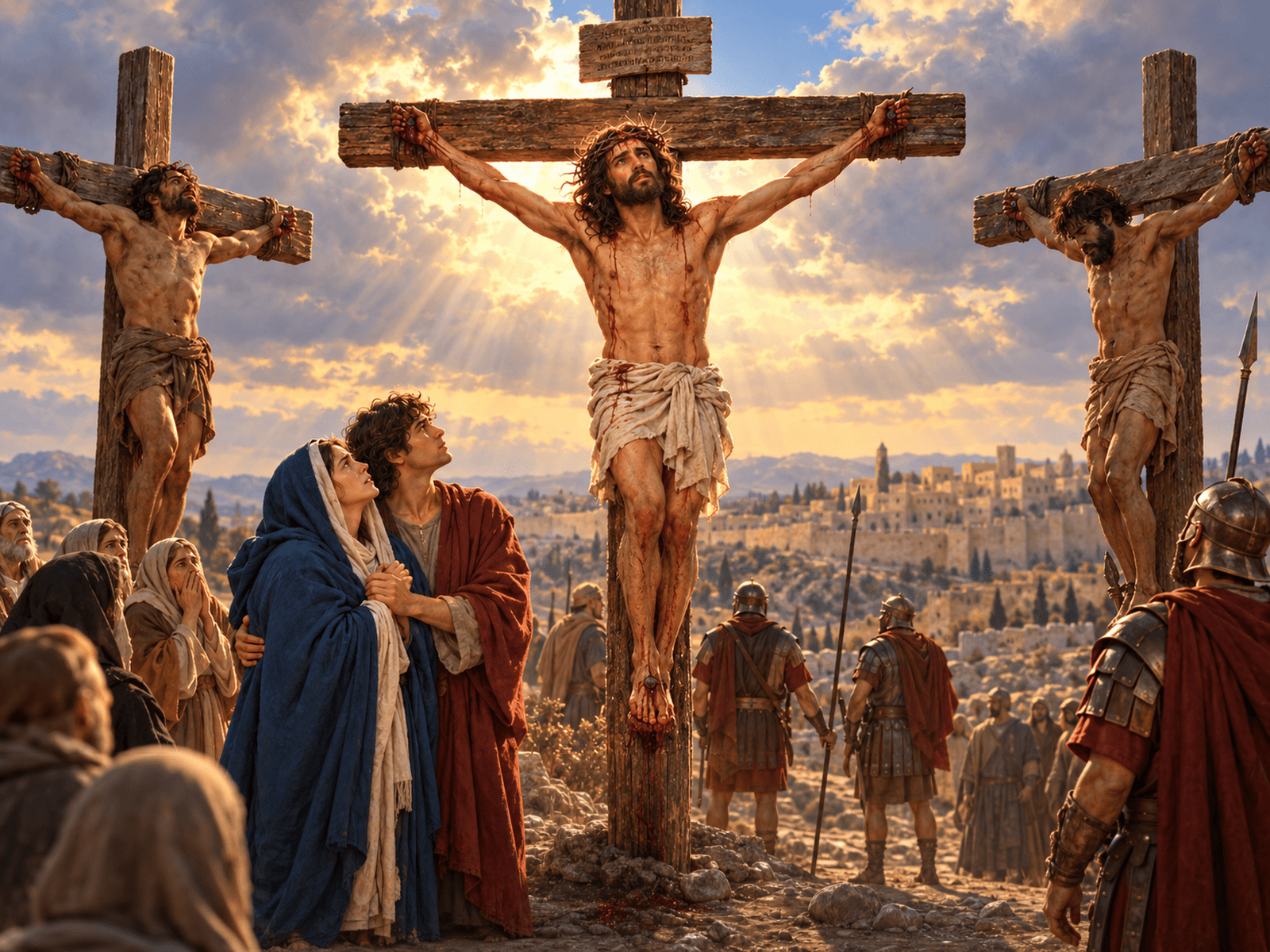
Illustrated scene from Jesus's story: The Crucifixion (Matthew 27:32–44)
Meet the people of the Bible
Follow their lives in order, with illustrated scenes and Bible passages that tell their stories.
 Jesus

Photo: Photochrom print, Library of Congress Prints and Photographs Division (LCCN 2002725045). License: Public domain in the United States; Library of Congress states no known restrictions on publication. Source. Location: Nazareth, Israel; print preserved by the Library of Congress. Resized for the web.
Explore the places of the Bible
See where biblical events happened, why each place matters, and what archaeology helps us understand.
Nazareth
The small town in Galilee where Jesus grew up.
Get full access with one subscription
Explore the people and places of the Bible. Read summaries of every book, with images and clear explanations covering every chapter. Access all these features and our Bible study tools with one subscription.
See PlansAsk AI about Matthew 27:39
Ask a question about this verse and get a clear answer, with Bible references you can read for yourself.
Every Bible book, explained chapter by chapter
Explore summaries of every book of the Bible, with images and easy-to-understand explanations covering every chapter.
Keep studying Matthew 27:39
Related Bible verses
At a Glance — the Book of Matthew
- Author
- Matthew the apostle
- Written
- Around AD 60-70
- Genre
- Gospel
- Original Audience
- Jewish Christians
Frequently Asked Questions
Quick, clear answers about this verse
What does Matthew 27:39 mean?
Matthew 27:39 describes how people passing by mocked Jesus while he was on the cross. Their actions, such as shaking their heads, show their contempt and disbelief in his authority and mission.
What is the significance of shaking heads in Matthew 27:39?
Shaking heads in Matthew 27:39 is a gesture of scorn and rejection. It illustrates the crowd's disdain for Jesus and their failure to recognize the importance of his sacrifice.
How does Matthew 27:39 relate to suffering?
Matthew 27:39 relates to suffering by showing how Jesus endured ridicule and scorn while fulfilling his mission. It serves as a reminder of the pain that often accompanies true righteousness.
What themes are present in Matthew 27:39?
The themes present in Matthew 27:39 include mockery, rejection, suffering, humility, faith, and sacrifice. These themes reflect the challenges faced by Jesus and the importance of steadfastness in faith.
Daily Verse — straight to your inbox
A verse and a 2-sentence plain-English explanation, every morning. Free. Unsubscribe anytime.