New Testament
Matthew 6:27
Read the Bible in clear, modern English—easy to understand, faithful to the meaning, and written for everyday readers.
Can any of you add a single cubit to your life by worrying about it?
Compare translations
Which of you by taking thought can add one cubit unto his stature?
What Matthew 6:27 means
Plain-English insight for readers
In this verse, Jesus is addressing the futility of worry. He asks a rhetorical question to illustrate that no one can extend their life or change their physical stature through anxiety or concern. Worrying does not solve problems or add to our existence; instead, it often leads to stress and distraction from what truly matters. The implication is that we should trust in God’s provision and care rather than being consumed by our worries. This teaching encourages believers to focus on faith and the present moment, rather than being preoccupied with uncertainties about the future. By recognizing the limitations of worry, we can find peace and reassurance in God’s plan for our lives, understanding that He is in control and will provide for our needs.
How to apply Matthew 6:27 to your life
Instead of worrying about things beyond your control, focus on what you can do today. Trust that God has a plan for your life and will provide for your needs. Practice mindfulness and gratitude to shift your focus from anxiety to appreciation.
Curated for this public verse page. Matthew Summary
Learn the Bible through its people and places
Get to know the people in Scripture through illustrated stories, and explore the places where they lived and traveled.
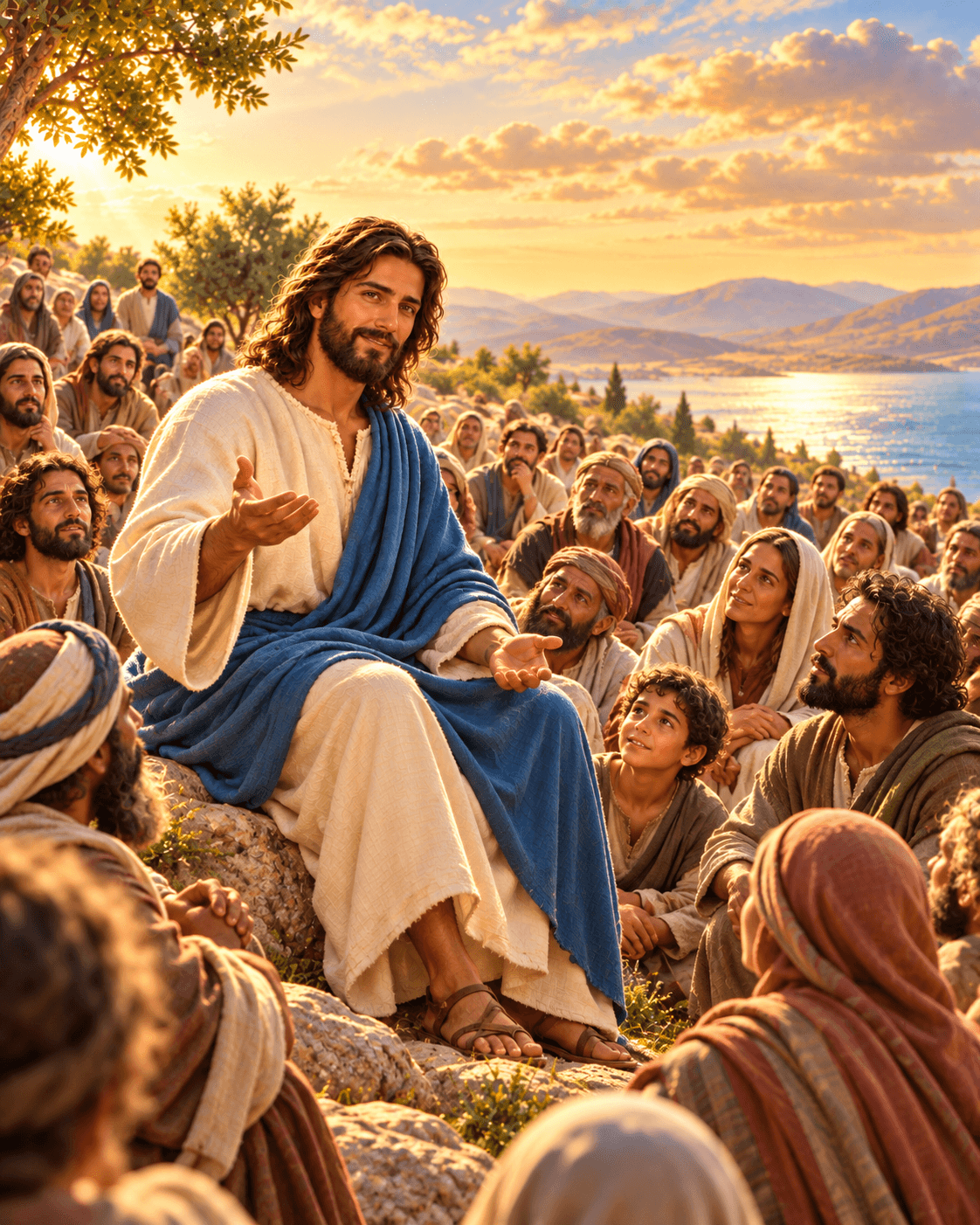
Illustrated scene from Jesus's story: The Sermon on the Mount (Matthew 5:1–7:29)
Meet the people of the Bible
Follow their lives in order, with illustrated scenes and Bible passages that tell their stories.
 Jesus
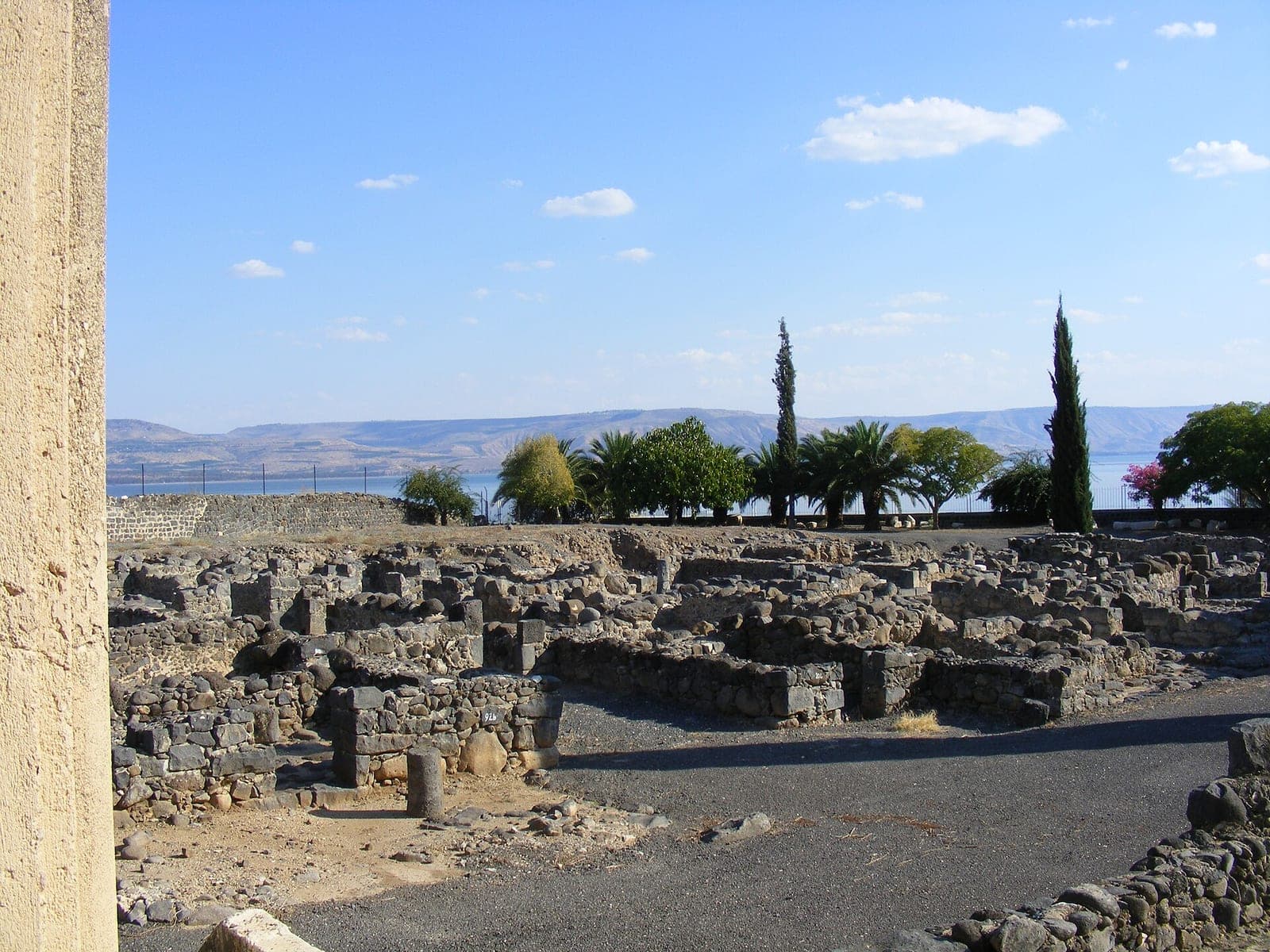
Photo: zeevveez, via Wikimedia Commons. License: CC BY 2.0. Source. Location: Capernaum, on the northern shore of the Sea of Galilee. Resized for the web.
Explore the places of the Bible
See where biblical events happened, why each place matters, and what archaeology helps us understand.
Capernaum
Jesus' home base by the Sea of Galilee, and the town where Peter lived.
Get full access with one subscription
Explore the people and places of the Bible. Read summaries of every book, with images and clear explanations covering every chapter. Access all these features and our Bible study tools with one subscription.
See PlansAsk AI about Matthew 6:27
Ask a question about this verse and get a clear answer, with Bible references you can read for yourself.
Every Bible book, explained chapter by chapter
Explore summaries of every book of the Bible, with images and easy-to-understand explanations covering every chapter.
Keep studying Matthew 6:27
Related Bible verses
Key themes
At a Glance — the Book of Matthew
- Author
- Matthew the apostle
- Written
- Around AD 60-70
- Genre
- Gospel
- Original Audience
- Jewish Christians
Frequently Asked Questions
Quick, clear answers about this verse
What does Matthew 6:27 mean?
Matthew 6:27 highlights the futility of worrying by asking if anyone can add to their life by being anxious. It emphasizes that worry does not change our circumstances or extend our lives.
What is the meaning of worry in Matthew 6:27?
In Matthew 6:27, worry refers to the anxiety and concern that people have about their lives and futures. The verse teaches that such worry is unproductive and does not lead to any positive change.
How can I apply Matthew 6:27 to my life?
You can apply Matthew 6:27 by recognizing that worrying does not help you and focusing instead on what you can control. Trust in God's provision and practice gratitude to reduce anxiety.
What does Jesus teach in Matthew 6:27?
In Matthew 6:27, Jesus teaches that worrying is pointless and does not add value to our lives. He encourages believers to trust in God rather than being consumed by anxiety.
Daily Verse — straight to your inbox
A verse and a 2-sentence plain-English explanation, every morning. Free. Unsubscribe anytime.