Old Testament
Nahum 3:1
Read the Bible in clear, modern English—easy to understand, faithful to the meaning, and written for everyday readers.
Woe to the city soaked in blood! It is full of lies and plunder; the prey never leaves.
Compare translations
Woe to the bloody city! it is all full of lies and robbery; the prey departeth not;
What Nahum 3:1 means
Plain-English insight for readers
Nahum 3:1 delivers a strong condemnation of a city characterized by violence and deceit. The phrase "soaked in blood" suggests a place where violence is rampant, indicating a history of bloodshed and suffering. The mention of lies and plunder highlights the moral decay and corruption within the city, where dishonesty and theft are commonplace. The phrase "the prey never leaves" implies that the victims of this city's violence are trapped, unable to escape the cycle of oppression and exploitation. This verse serves as a warning about the consequences of such behavior, emphasizing that a society built on bloodshed and deceit cannot stand. It reflects God's judgment against those who perpetuate injustice and harm others, reminding readers of the importance of righteousness and truth in society.
How to apply Nahum 3:1 to your life
This verse challenges us to reflect on our own communities and the presence of violence and dishonesty. It encourages us to stand against injustice and promote truth and integrity in our interactions. By fostering a culture of honesty and compassion, we can help create a safer and more just society for all.
Curated for this public verse page. Nahum Summary
Explore more of the Bible
Learn the Bible through its people and places
Get to know the people in Scripture through illustrated stories, and explore the places where they lived and traveled.

Illustrated scene from Moses's story: Israel Enslaved in Egypt (Exodus 1:8–22)
Meet the people of the Bible
Follow their lives in order, with illustrated scenes and Bible passages that tell their stories.
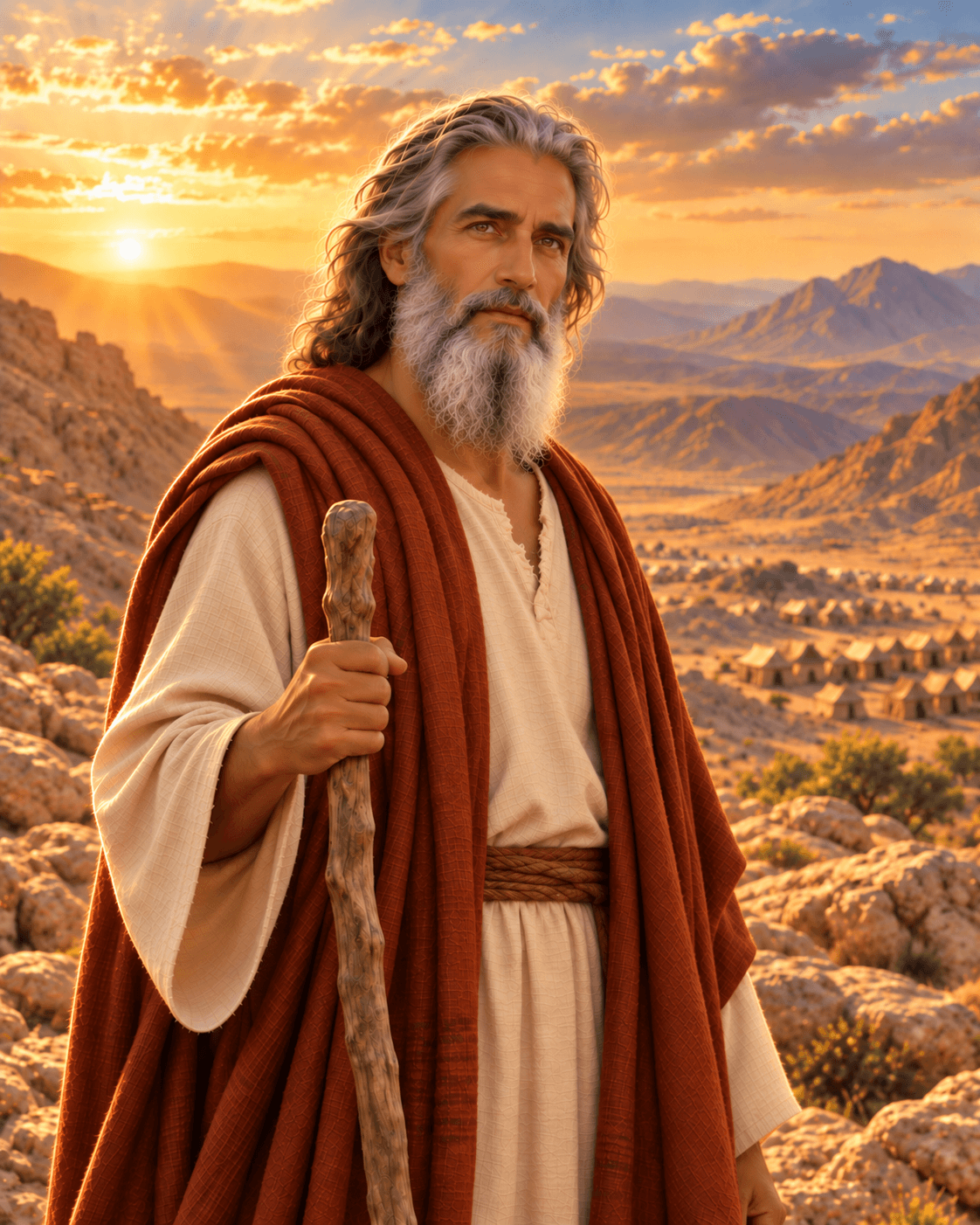 Moses
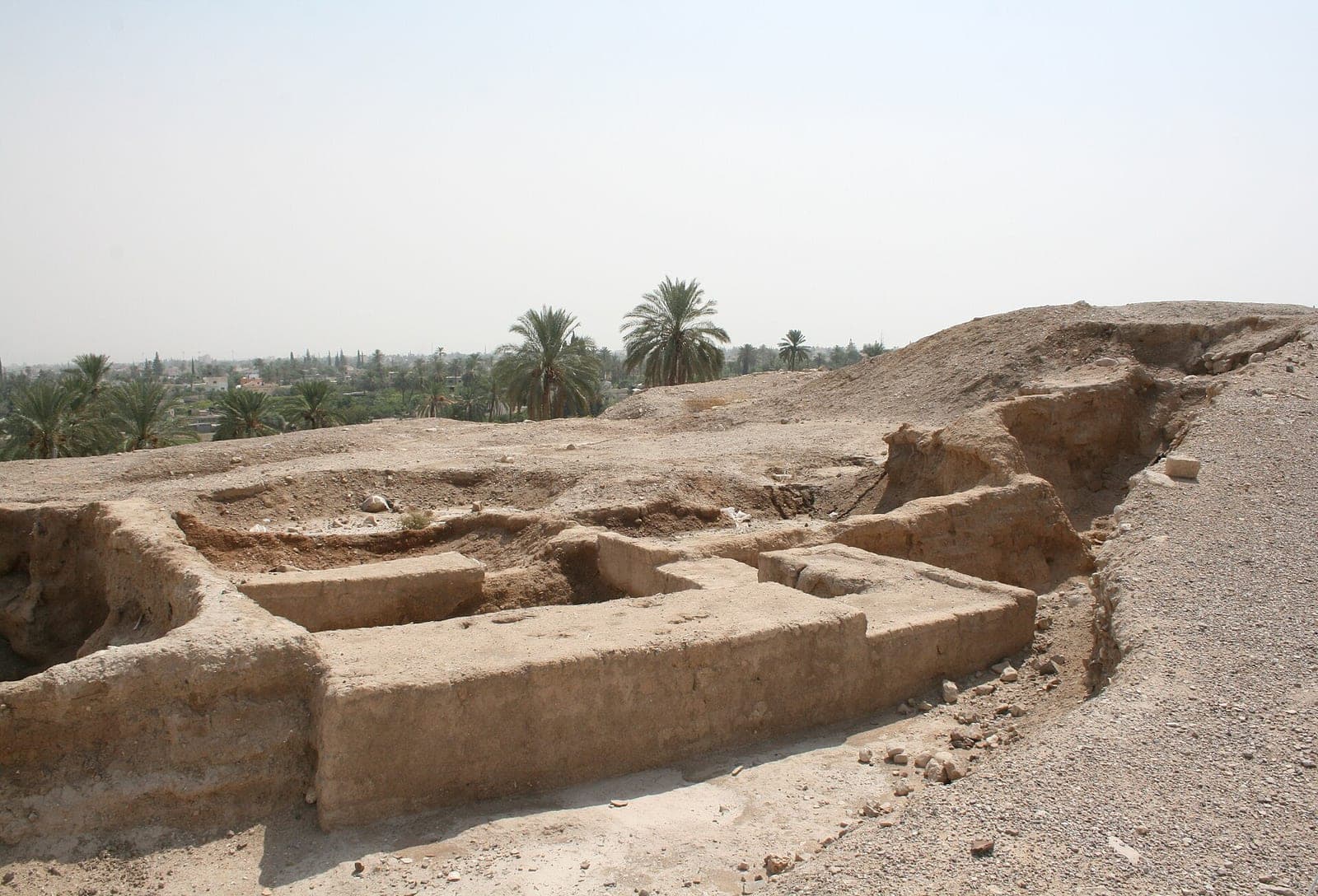
Photo: Diego Delso, via Wikimedia Commons. License: CC BY-SA 3.0. Source. Location: Tell es-Sultan, Jericho, West Bank. Resized for the web.
Explore the places of the Bible
See where biblical events happened, why each place matters, and what archaeology helps us understand.
Jericho
The city of palm trees, whose walls fell in Joshua's day.
Get full access with one subscription
Explore the people and places of the Bible. Read summaries of every book, with images and clear explanations covering every chapter. Access all these features and our Bible study tools with one subscription.
See PlansAsk AI about Nahum 3:1
Ask a question about this verse and get a clear answer, with Bible references you can read for yourself.
Every Bible book, explained chapter by chapter
Explore summaries of every book of the Bible, with images and easy-to-understand explanations covering every chapter.
Keep studying Nahum 3:1
Related Bible verses
Related topics
At a Glance — the Book of Nahum
- Author
- Nahum the prophet
- Written
- Around 650 BC
- Genre
- Prophecy
- Original Audience
- Judah concerning Nineveh
Frequently Asked Questions
Quick, clear answers about this verse
What does Nahum 3:1 mean?
Nahum 3:1 condemns a city known for its violence and deceit. It describes a place filled with bloodshed, lies, and theft, highlighting the moral corruption and oppression faced by its victims.
What is the meaning of 'soaked in blood' in Nahum 3:1?
'Soaked in blood' refers to a city that has experienced significant violence and suffering. It indicates a history of bloodshed, suggesting that the community is marked by brutality and loss.
What does 'the prey never leaves' mean in Nahum 3:1?
The phrase 'the prey never leaves' implies that the victims of violence and exploitation in the city are trapped. They are unable to escape the cycle of oppression and continue to suffer under the city's corruption.
What themes are present in Nahum 3:1?
Nahum 3:1 presents themes of violence, deceit, corruption, judgment, oppression, and injustice. These themes highlight the consequences of a society built on dishonesty and brutality.
Daily Verse — straight to your inbox
A verse and a 2-sentence plain-English explanation, every morning. Free. Unsubscribe anytime.