Old Testament
Nahum 3:16
Read the Bible in clear, modern English—easy to understand, faithful to the meaning, and written for everyday readers.
You have increased your merchants more than the stars of heaven; the cankerworm spoils and flies away.
Compare translations
Thou hast multiplied thy merchants above the stars of heaven: the cankerworm spoileth, and fleeth away.
What Nahum 3:16 means
Plain-English insight for readers
In this verse, the prophet Nahum criticizes the city of Nineveh for its excessive focus on trade and wealth. The comparison of merchants to the stars of heaven highlights the abundance of commerce in Nineveh. However, the mention of the cankerworm suggests that despite this prosperity, their wealth is fleeting and vulnerable to destruction. The cankerworm, a destructive pest, symbolizes how quickly fortunes can change and how material gains can be lost. This serves as a warning that reliance on wealth and commerce can lead to downfall, especially when it overshadows moral and spiritual values. Nahum's message emphasizes that true security and stability come from a relationship with God, not from material possessions or commercial success.
How to apply Nahum 3:16 to your life
This verse reminds us to evaluate our priorities. While pursuing success and wealth is not inherently wrong, we must ensure that it does not overshadow our spiritual life and moral responsibilities. True fulfillment comes from a balanced life centered on faith and values.
Curated for this public verse page. Nahum Summary
Explore more of the Bible
Learn the Bible through its people and places
Get to know the people in Scripture through illustrated stories, and explore the places where they lived and traveled.

Illustrated scene from Moses's story: Israel Enslaved in Egypt (Exodus 1:8–22)
Meet the people of the Bible
Follow their lives in order, with illustrated scenes and Bible passages that tell their stories.
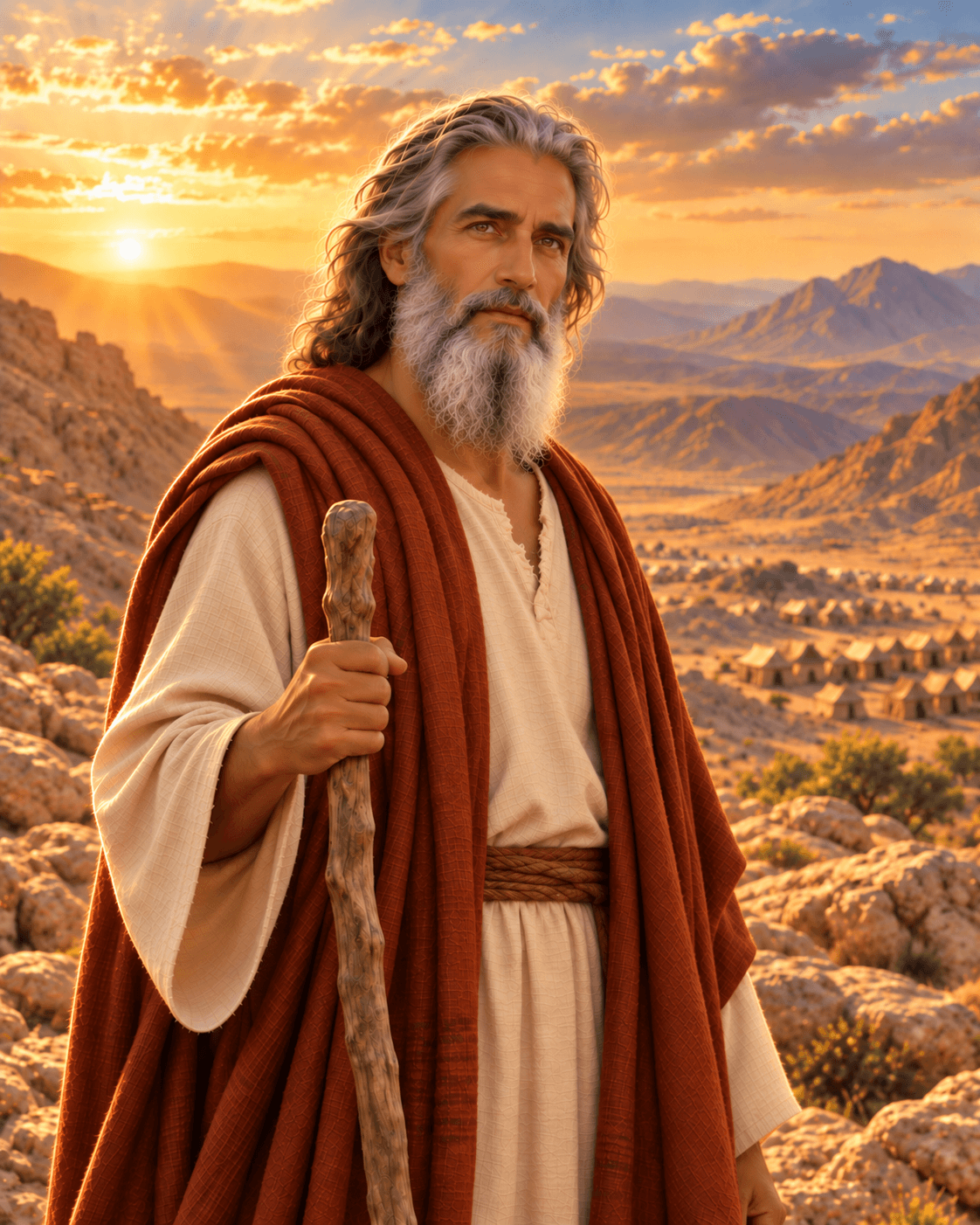 Moses
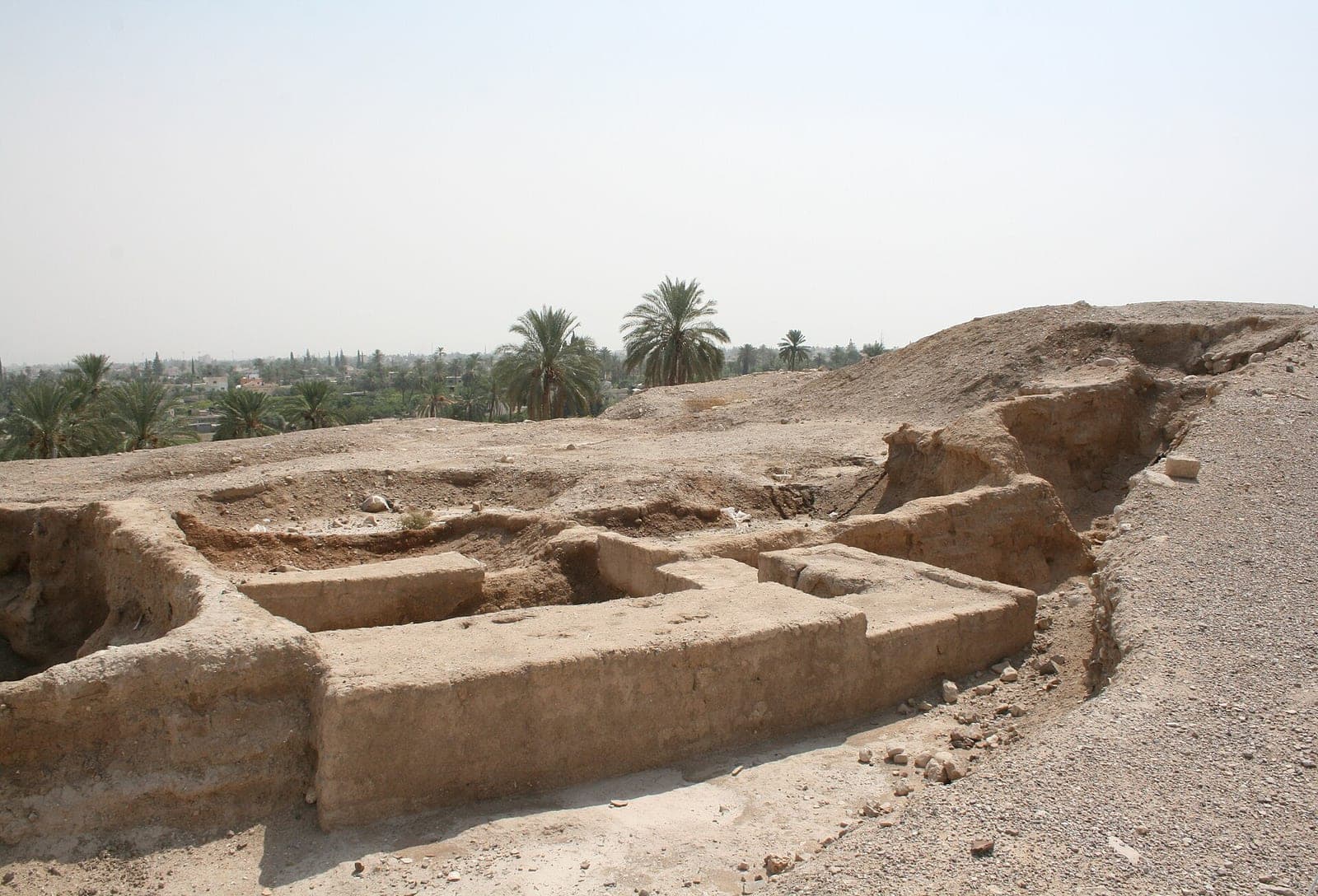
Photo: Diego Delso, via Wikimedia Commons. License: CC BY-SA 3.0. Source. Location: Tell es-Sultan, Jericho, West Bank. Resized for the web.
Explore the places of the Bible
See where biblical events happened, why each place matters, and what archaeology helps us understand.
Jericho
The city of palm trees, whose walls fell in Joshua's day.
Get full access with one subscription
Explore the people and places of the Bible. Read summaries of every book, with images and clear explanations covering every chapter. Access all these features and our Bible study tools with one subscription.
See PlansAsk AI about Nahum 3:16
Ask a question about this verse and get a clear answer, with Bible references you can read for yourself.
Every Bible book, explained chapter by chapter
Explore summaries of every book of the Bible, with images and easy-to-understand explanations covering every chapter.
Keep studying Nahum 3:16
Related Bible verses
Key themes
Related topics
At a Glance — the Book of Nahum
- Author
- Nahum the prophet
- Written
- Around 650 BC
- Genre
- Prophecy
- Original Audience
- Judah concerning Nineveh
Frequently Asked Questions
Quick, clear answers about this verse
What does Nahum 3:16 mean?
Nahum 3:16 criticizes Nineveh for its excessive focus on trade and wealth, comparing the number of merchants to the stars of heaven. It warns that despite their prosperity, their wealth is vulnerable to destruction, symbolized by the cankerworm.
What is the meaning of 'cankerworm' in Nahum 3:16?
In Nahum 3:16, the 'cankerworm' represents a destructive force that spoils wealth and prosperity. It serves as a metaphor for how quickly fortunes can change and how material gains can be lost.
How does Nahum 3:16 relate to modern life?
Nahum 3:16 encourages us to reflect on our priorities regarding wealth and success. It reminds us that while pursuing material gains is common, we should not let it overshadow our spiritual and moral responsibilities.
What themes are present in Nahum 3:16?
Key themes in Nahum 3:16 include wealth, commerce, fleeting prosperity, divine judgment, and the importance of moral values. The verse emphasizes that true security comes from faith rather than material possessions.
Daily Verse — straight to your inbox
A verse and a 2-sentence plain-English explanation, every morning. Free. Unsubscribe anytime.