Old Testament
Nehemiah 5:15
Read the Bible in clear, modern English—easy to understand, faithful to the meaning, and written for everyday readers.
The governors before me had been a heavy burden on the people, taking food and wine from them plus 40 shekels of silver. Even their servants lorded it over the people. But I refused to do any of that, because of the fear of God.
Compare translations
But the former governors that had been before me were chargeable unto the people, and had taken of them bread and wine, beside forty shekels of silver; yea, even their servants bare rule over the people: but so did not I, because of the fear of God.
What Nehemiah 5:15 means
Plain-English insight for readers
In Nehemiah 5:15, Nehemiah reflects on the actions of previous governors who exploited the people by demanding food, wine, and money from them. This created a heavy burden on the citizens. Unlike those governors, Nehemiah chose not to take advantage of his position. He acted out of reverence for God, prioritizing the well-being of the people over personal gain. His refusal to follow the corrupt practices of his predecessors highlights his integrity and commitment to justice. Nehemiah's leadership style contrasts sharply with the oppressive behavior of others, showing that true leadership involves serving others rather than exploiting them. His example serves as a reminder of the importance of ethical leadership and the responsibility leaders have to care for those they lead, especially in times of hardship.
How to apply Nehemiah 5:15 to your life
We can learn from Nehemiah's example by prioritizing the needs of others over our own desires. In our roles, whether at work or in our communities, we should strive to lead with integrity and compassion, ensuring that we do not exploit those we serve.
Curated for this public verse page. Nehemiah Summary
Explore more of the Bible
Learn the Bible through its people and places
Get to know the people in Scripture through illustrated stories, and explore the places where they lived and traveled.

Illustrated scene from Joseph, Jacob's son's story: Joseph Is Born (Genesis 30:22–24)
Meet the people of the Bible
Follow their lives in order, with illustrated scenes and Bible passages that tell their stories.
 Joseph, Jacob's son
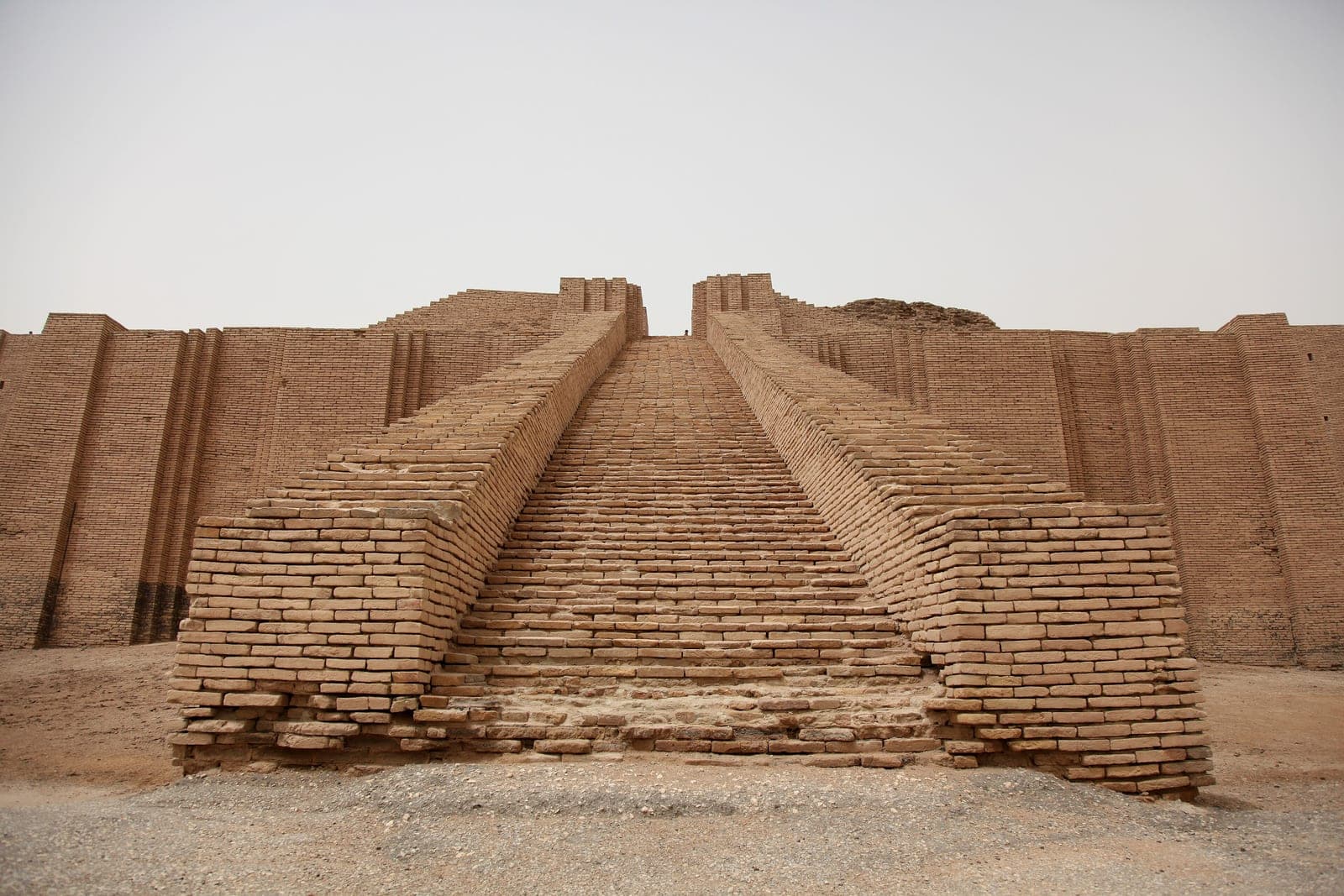
Photo: U.S. Army photo by Spc. Samantha R. Ciaramitaro, via DVIDS and Wikimedia Commons. License: Public domain in the United States — U.S. federal-government work. Source. Location: Great Ziggurat, Ur Archaeological City (Tell el-Mukayyar), Dhi Qar Governorate, Iraq. Resized for the web.
Explore the places of the Bible
See where biblical events happened, why each place matters, and what archaeology helps us understand.
Ur
The city Abram's family left to travel toward Canaan.
Get full access with one subscription
Explore the people and places of the Bible. Read summaries of every book, with images and clear explanations covering every chapter. Access all these features and our Bible study tools with one subscription.
See PlansAsk AI about Nehemiah 5:15
Ask a question about this verse and get a clear answer, with Bible references you can read for yourself.
Every Bible book, explained chapter by chapter
Explore summaries of every book of the Bible, with images and easy-to-understand explanations covering every chapter.
Keep studying Nehemiah 5:15
Related Bible verses
Key themes
Related topics
At a Glance — the Book of Nehemiah
- Author
- Nehemiah, with Ezra
- Written
- Around 430 BC
- Genre
- Historical narrative
- Original Audience
- The post-exilic Jewish community
Frequently Asked Questions
Quick, clear answers about this verse
What does Nehemiah 5:15 mean?
Nehemiah 5:15 means that Nehemiah refused to exploit the people like previous governors did, who took food, wine, and money from them. He chose to act with integrity and fear of God, prioritizing the welfare of the citizens over personal gain.
What does 'fear of God' mean in Nehemiah 5:15?
In Nehemiah 5:15, 'fear of God' refers to a deep respect and reverence for God that influences Nehemiah's decisions. It motivated him to act justly and prioritize the needs of the people over his own interests.
How does Nehemiah 5:15 relate to leadership?
Nehemiah 5:15 illustrates that effective leadership involves integrity and service to others. Nehemiah's example contrasts with the oppressive actions of previous leaders, emphasizing the importance of ethical conduct in positions of authority.
What lessons can we learn from Nehemiah 5:15?
From Nehemiah 5:15, we learn the importance of prioritizing the needs of others and leading with integrity. It encourages us to avoid exploiting those we serve and to act compassionately in our roles, whether in work or community.
Daily Verse — straight to your inbox
A verse and a 2-sentence plain-English explanation, every morning. Free. Unsubscribe anytime.