Old Testament
Numbers 11:10
Read the Bible in clear, modern English—easy to understand, faithful to the meaning, and written for everyday readers.
Moses could hear the people weeping — family after family, each man standing at the entrance of his tent. The LORD's anger burned intensely, and Moses was deeply troubled.
Compare translations
Then Moses heard the people weep throughout their families, every man in the door of his tent: and the anger of the LORD was kindled greatly; Moses also was displeased.
What Numbers 11:10 means
Plain-English insight for readers
In this verse, Moses hears the cries of the Israelites as they express their dissatisfaction and longing for the comforts of Egypt. Each family is gathered at the entrance of their tents, showing a collective sorrow. This situation angers the LORD, indicating that their complaints are not just about food or comfort but reflect a deeper discontent with His provision. Moses, as their leader, feels troubled by both the people's grief and God's anger. This moment highlights the tension between divine provision and human dissatisfaction, illustrating how easily people can forget the blessings they have when faced with challenges. It serves as a reminder of the importance of gratitude and trust in God's plans, even in difficult times.
How to apply Numbers 11:10 to your life
This verse encourages us to reflect on our own attitudes during difficult times. Instead of complaining, we should focus on gratitude for what we have. It reminds us to trust in God's provision and to support one another in our communities, fostering a spirit of unity rather than division.
Curated for this public verse page. Numbers Summary
Learn the Bible through its people and places
Get to know the people in Scripture through illustrated stories, and explore the places where they lived and traveled.
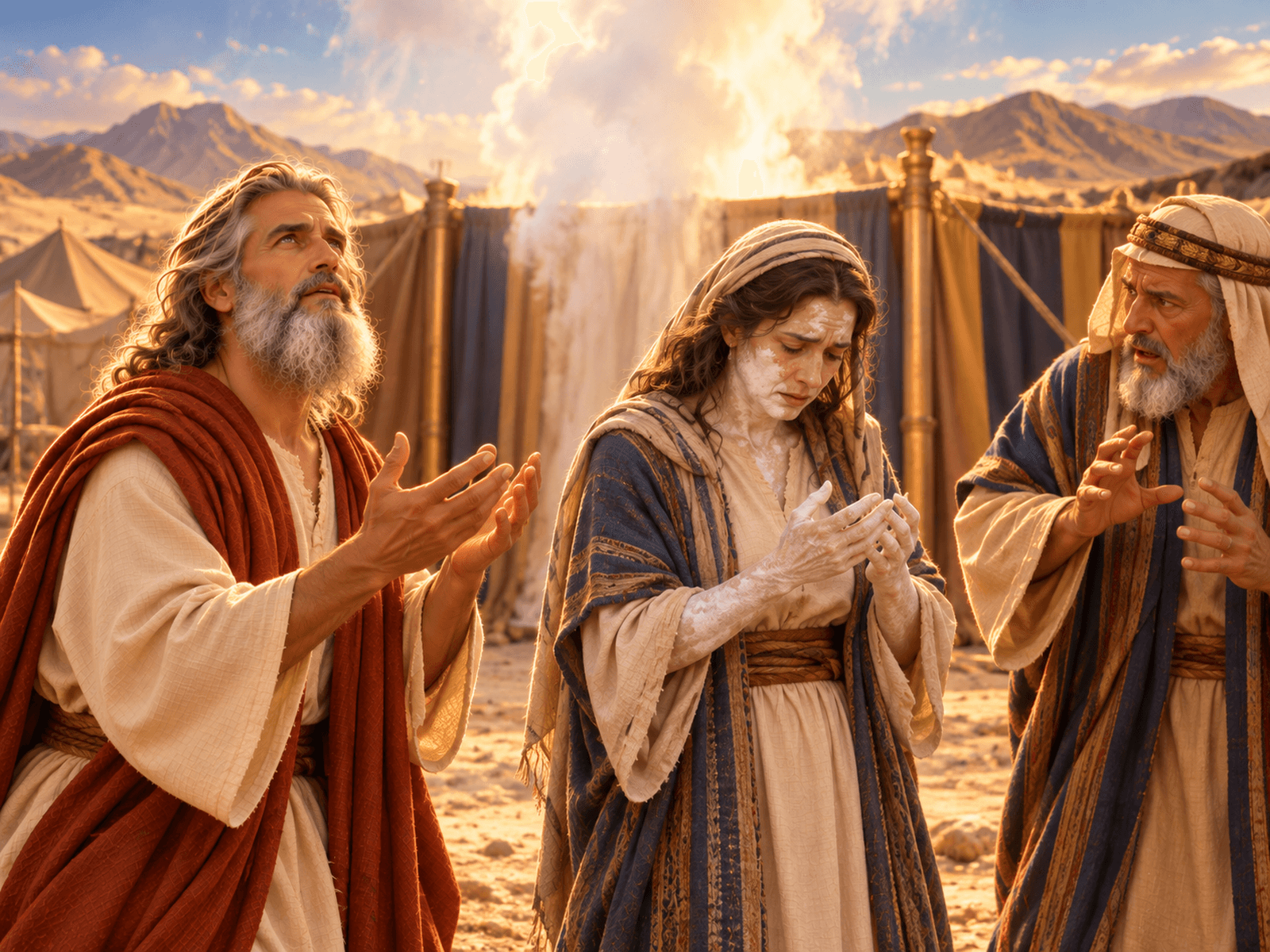
Illustrated scene from Moses's story: Seventy Elders and the Quail (Numbers 11:1–35)
Meet the people of the Bible
Follow their lives in order, with illustrated scenes and Bible passages that tell their stories.
 Moses

Photo: Zeev Stein / PikiWiki Israel, via Wikimedia Commons. License: CC BY 2.5. Source. Location: Tel Beer Sheva National Park, Israel. Resized for the web.
Explore the places of the Bible
See where biblical events happened, why each place matters, and what archaeology helps us understand.
Beersheba
Where Abraham and Isaac dug wells and worshiped the LORD, at the southern edge of the land.
Get full access with one subscription
Explore the people and places of the Bible. Read summaries of every book, with images and clear explanations covering every chapter. Access all these features and our Bible study tools with one subscription.
See PlansAsk AI about Numbers 11:10
Ask a question about this verse and get a clear answer, with Bible references you can read for yourself.
Every Bible book, explained chapter by chapter
Explore summaries of every book of the Bible, with images and easy-to-understand explanations covering every chapter.
Keep studying Numbers 11:10
Related Bible verses
Key themes
Related topics
At a Glance — the Book of Numbers
- Author
- Traditionally attributed to Moses
- Written
- Around 1400 BC
- Genre
- Law (Pentateuch)
- Original Audience
- The Israelites in the wilderness
Frequently Asked Questions
Quick, clear answers about this verse
What does Numbers 11:10 teach about leadership?
Numbers 11:10 illustrates the challenges of leadership, as Moses hears the cries of the Israelites and feels troubled by their discontent. This verse highlights that leaders must navigate the emotions and grievances of those they lead, often feeling the weight of their struggles. It serves as a reminder that effective leadership involves empathy, understanding, and the ability to address the needs of the community while also managing the expectations of God.
Why was God angry in Numbers 11:10?
In Numbers 11:10, God's anger is kindled because the Israelites are expressing dissatisfaction with His provision, longing for the comforts of Egypt despite their liberation. This reflects a deeper issue of faith and trust in God's plan. Their complaints signify a lack of gratitude for the miracles they have experienced, indicating that their hearts are not aligned with God's intentions for them. This moment underscores the importance of recognizing and appreciating divine provision.
How can we apply the lessons from Numbers 11:10 today?
The lessons from Numbers 11:10 can be applied today by encouraging a mindset of gratitude, especially during challenging times. Instead of focusing on what we lack, we should recognize and appreciate the blessings we have. This verse also calls us to support one another in our communities, fostering unity and understanding rather than division. By trusting in God's provision and maintaining a positive outlook, we can navigate difficulties more effectively.
What does the collective grief in Numbers 11:10 signify?
The collective grief in Numbers 11:10 signifies the shared dissatisfaction among the Israelites, highlighting how communal feelings can influence a group's behavior and mindset. Each family weeping at the entrance of their tents shows that discontent can spread quickly, affecting the entire community. This moment serves as a reminder of the power of collective attitudes and the importance of fostering a spirit of gratitude and trust in God to counteract negativity.
Daily Verse — straight to your inbox
A verse and a 2-sentence plain-English explanation, every morning. Free. Unsubscribe anytime.