Old Testament
Numbers 12:1
Read the Bible in clear, modern English—easy to understand, faithful to the meaning, and written for everyday readers.
Miriam and Aaron spoke against Moses because of the Ethiopian woman he had married, for he had married an Ethiopian woman.
Compare translations
And Miriam and Aaron spake against Moses because of the Ethiopian woman whom he had married: for he had married an Ethiopian woman.
What Numbers 12:1 means
Plain-English insight for readers
In this verse, Miriam and Aaron, who are Moses' siblings, criticize him for marrying a woman from Ethiopia. Their complaint highlights issues of race and cultural differences, suggesting that they disapprove of Moses' choice based on her ethnicity. This incident reveals underlying tensions within the leadership of the Israelites and raises questions about authority and jealousy. Miriam and Aaron's actions indicate a challenge to Moses' leadership, as they seem to believe that they should have a say in his personal decisions. This moment serves as a reminder of the complexities of relationships and the potential for discord even among close family members. It also sets the stage for God's response to their criticism, emphasizing the importance of respecting divinely appointed leaders. The verse invites readers to reflect on their own attitudes towards others, especially regarding differences in background and culture, and to consider how jealousy can disrupt unity within a community.
How to apply Numbers 12:1 to your life
This verse encourages us to examine our own attitudes towards others, especially those who are different from us. It reminds us to avoid jealousy and criticism, particularly towards leaders or those in authority. Instead, we should focus on fostering unity and understanding within our communities, embracing diversity rather than allowing it to create division.
Curated for this public verse page. Numbers Summary
Learn the Bible through its people and places
Get to know the people in Scripture through illustrated stories, and explore the places where they lived and traveled.
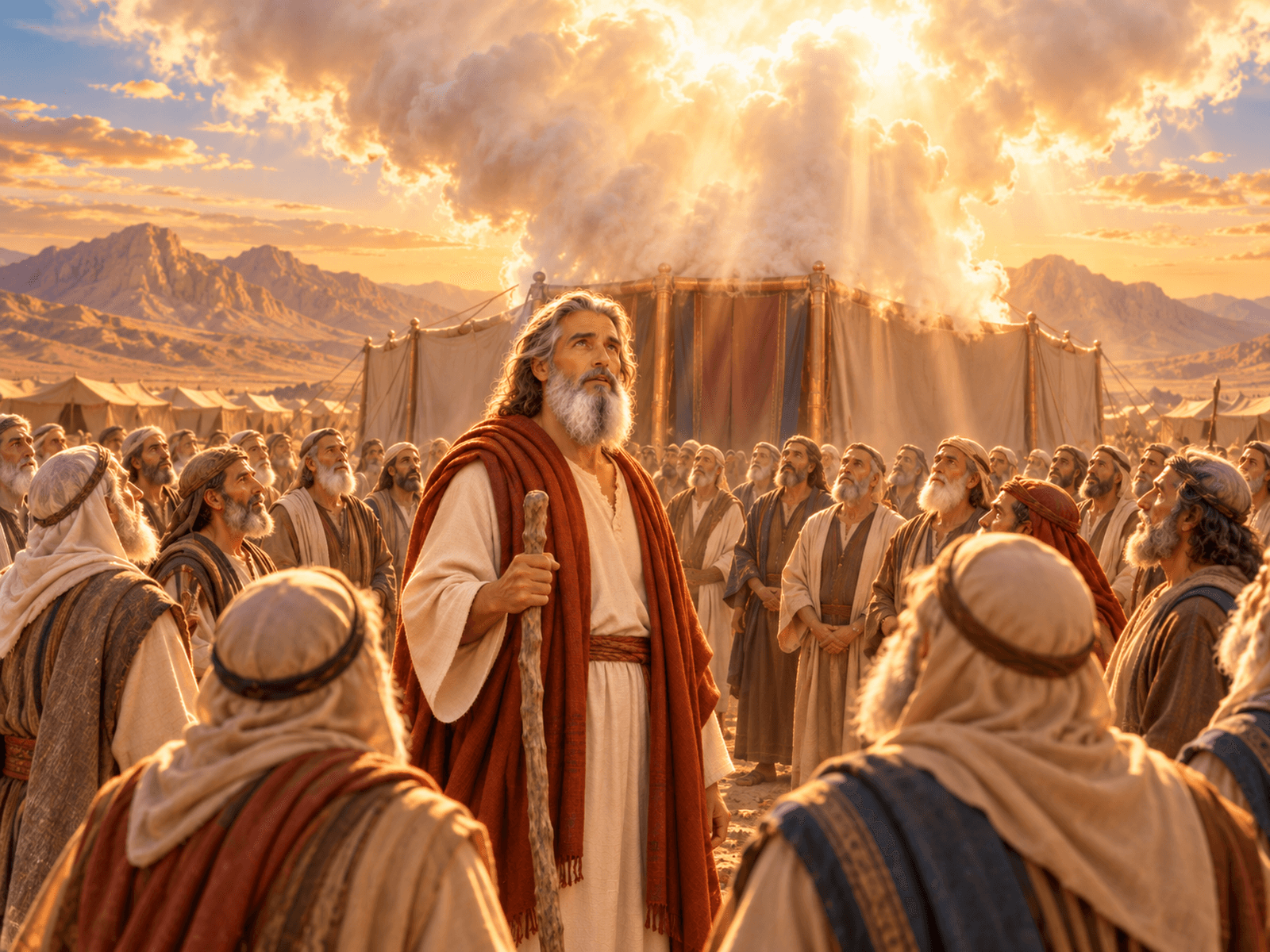
Illustrated scene from Moses's story: Miriam and Aaron Speak Against Moses (Numbers 12:1–16)
Meet the people of the Bible
Follow their lives in order, with illustrated scenes and Bible passages that tell their stories.
 Moses

Photo: U.S. Army photo by Spc. Samantha R. Ciaramitaro, via DVIDS and Wikimedia Commons. License: Public domain in the United States — U.S. federal-government work. Source. Location: Great Ziggurat, Ur Archaeological City (Tell el-Mukayyar), Dhi Qar Governorate, Iraq. Resized for the web.
Explore the places of the Bible
See where biblical events happened, why each place matters, and what archaeology helps us understand.
Ur
The city Abram's family left to travel toward Canaan.
Get full access with one subscription
Explore the people and places of the Bible. Read summaries of every book, with images and clear explanations covering every chapter. Access all these features and our Bible study tools with one subscription.
See PlansAsk AI about Numbers 12:1
Ask a question about this verse and get a clear answer, with Bible references you can read for yourself.
Every Bible book, explained chapter by chapter
Explore summaries of every book of the Bible, with images and easy-to-understand explanations covering every chapter.
Keep studying Numbers 12:1
Related Bible verses
Key themes
Related topics
At a Glance — the Book of Numbers
- Author
- Traditionally attributed to Moses
- Written
- Around 1400 BC
- Genre
- Law (Pentateuch)
- Original Audience
- The Israelites in the wilderness
Frequently Asked Questions
Quick, clear answers about this verse
What does Numbers 12:1 mean?
Numbers 12:1 describes how Miriam and Aaron criticized their brother Moses for marrying an Ethiopian woman. This criticism highlights issues of race and cultural differences, indicating their disapproval based on her ethnicity.
What is the significance of the Ethiopian woman in Numbers 12:1?
The Ethiopian woman in Numbers 12:1 represents cultural differences that sparked jealousy and criticism from Miriam and Aaron. Their disapproval reflects deeper tensions within the Israelite community regarding leadership and personal choices.
Why did Miriam and Aaron criticize Moses in Numbers 12:1?
Miriam and Aaron criticized Moses because they disapproved of his marriage to an Ethiopian woman, which they perceived as a challenge to their own status and authority within the community.
What themes are present in Numbers 12:1?
Themes in Numbers 12:1 include jealousy, leadership, cultural differences, family dynamics, and authority. The verse illustrates how personal choices can lead to conflict and division within a community.
Daily Verse — straight to your inbox
A verse and a 2-sentence plain-English explanation, every morning. Free. Unsubscribe anytime.