Old Testament
Numbers 4:15
Read the Bible in clear, modern English—easy to understand, faithful to the meaning, and written for everyday readers.
Once Aaron and his sons have finished covering the sanctuary and all its furnishings and the camp is ready to move out, the Kohathites may come to carry these things. But they must not touch any of the holy objects, or they will die. These are the items the Kohathites are responsible to carry from the Tent of Meeting.
Compare translations
And when Aaron and his sons have made an end of covering the sanctuary, and all the vessels of the sanctuary, as the camp is to set forward; after that, the sons of Kohath shall come to bear it: but they shall not touch any holy thing, lest they die. These things are the burden of the sons of Kohath in the tabernacle of the congregation.
What Numbers 4:15 means
Plain-English insight for readers
In this verse, God instructs Aaron and his sons on how to prepare the sanctuary for transport. Once they have covered the sacred items, the Kohathites, a specific group of Levites, are allowed to carry them. However, they must be careful not to touch any of the holy objects, as doing so would result in death. This emphasizes the holiness of the items and the importance of following God's commands precisely. The Kohathites are entrusted with the responsibility of transporting these sacred items, but they must respect the boundaries set by God to avoid severe consequences. This verse highlights the seriousness of handling holy things and the need for reverence in worship and service to God.
How to apply Numbers 4:15 to your life
This verse teaches us the importance of respecting what is sacred in our lives. Just as the Kohathites had specific duties and boundaries, we too should honor the things that are holy and follow God's guidance in our actions. Reverence in our spiritual practices is essential.
Curated for this public verse page. Numbers Summary
Explore more of the Bible
Learn the Bible through its people and places
Get to know the people in Scripture through illustrated stories, and explore the places where they lived and traveled.

Illustrated scene from Ruth's story: Three Widows (Ruth 1:1–5)
Meet the people of the Bible
Follow their lives in order, with illustrated scenes and Bible passages that tell their stories.
 Ruth
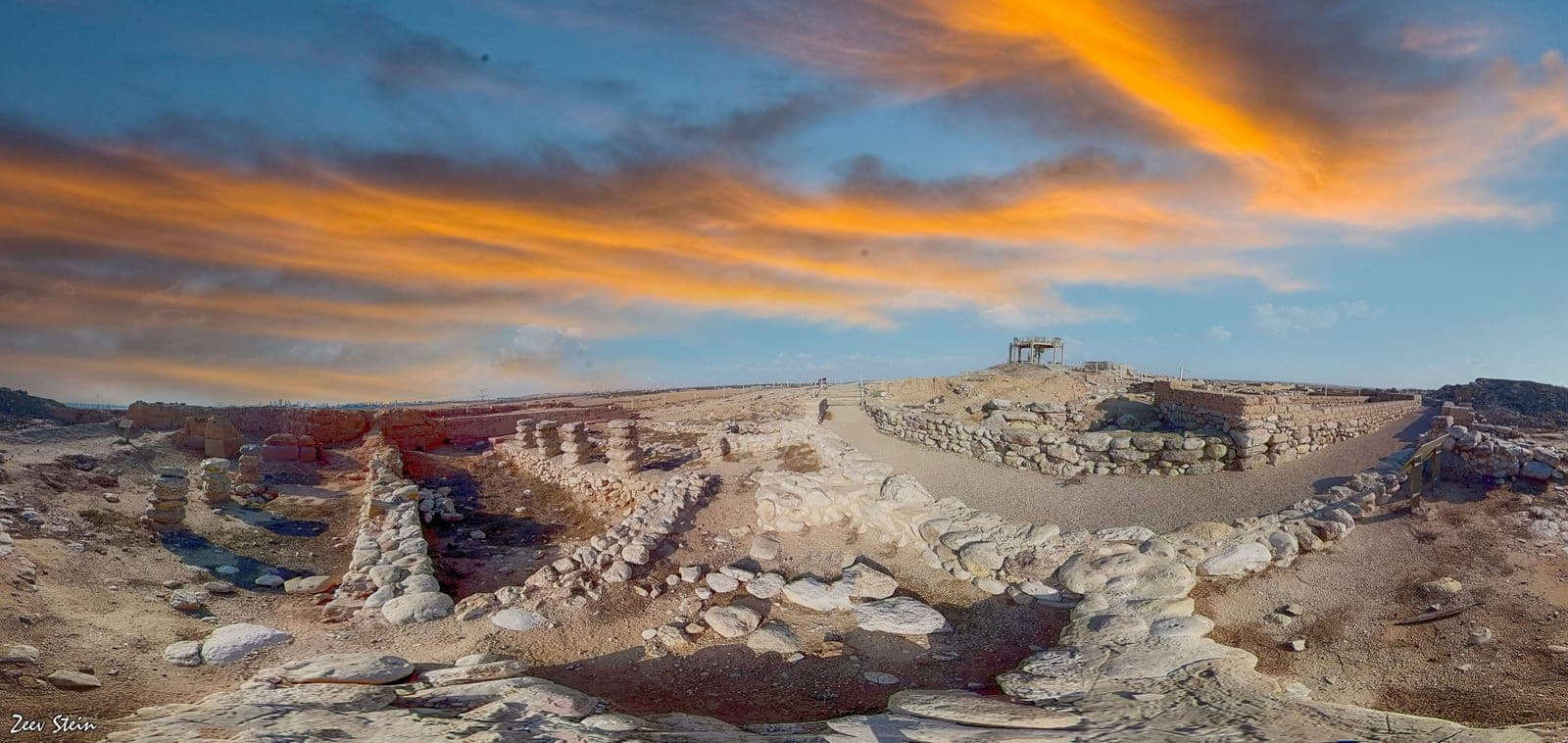
Photo: Zeev Stein / PikiWiki Israel, via Wikimedia Commons. License: CC BY 2.5. Source. Location: Tel Beer Sheva National Park, Israel. Resized for the web.
Explore the places of the Bible
See where biblical events happened, why each place matters, and what archaeology helps us understand.
Beersheba
Where Abraham and Isaac dug wells and worshiped the LORD, at the southern edge of the land.
Get full access with one subscription
Explore the people and places of the Bible. Read summaries of every book, with images and clear explanations covering every chapter. Access all these features and our Bible study tools with one subscription.
See PlansAsk AI about Numbers 4:15
Ask a question about this verse and get a clear answer, with Bible references you can read for yourself.
Every Bible book, explained chapter by chapter
Explore summaries of every book of the Bible, with images and easy-to-understand explanations covering every chapter.
Keep studying Numbers 4:15
Related Bible verses
Related topics
At a Glance — the Book of Numbers
- Author
- Traditionally attributed to Moses
- Written
- Around 1400 BC
- Genre
- Law (Pentateuch)
- Original Audience
- The Israelites in the wilderness
Frequently Asked Questions
Quick, clear answers about this verse
What does Numbers 4:15 teach about handling sacred items?
Numbers 4:15 emphasizes the importance of treating sacred items with utmost respect and care. The verse instructs that only the Kohathites, a specific group of Levites, are allowed to carry the holy objects after they have been covered by Aaron and his sons. However, they must not touch these items directly, as doing so would result in death. This highlights the seriousness of God's holiness and the need for obedience to His commands.
Why were the Kohathites forbidden to touch holy objects?
The Kohathites were forbidden to touch holy objects because these items were considered extremely sacred and were set apart for God's service. Touching them without proper authorization would violate the divine instructions and demonstrate a lack of reverence for God's holiness. This prohibition serves as a reminder of the seriousness of approaching God and His sacred things with the right attitude and respect.
What can we learn about obedience from Numbers 4:15?
Numbers 4:15 teaches us that obedience to God's commands is crucial, especially when it comes to matters of holiness. The Kohathites had specific guidelines to follow, and their failure to adhere to these instructions could lead to severe consequences. This underscores the importance of following God's guidance in our lives and recognizing the boundaries He sets for us, which are meant to protect us and honor His holiness.
How does this verse relate to modern worship practices?
This verse relates to modern worship practices by reminding us of the importance of reverence and respect in our spiritual lives. Just as the Kohathites had specific responsibilities and boundaries, we too should approach worship with a sense of awe and honor for what is sacred. This can manifest in how we treat our places of worship, the way we conduct ourselves during services, and our overall attitude towards God and His commands.
Daily Verse — straight to your inbox
A verse and a 2-sentence plain-English explanation, every morning. Free. Unsubscribe anytime.